10 Best Spinal Surgery Techniques You Should Know?
Spinal surgery is a critical area of medicine, addressing complex conditions of the spine. According to the American Academy of Orthopaedic Surgeons, over 400,000 spinal surgeries are performed annually in the United States alone. This statistic underscores the growing reliance on surgical interventions to alleviate chronic pain and restore mobility. However, choosing the right surgical technique can be daunting for patients and families.
Recent advances in spinal surgery techniques have transformed patient outcomes. Techniques such as minimally invasive surgery have reduced recovery times. In a study published in the Journal of Spinal Disorders, patients undergoing minimally invasive surgeries reported less postoperative pain and shorter hospital stays. However, while these techniques offer promise, they are not without risks. Each technique has its own potential complications, and not every patient is a suitable candidate.
As you explore different spinal surgery techniques, consider their pros and cons. It’s essential to seek advice from qualified specialists who can provide evidence-based recommendations tailored to individual conditions. In this landscape, informed decision-making is vital. Understanding these twelve techniques can empower patients, enabling them to engage actively in their healthcare journey.

Top Spinal Surgery Techniques: An Overview of Current Practices
Spinal surgery has advanced significantly in recent years. Today, various techniques address different spinal conditions. Surgeons now use minimally invasive procedures to reduce recovery time and lessen tissue damage. This approach often results in less pain post-operation. Patients appreciate shorter hospital stays and quicker returns to normal life.
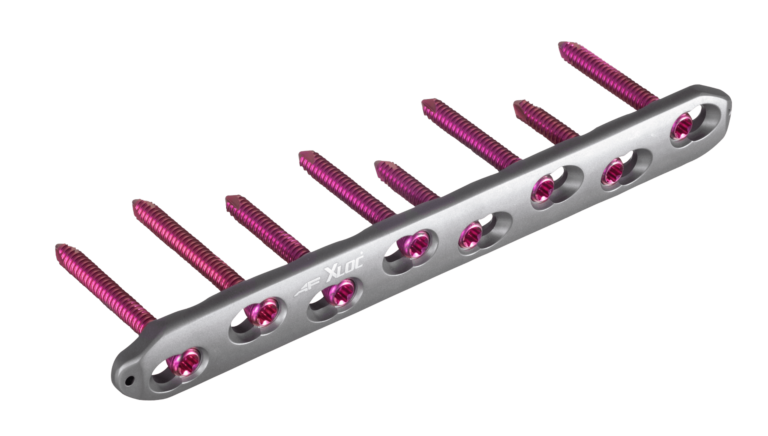
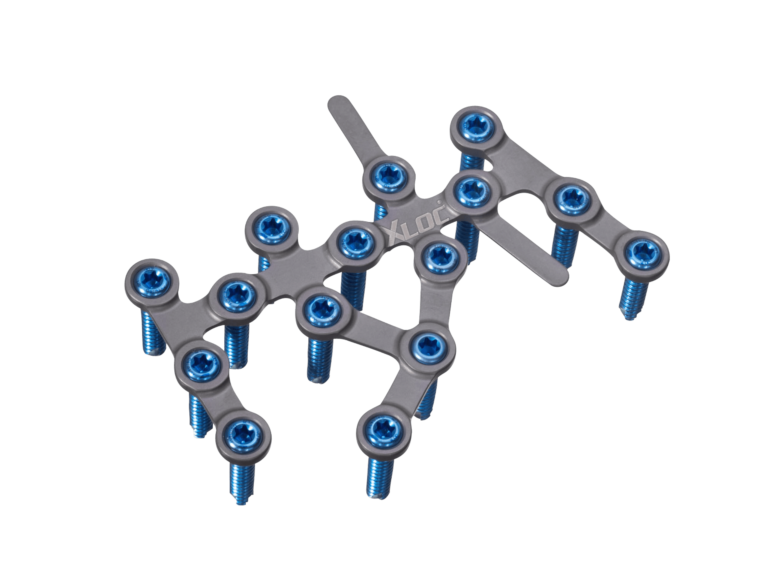
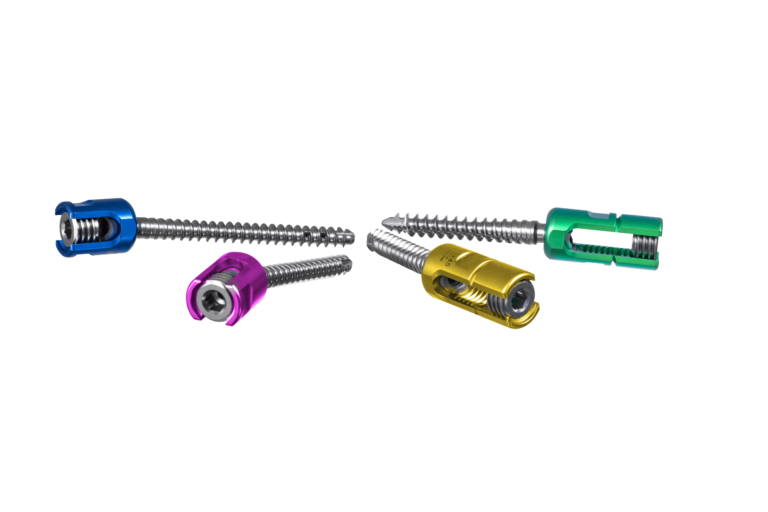
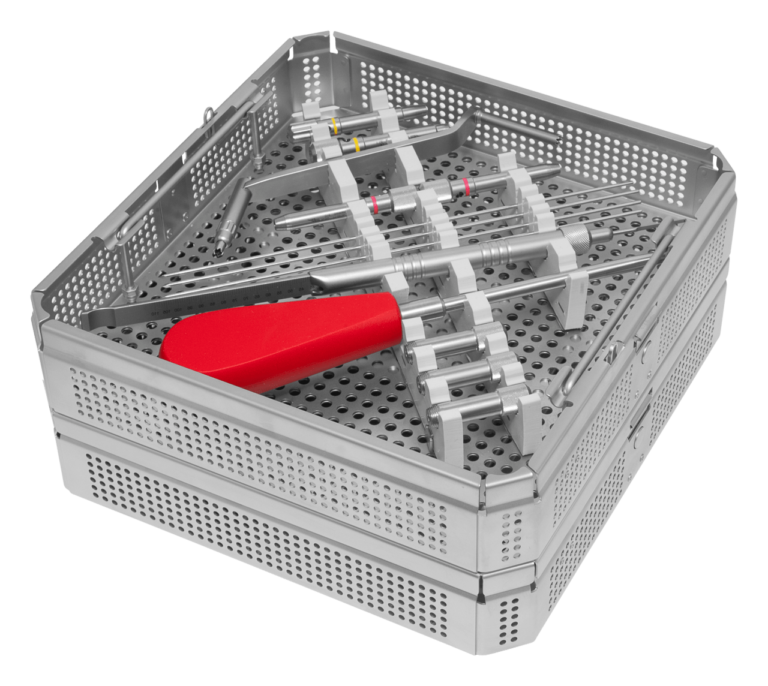
In addition to minimally invasive options, fusion surgery remains common for stabilizing the spine. This technique involves grafting bone to encourage healing and stability. Surgeons utilize specialized tools during this intricate procedure. However, the recovery process can be long, and some patients may experience complications.
Another emerging technique is robotic-assisted surgery. Though promising, it requires careful consideration. Robotic systems enhance precision in surgery, but they do not eliminate risks. It’s essential for patients to discuss these options with their healthcare provider thoroughly. Understanding the potential risks and rewards can lead to more informed decisions.
10 Best Spinal Surgery Techniques You Should Know
This chart displays the popularity of various spinal surgery techniques based on recent data. The techniques listed are essential for understanding advancements in spinal health care.
Minimally Invasive Spine Surgery: Benefits and Success Rates
Minimally invasive spine surgery (MISS) has gained significant attention in recent years. This technique provides a promising alternative to traditional open surgery. For many patients, the benefits of MISS include reduced pain, shorter recovery times, and minimal scarring. According to a study published in the Journal of Spinal Disorders & Techniques, patients experienced a 60% reduction in postoperative pain when treated with MISS.
Success rates for minimally invasive procedures are encouraging. Recent data from the American Academy of Orthopaedic Surgeons indicates that 90% of patients experience substantial relief from symptoms after spine surgery. Complications are also less frequent. A review from the Spine Journal highlighted a complication rate of only 2% in minimally invasive approaches, compared to rates as high as 10% with open techniques.
Despite the advancements, not all patients qualify for MISS. Factors like the complexity of the condition play a crucial role. Some surgeons express concerns about the learning curve associated with these techniques. Moreover, while many enjoy favorable outcomes, not every patient experiences complete relief. Understanding the subtleties of each case is essential for optimal results.
Comparison of Open vs. Minimally Invasive Techniques in Spinal Procedures
When considering spinal surgery, one of the critical choices is between open and minimally invasive techniques. Open surgery involves large incisions and greater disruption to the surrounding tissue. Recovery can take longer, and there may be more complications involved. Patients commonly face a longer hospital stay and a more extended rehabilitation period.
In contrast, minimally invasive techniques are gaining popularity. These methods utilize smaller incisions, leading to reduced tissue damage. Patients often experience less pain and a quicker recovery. Most importantly, minimally invasive surgery can minimize blood loss during the procedure. Some patients can return to normal activities sooner than they might after open surgery.
Tips: Always discuss your options with a qualified surgeon. Understanding the risks and benefits of each technique is crucial. Ask about the surgeon’s experience with the specific technique. Research shows that patient outcomes can vary widely based on expertise. Also, consider your overall health and specific spinal condition. Every case is unique, and personal factors will significantly influence the best choice for surgery.
Cutting-Edge Robotic Assistance in Spinal Surgeries
Robotic assistance is transforming spinal surgeries. Surgeons can now utilize advanced robots to enhance precision. These machines help in stabilizing instruments during procedures. As a result, surgeons achieve greater accuracy in delicate operations. This technology minimizes the risk of human error, an essential factor in spinal care.
The integration of robotics offers various benefits. It allows for smaller incisions, leading to shorter recovery times. Patients often experience less pain and less scarring. However, reliance on technology raises questions. Surgeons must still maintain their skills. Training is essential to balance human expertise with robotic assistance. A purely robotic approach may overlook the intuitive decision-making that comes from experience.
Healthcare professionals must evaluate their comfort with robotics. Each surgery presents unique challenges. Some may find it hard to trust a machine completely. Emphasizing collaboration between surgeon and technology can yield the best outcomes. Ongoing education and practice remain crucial in navigating this evolving landscape. Balancing tradition and innovation is key to future spinal surgery advancements.
Outcome Statistics for Different Spinal Surgery Techniques and Their Efficacy
When considering spinal surgery techniques, it is crucial to examine their efficacy based on outcome statistics. Different methods vary significantly in their success rates. For instance, traditional open surgery often shows a high rate of complication, around 18%. Conversely, minimally invasive techniques present lower complication rates, closer to 7%. However, patient selection plays a pivotal role in these statistics. Not all patients respond equally, leading to a potential gap between reported efficacy and real-world results.
Research indicates that outcomes can also depend on the type of spinal disorder treated. Fusion surgeries, while effective for certain conditions, may lead to long-term complications, such as adjacent segment disease. This situation often demands further surgeries down the line, raising questions about the overall value of the initial procedure. Furthermore, while laser surgery is promising, it lacks extensive long-term data, which makes its overall reliability uncertain. Therefore, patients and doctors must weigh these factors critically before proceeding with any surgical intervention.