Bone Fracture Treatment Tips for Quick Recovery and Relief?
Bone Fracture Treatment is a crucial aspect of recovery for countless individuals each year. According to the American Academy of Orthopaedic Surgeons, approximately 6 million fractures occur annually in the United States alone. These injuries can arise from various causes, including sports activities, falls, and accidents. Effective treatment not only alleviates pain but also promotes healing and restores functionality.
Understanding the nuances of bone fracture treatment can significantly impact recovery times. Research indicates that early intervention and proper treatment can reduce recovery time by up to 30%. Techniques such as immobilization with casts or splints are essential. However, not all fractures heal the same way; some might require surgical intervention. It's important for patients to engage actively in their recovery process.
Moreover, lifestyle factors play a role in treatment outcomes. Nutrition, physical therapy, and adherence to medical advice can enhance recovery. Yet, miscommunication or negligence regarding treatment protocols can lead to complications. Recognizing these challenges is essential for optimizing bone fracture treatment and ensuring a smoother path to recovery.
Bone Fracture Overview: Types and Causes of Fractures
Bone fractures are common injuries that can occur due to various causes. Falls, accidents, or sports injuries often lead to fractures. Understanding the different types of fractures is essential for effective treatment. There are simple fractures that heal quickly, and compound fractures that require more complex care. Identifying the type of fracture helps in tailoring the right recovery plan.
Proper diagnosis is crucial. X-rays or MRI scans often aid in determining the severity of the fracture. Once diagnosed, treatment typically involves immobilization with a cast. This protects the bone while it heals but may also lead to stiffness. Engaging in gentle movements can aid in recovery. It’s important to heed your body’s signals; pushing too hard can worsen the condition.
Diet and nutrition play a significant role in healing. A balanced diet rich in calcium and vitamin D supports bone health. Hydration is equally important. After a fracture, some might overlook these elements, prioritizing quick fixes instead. Listening to professionals and taking suggestions seriously can ensure a smoother recovery process.
Bone Fracture Treatment Tips for Quick Recovery and Relief
This chart illustrates the recommended treatment durations in days for different methods of managing bone fractures, emphasizing the importance of a comprehensive approach for quick recovery and relief.
Understanding the Bone Healing Process: Stages and Timeline
Bone healing is a complex process that occurs in various stages. Understanding these stages can significantly impact recovery. The first stage is inflammation, which begins immediately after a fracture. Blood clots form around the break, resulting in swelling. This step is crucial as it provides a healing foundation.
Next is the repair phase, where new bone begins to form. This stage can take several weeks. During this time, it's important to keep the affected area stable. Avoid unnecessary movement to prevent re-injury. Simple tips like using ice and taking prescribed pain medications can ease discomfort.
Finally, the remodeling stage involves the gradual reorganization of the bone structure. This process can take months. Patience is essential during this time. Engaging in light, doctor-approved physical therapy may assist in regaining strength. Remember, every fracture heals differently, and listening to your body's signals is vital. Seek professional advice for personalized recovery strategies.
Recommended Treatment Options: Surgical vs. Non-Surgical Approaches
When facing a bone fracture, choosing between surgical and non-surgical treatment options requires careful consideration of various factors. According to a report by the American Academy of Orthopaedic Surgeons, approximately 75% of fractures heal successfully with non-surgical methods. These methods typically involve immobilization with casts or splints and allow for natural healing. Non-surgical options can lead to quicker recovery times for certain fractures, as they reduce the risks associated with surgery.
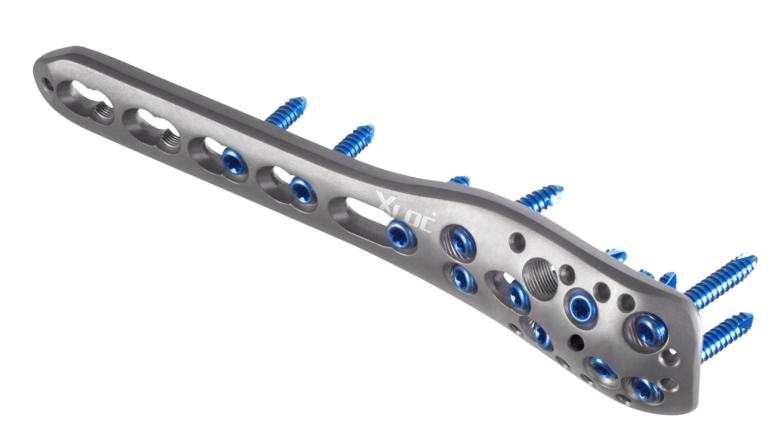
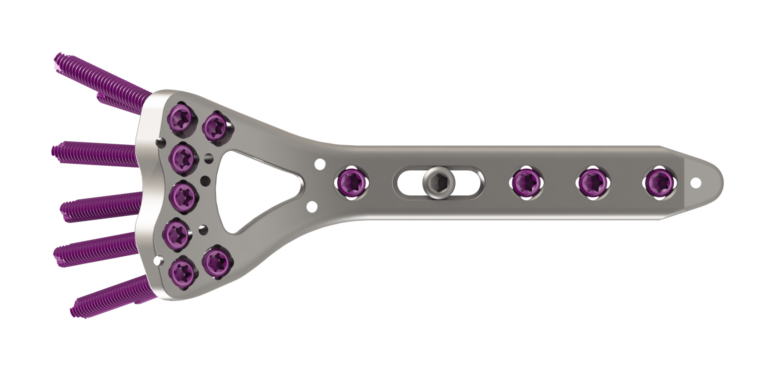
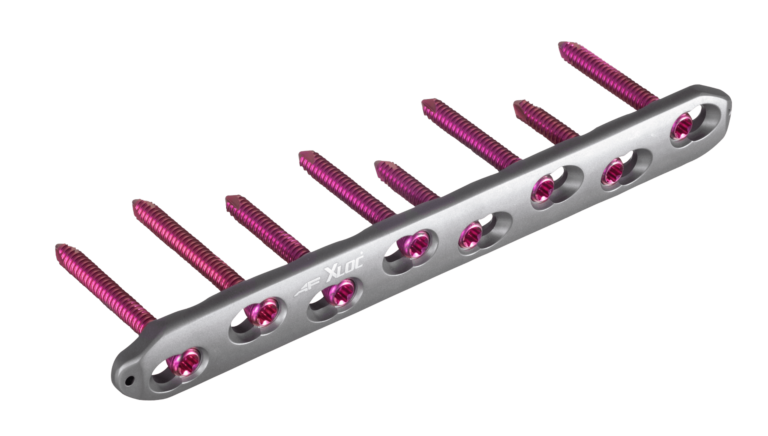
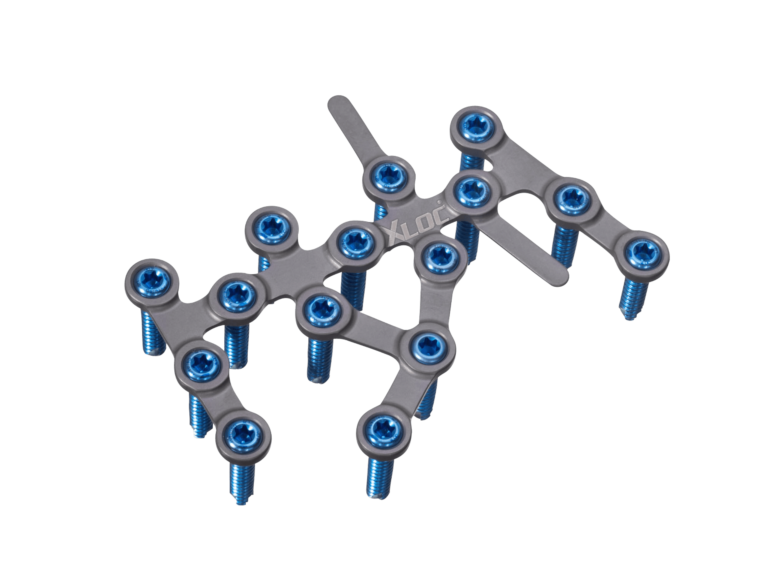
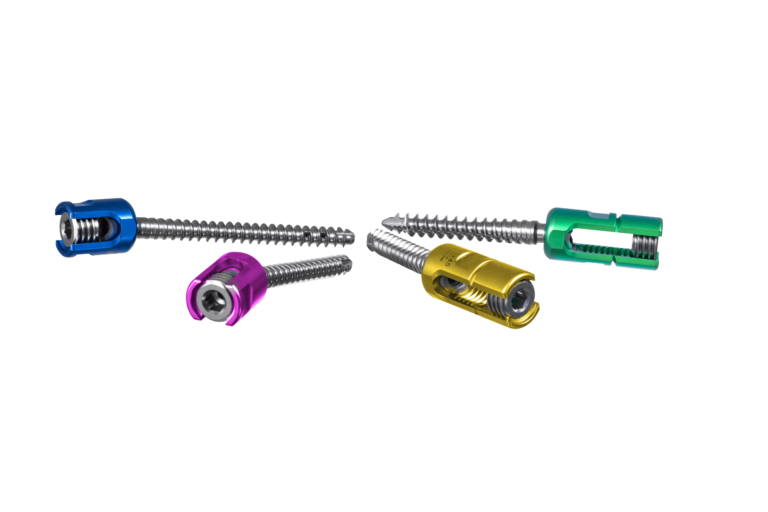
Surgical approaches may be necessary for complex fractures or when bones are misaligned. Surgical methods include internal fixation with plates or rods, which can stabilize the bone effectively. A study published in the Journal of Orthopaedic Research indicates that surgical patients often experience quicker mobility post-surgery but may face a longer overall recovery period due to rehabilitation needs. Each case is unique; hence, consulting with a medical professional is vital to determining the best course of action.
A few tips can enhance recovery, regardless of the treatment chosen. Prioritize rest and apply ice periodically to reduce swelling. Engage in light physical therapy exercises as advised to improve mobility without straining the injury. Maintaining a balanced diet rich in calcium and vitamin D supports bone healing. Always listen to your body and adhere to the recovery plan detailed by your healthcare provider.
Nutrition for Recovery: Essential Vitamins and Minerals for Healing
Nutrition plays a crucial role in bone fracture recovery. Certain vitamins and minerals can significantly enhance the healing process. For instance, calcium is essential for building strong bones. Foods rich in calcium include leafy greens, dairy products, and almonds. Consuming these can help speed up your recovery.
Vitamin D is also vital. It aids calcium absorption. Spending time in sunlight can boost your Vitamin D levels. Additionally, fatty fish and fortified foods are good sources. It's not only about what you eat, but also ensuring you get these nutrients consistently.
Magnesium and zinc are often overlooked. Magnesium supports bone structure, while zinc promotes tissue repair. Nuts, seeds, and whole grains are excellent for both. However, balancing these nutrients is key. Too much of one may inhibit the absorption of another. Reflect on your diet choices. Are you getting a variety of these essential nutrients? Small dietary adjustments can lead to significant benefits for healing fractures.
Rehabilitation Strategies: Exercises and Therapy for Quick Recovery
Rehabilitation after a bone fracture is crucial for a smooth recovery. Research indicates that early movement can enhance healing. For adults, engaging in light exercises often helps prevent stiffness. A study published in the Journal of Bone and Joint Surgery shows that patients who start gentle physical therapy within two weeks of surgery see significant improvements in mobility and pain levels.
Incorporating simple exercises like ankle pumps or gentle range-of-motion movements promotes blood flow. This is vital for tissue repair. Strength training can begin gradually, tailored to individual capabilities. For example, bodyweight exercises such as wall sits can be effective. According to the American Physical Therapy Association, adherence to an exercise plan improves long-term outcomes. However, it's essential to listen to your body to avoid overexertion.
Therapy sessions can be beneficial too. Physiotherapists provide personalized guidance and support. They can assist in modifying exercises according to recovery stages. Some patients may struggle with motivation or fear of re-injury, which is natural. Addressing these feelings openly during therapy can lead to a more positive outlook. Engaging in group therapy may also help alleviate feelings of isolation, allowing for shared experiences and encouragement among peers.
Bone Fracture Treatment Tips for Quick Recovery and Relief
| Treatment Method |
Description |
Recommended Duration |
Effectiveness Rating |
| Rest and Immobilization |
Keeping the injured area immobilized to prevent movement and promote healing. |
4-6 weeks |
High |
| Physical Therapy |
Guided exercises to regain mobility and strengthen the affected area. |
6-8 weeks |
Very High |
| Medication |
Pain relief medications and anti-inflammatories to reduce pain and swelling. |
As needed |
Moderate |
| Nutrition |
Eating a balanced diet rich in calcium and vitamin D for bone health. |
Ongoing |
High |
| Cold Therapy |
Applying ice to reduce swelling and numb pain in the initial stages. |
First 48 hours |
Very High |