Orthopedic Implants Manufacturer

China Top 10 Bone Fracture Treatment Manufacturers

Choosing a supplier for Bone Fracture Treatment products requires more than comparing prices. Hospitals need implants and instruments that perform reliably under demanding clinical conditions. This introduction reviews China’s top ten bone fracture treatment manufacturers through a practical, evidence-based lens. It considers product range, manufacturing experience, quality systems, and technical support.

Details matter. A surgeon may depend on a precisely shaped plate, a stable locking screw, or a clearly labeled instrument tray. Therefore, the review examines orthopedic plates, intramedullary nails, screws, external fixation systems, and related surgical tools. It also considers material selection, machining accuracy, sterilization compatibility, and traceability. Relevant certifications and regulatory documentation receive close attention. So does post-sale service.

A strong supplier should explain its testing process, not only display a polished brochure. Manufacturing capacity is useful, but consistent quality matters more. No ranking is perfect. Market position can change. Some companies may have limited public information, which deserves careful verification. Buyers should request current certificates, inspection records, product specifications, and clinical or distributor references before making decisions. Factory audits can reveal details that websites often miss. This guide is designed to support informed supplier screening, not replace medical or regulatory judgment. It highlights manufacturers with notable capabilities while recognizing that hospital needs differ by procedure, patient population, and local requirements. Practical evidence should lead every final choice.
China Top 10 Bone Fracture Treatment Manufacturers

Definition and Scope of Bone Fracture Treatment Manufacturers in China

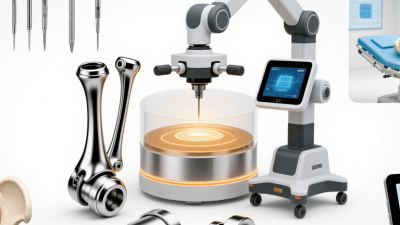
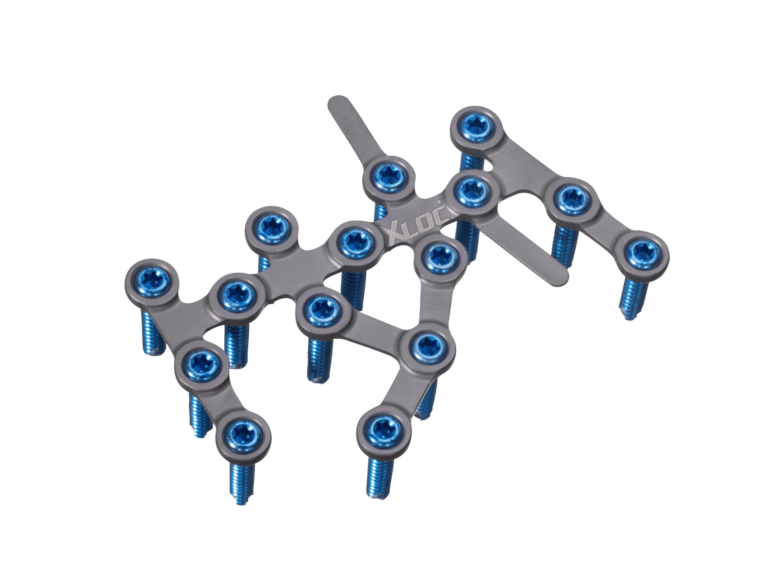
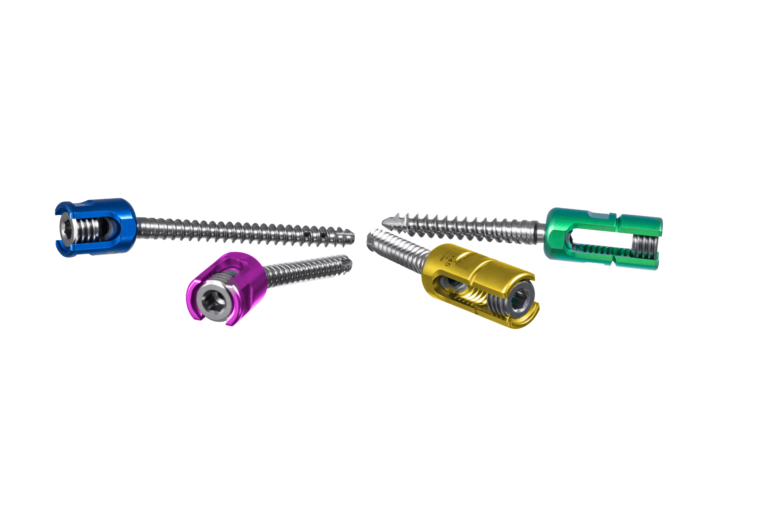
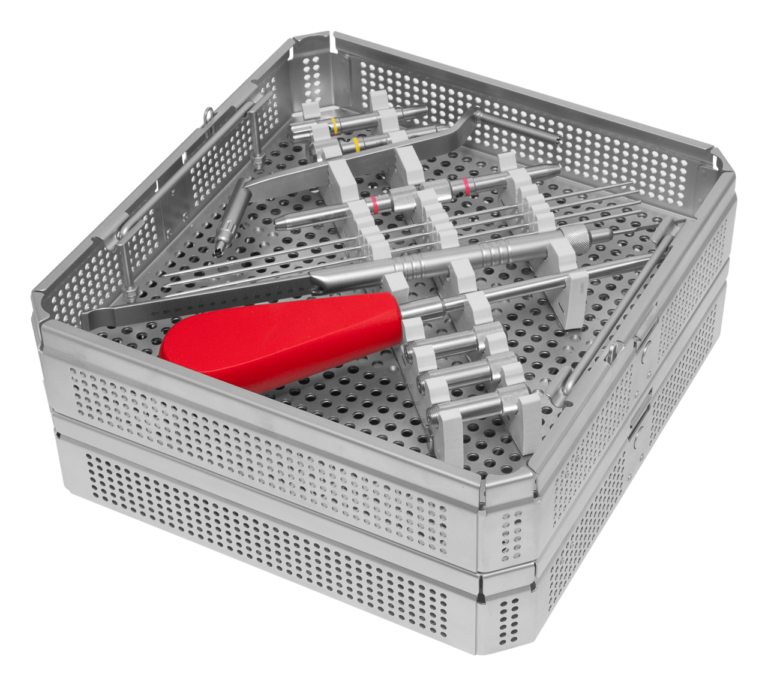
China’s bone fracture treatment manufacturers are companies that design, produce, and quality-control products used to repair or support broken bones. Their scope includes internal fixation plates, screws, intramedullary nails, external fixators, bone graft substitutes, casts, braces, and surgical instruments. Some also develop digital planning systems and patient-specific guides.

A genuine manufacturer should control key stages, from material selection to final packaging. In a factory, this may involve titanium inspection, precision machining, surface treatment, cleaning, and batch traceability. Engineers test strength, fatigue resistance, corrosion behavior, and fit. Quality teams review production records and risk controls. Clinical specialists may provide feedback on handling, surgical access, and recovery needs.

The boundary is not perfectly clean. Some companies mainly assemble products, while others outsource production and focus on distribution. A polished catalogue does not prove manufacturing depth. Buyers should examine facility capabilities, technical documentation, quality certifications, regulatory registration, and post-market reporting. These details reveal more than promotional language.

The field also covers research-oriented manufacturers developing absorbable materials, navigation tools, and improved fixation systems. Their value depends on evidence, not novelty alone. A lighter implant may reduce surgical burden, yet it must still maintain stability under repeated loading. Real-world outcomes can differ from laboratory results. That gap deserves careful review.

Key Products and Technologies Used in Fracture Care

China’s top bone fracture treatment manufacturers increasingly focus on fixation systems, trauma implants, and digital surgical tools. The Global Burden of Disease 2019 analysis reported about 178 million new fractures worldwide that year. This scale supports demand for reliable plates, intramedullary nails, screws, external fixators, and spinal devices.

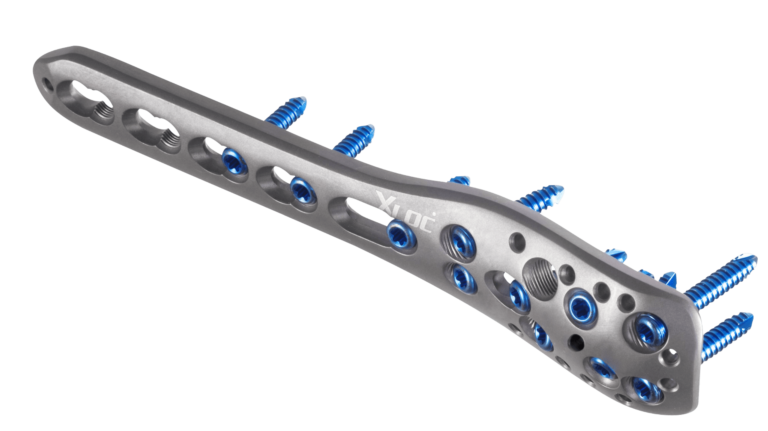
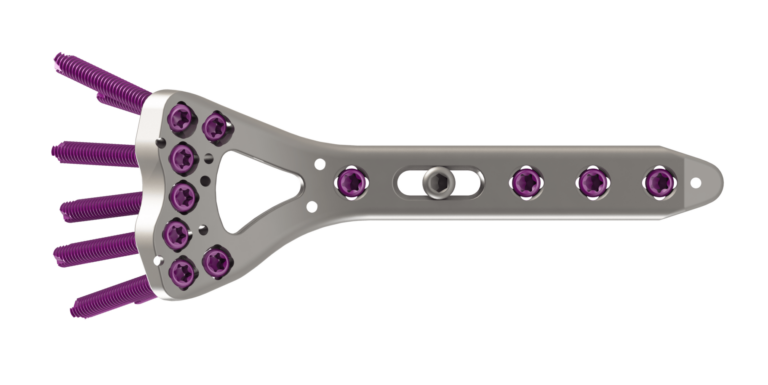
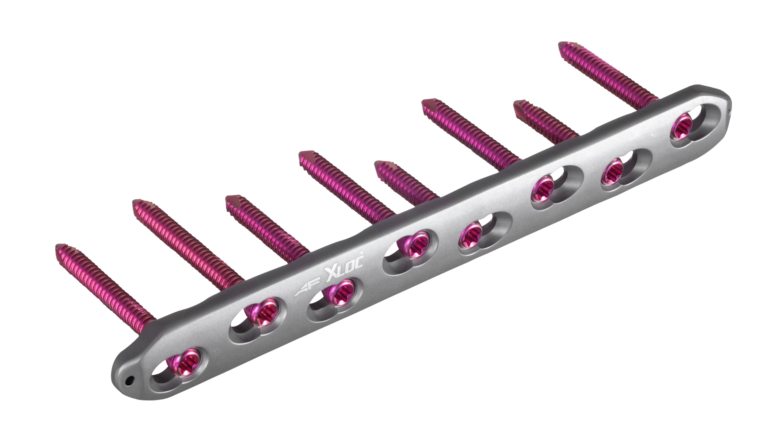
Modern fracture care depends on material science and surgical precision. Titanium alloys offer strength, corrosion resistance, and lighter implants. Locking plates can stabilize fragile bone through fixed-angle screw connections. Intramedullary nails support long-bone alignment while limiting soft-tissue disruption.

Three-dimensional planning, navigation, and patient-specific instruments can improve preoperative accuracy. Small details matter, such as screw trajectory and implant contour.

Clinical judgment remains essential. No implant is universally best. The AAOS and other professional guidelines stress patient factors, fracture pattern, and evidence quality. Digital workflows may reduce errors, but they do not replace experienced surgeons. Evidence is uneven. That deserves attention. Manufacturers should provide traceability, fatigue testing, sterilization validation, and transparent clinical data. The 2022 OECD health data report also highlights persistent differences in surgical capacity across countries, reminding buyers that training and after-sales support influence outcomes. Product performance alone cannot guarantee recovery.

Selection Criteria for China’s Leading Treatment Manufacturers

China Top 10 Bone Fracture Treatment Manufacturers

Selection Criteria for China’s Leading Treatment Manufacturers

Selecting leading bone fracture treatment manufacturers requires more than comparing product catalogs. A reliable evaluation begins with documented quality systems, such as ISO 13485 certification and traceable production records. Reviewers should examine material certificates, sterilization controls, packaging tests, and batch-level inspection reports. These details matter when a plate, screw, or fixation instrument enters a demanding clinical environment.

Clinical experience also deserves careful attention. Manufacturers should provide evidence from hospitals, published studies, or controlled post-market monitoring. Feedback from orthopedic surgeons can reveal practical issues, including difficult screw placement, poor instrument balance, or unclear surgical instructions. Product development teams with engineering and clinical backgrounds usually respond more effectively to these concerns. They should explain design choices in plain language, not hide behind technical terms.

Regulatory readiness separates serious suppliers from attractive but uncertain options. Check registration documents, risk assessments, labeling accuracy, and export compliance for the target market. A capable manufacturer should maintain complaint records, corrective-action procedures, and responsive technical support. Ask how quickly replacement instruments can be supplied. Ask harder questions, too.

A polished showroom proves little. Independent audits, factory visits, and sample inspections can expose gaps between written procedures and daily work. No checklist is perfect. Delivery history, staff training, and communication quality often reveal reliability over time. Price still matters, but unusually low pricing may reflect thinner testing, weaker service, or inconsistent raw materials.

China Top 10 Bone Fracture Treatment Manufacturers - Selection Criteria for China’s Leading Treatment Manufacturers

Evidence-based evaluation framework for orthopedic trauma implant and fracture-treatment product manufacturers

No. Selection Criterion Recommended Weight Evidence to Verify Benchmark for a Leading Manufacturer Why It Matters in Bone Fracture Treatment
1 Quality Management System 15% Valid ISO 13485 certification, documented internal audits, corrective-action records, supplier controls, and production-process validation. Current ISO 13485 certification with a clearly defined scope covering orthopedic implants and instruments. Consistent quality controls reduce manufacturing variation and help ensure that implants meet their approved specifications.
2 Regulatory Compliance and Market Access 14% Applicable Chinese registration documentation, export-market approvals, technical files, post-market surveillance procedures, and recall processes. Documented compliance with the requirements of each target market, supported by traceable regulatory records. Regulatory readiness supports lawful distribution, transparent product claims, and safer use in hospitals and clinical settings.
3 Material Selection and Biocompatibility 12% Material certificates, chemical-composition controls, biocompatibility evaluations, and testing aligned with ISO 10993 where applicable. Use of qualified implant materials such as titanium alloys, cobalt-chromium alloys, stainless steel, or validated polymer systems with full traceability. Appropriate materials help manage corrosion, wear, tissue response, mechanical performance, and long-term implant reliability.
4 Mechanical Testing and Design Validation 12% Fatigue, static compression, bending, torsion, pull-out, locking-mechanism, and construct-level test reports, as applicable. Testing based on relevant ASTM, ISO, or recognized national standards, with documented acceptance criteria and repeatable results. Mechanical validation helps demonstrate that plates, screws, nails, and fixation systems can withstand expected surgical and physiological loads.
5 Product Portfolio for Fracture Care 10% Coverage of trauma indications, including plates, screws, intramedullary nails, external fixation, small-fragment systems, and surgical instruments. A coordinated portfolio supporting common upper-limb, lower-limb, pelvic, spinal, and small-bone fracture procedures where clinically appropriate. A complete system can improve surgical compatibility, inventory efficiency, and the availability of matching instruments and implants.
6 Manufacturing Technology and Process Capability 10% Validated CNC machining, forging, casting, additive or forming processes, surface treatment controls, cleanroom procedures where required, and process-capability data. Stable, documented production processes with calibrated equipment, controlled critical dimensions, and verified finishing and cleaning procedures. Process capability affects dimensional accuracy, screw fit, implant strength, surface quality, and operating-room usability.
7 Traceability and Risk Management 9% Lot or serial-number controls, raw-material traceability, device-history records, ISO 14971-based risk management, and complaint handling. End-to-end traceability from incoming material through production, sterilization or packaging, shipment, and post-market monitoring. Traceability enables rapid investigation, targeted corrective action, and effective management of product or patient safety issues.
8 Clinical Evidence and Technical Support 7% Clinical evaluations, published or documented performance data, surgical technique guides, training materials, and qualified technical representatives. Claims supported by appropriate clinical or technical evidence and accompanied by clear instructions for use. Reliable evidence and support help surgeons select suitable fixation strategies and reduce avoidable use or handling errors.
9 Supply Reliability and Delivery Performance 6% Production capacity, inventory policy, lead-time records, business-continuity planning, packaging controls, and export logistics capability. Consistent lead times, documented contingency plans, and secure packaging that protects sterile or non-sterile products during transport. Reliable supply is essential because fracture procedures often require specific sizes, instruments, and implant combinations without extended delays.
10 Customization, Service, and Total Cost of Ownership 5% OEM or contract-manufacturing controls, engineering support, training services, warranty terms, transparent pricing, and lifecycle cost information. Controlled customization supported by formal change management, responsive service, and pricing that reflects quality, documentation, and support requirements. Service quality and total cost influence hospital procurement, surgeon adoption, inventory management, and long-term partnership value.
Recommended evaluation method: Score each criterion from 0 to 5 based on independently verified evidence, multiply the score by the recommended weight, and compare manufacturers only after confirming that their products are approved for the intended market and clinical use.

China’s Top 10 Bone Fracture Treatment Manufacturers

China’s Top 10 Bone Fracture Treatment Manufacturers reflect a broad medical manufacturing sector. These companies typically develop fracture fixation plates, screws, intramedullary nails, external fixation systems, and surgical instruments. Their products support orthopedic procedures for the wrist, hip, ankle, shoulder, and long bones.

A reliable manufacturer should demonstrate controlled production, material traceability, and documented quality testing. Experienced teams often use titanium alloys, stainless steel, and imaging-compatible materials. These choices affect strength, corrosion resistance, and postoperative evaluation. Manufacturing facilities may include precision machining, surface treatment, cleaning, packaging, and sterilization controls. Small details matter, such as smooth screw threads and accurate plate contours.

Surgeons and hospital buyers should examine clinical evidence, regulatory documentation, complaint records, and technical support. Factory audits can reveal more than polished brochures. Ask how the manufacturer handles batch tracking, design changes, and product feedback. The ranking can change. Public information is sometimes incomplete, and product performance may vary between models. That limitation deserves attention.

Strong manufacturers also support training through surgical guides, instrument instructions, and case-based education. Their technical specialists should explain implant selection without making unrealistic promises. A dependable supplier communicates clearly about indications, contraindications, packaging integrity, and storage conditions. In practice, consistent quality matters more than impressive production figures. Recovery depends on more than hardware. It also involves surgical judgment, patient health, rehabilitation, and careful follow-up.

Industry Trends and Quality Standards in China’s Fracture Care Market

China Top 10 Bone Fracture Treatment Manufacturers

China’s fracture-care market is moving toward evidence, traceability, and faster recovery. The World Health Organization’s Global Status Report on Road Safety 2023 estimates 20–50 million nonfatal road injuries worldwide each year. Many involve fractures. China’s growing elderly population adds pressure from hip and wrist injuries. NHC health statistics also show more than 300 million hospital discharges in 2022, indicating a large clinical demand.

Quality now begins before surgery. Manufacturers must follow NMPA medical-device manufacturing requirements and maintain documented risk controls. Biocompatibility testing should align with GB/T 16886 standards. Orthopedic implants also require material verification, fatigue testing, sterilization validation, and batch-level traceability. ISO 13485-based quality systems remain useful for supplier evaluation. In practice, hospitals should examine clinical evidence, packaging integrity, instrument compatibility, and surgeon training. A polished certificate is not enough. Evidence can still be uneven.

Tips: Ask for recent test reports, implant retrieval data, and adverse-event records. Check whether each product has a clear lot number and recall procedure. Compare the full treatment cost, not only the purchase price. A cheaper implant may create hidden follow-up costs. Local technical support matters, especially during complex trauma cases. Surgeons should also review fit, fixation strength, and postoperative rehabilitation guidance before selecting suppliers.