Joint Stabilization Tips for Enhanced Performance and Safety
Joint stabilization is crucial for anyone involved in physical activities. It ensures safety and enhances overall performance. Proper techniques can significantly reduce the risk of injuries. Many athletes face joint issues that can hinder their success. Understanding joint stabilization can empower individuals to prevent these setbacks.
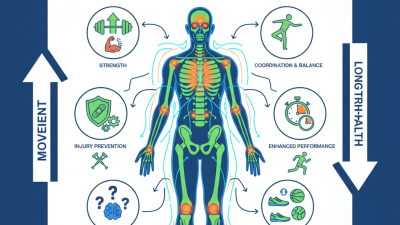
Experts recommend various strategies for effective joint stabilization. Engaging in strength training is one key method. Strong muscles support joints, providing stability during movement. Flexibility is equally important. Stretching can improve the range of motion, promoting better joint health. Balance exercises also play a significant role. They enhance coordination and stability, which are vital during physical exertion.
However, it’s important to remember that not everyone achieves perfect stabilization. Many struggle with maintaining proper techniques over time. Mistakes happen, leading to discomfort or injury. Reflecting on these challenges is essential for growth and improvement. By prioritizing joint stabilization, individuals can work towards safer and more effective performance in their activities.

Understanding Joint Stabilization and Its Importance
Understanding joint stabilization is crucial for athletes and active individuals. Joint stability affects performance and reduces injury risk. According to the American Academy of Orthopaedic Surgeons, nearly 25% of athletes experience joint injuries each year. Proper stabilization can help mitigate these statistics.
One effective way to enhance joint stability is through targeted strength training. Research from the Journal of Sports Sciences indicates that strengthening the muscles around a joint improves stability by up to 30%. This approach relies on consistent training and proper techniques. Moreover, incorporating balance exercises can further enhance stability, yet many overlook this key component in their routines.
Inadequate attention to joint stabilization can lead to severe long-term consequences. A study published by the National Center for Biotechnology Information found that improper joint support can double the likelihood of chronic injuries. Athletes often push limits, neglecting their joint health. This oversight can result in missed seasons and career setbacks. Awareness and education on joint stabilization must be prioritized in athletic training programs.
Common Joint Issues and Their Impact on Performance
Joint health plays a vital role in athletic performance. Common issues like arthritis, tendonitis, and ligament injuries can significantly affect how an athlete performs. According to the American College of Sports Medicine, around 30% of athletes report joint-related pain or injury during their careers. This pain can lead to decreased mobility and increased recovery times, hindering overall performance.
One prominent report by the National Institutes of Health indicates that joint injuries can increase the risk of developing chronic conditions, such as osteoarthritis. This condition not only causes pain but can also reduce range of motion, further impacting athletic abilities. A study published in the Journal of Strength and Conditioning Research found that athletes with previous joint injuries had performance deficits, particularly in strength and agility. Recovery strategies are crucial. Regular assessments and tailored exercise regimens can help mitigate risks and enhance joint stability.
Maintaining joint health is a continuous effort. Athletes often overlook minor pain, thinking it will resolve itself. Ignoring early signs can lead to more significant issues down the line. Engaging in preventive measures, such as proper stretching and strengthening, is essential to sustain long-term performance. The nuances of joint health management require consistent attention and reflection on one’s routine and physical feedback.
Techniques for Enhancing Joint Stability During Activities
Maintaining joint stability is crucial during any physical activity. Focus on doing proper warm-up exercises before engaging in sports. Dynamic stretches can enhance blood flow and prepare muscles. For example, knee hugs and arm circles are excellent ways to loosen up. These simple movements reduce the risk of injury.
Another technique is to strengthen the muscles around your joints. Incorporate resistance training into your routine. This can be done using body weight, resistance bands, or weights. By increasing muscle strength, you provide better support for your joints. However, it’s important not to overdo it. Listen to your body and avoid pushing through pain.
Also, consider balance training as part of your regimen. Activities like yoga or Pilates can help improve stability. Practicing single-leg stands or using a wobble board boosts your proprioception. This awareness of joint position enhances performance and reduces fall risk. Remember, every athlete faces challenges. Reflecting on your weaknesses can lead to growth and better stability strategies.
Incorporating Strengthening Exercises for Joint Support
Joint stability plays a crucial role in overall athletic performance and daily activities. Strengthening exercises can significantly enhance joint support, reducing injury risk. According to a report by the American College of Sports Medicine, nearly 30% of sports injuries stem from weak stabilizing muscles. Enhancing muscle strength around joints can lead to better mechanics and control during movement.
Incorporating exercises like squats, lunges, and resistance training specifically targets the muscles surrounding major joints. Research published in the Journal of Orthopaedic and Sports Physical Therapy indicates that strength training can improve joint stability by nearly 20%. This increase in muscle strength helps maintain proper alignment, diminishing the likelihood of dislocations or strains. It is crucial to focus on form during these exercises. Improper technique can lead to injuries rather than prevent them.
Regular assessment of one’s strength and stability is essential. Individuals might find that certain movements are challenging, revealing areas that need improvement. Experimenting with different exercises and adjusting routines based on individual needs can be beneficial. Keeping a journal to track progress can also promote accountability and motivation. Ultimately, building joint support requires patience and consistency, as well as a willingness to adapt to feedback from the body.
Joint Stability Improvement Through Strengthening Exercises
Safety Precautions for Joint Health in Sports and Daily Life
Maintaining joint health is crucial for both athletes and those engaged in daily activities. A study by the American Academy of Orthopaedic Surgeons found that about 25% of adults experience joint pain. This highlights the importance of taking proactive measures to protect joints. Regular exercise can significantly strengthen the muscles around joints, reducing the risk of injuries. Low-impact activities such as swimming and cycling are excellent choices for enhancing joint stability without excess strain.
It’s also vital to practice proper techniques in sports and while performing daily tasks. According to the National Institutes of Health, improper lifting techniques contribute to 33% of joint injuries. Simple adjustments, like bending the knees when lifting, can mitigate stress on the joints. Additionally, maintaining a healthy weight is essential. Excess weight increases joint strain, particularly in the knees and hips.
Incorporating joint-friendly practices into your lifestyle promotes long-term joint health. This includes using supportive footwear and ensuring regular stretching. Recognizing early signs of pain or discomfort can help prevent more severe injuries. Being attentive to your body is key. Ignoring pain often leads to worsening conditions, demanding more extensive treatment later. Prioritizing joint health can enhance performance and safety, allowing individuals to engage fully in activities they love.