What Is an LED Silicone Face Mask and How Does It Work?
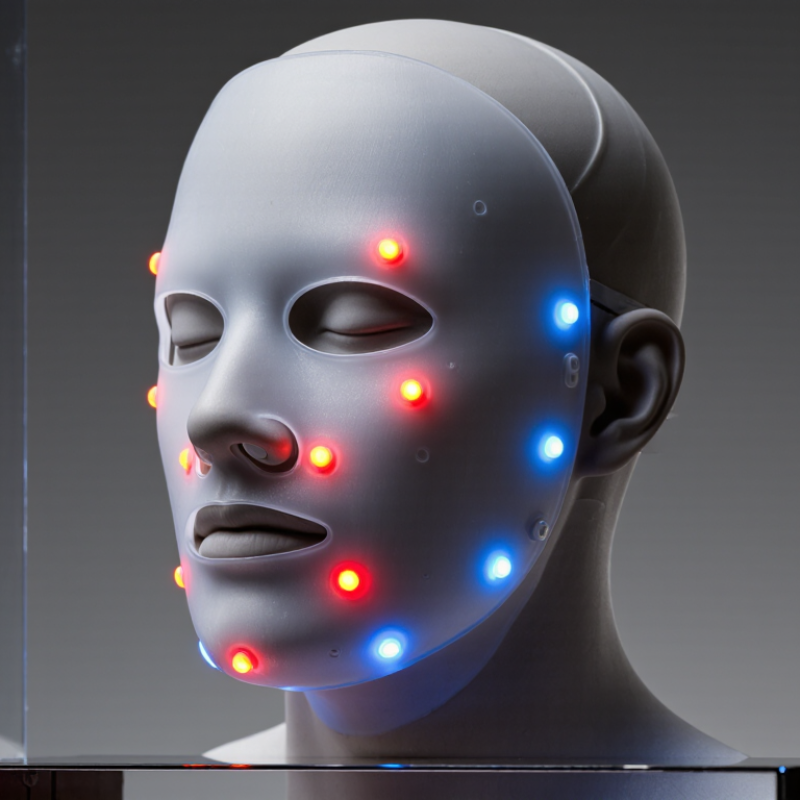
A Led Silicone Face Mask looks simple: a soft, flexible cover resting across the forehead, cheeks, nose, and chin. Beneath its silicone surface, small LEDs emit carefully selected wavelengths of light. Red and near-infrared light are commonly associated with skin-supporting routines, while blue light is often used in acne-focused devices. The mask does not scrub, inject, or peel the skin. It delivers light from a short distance.
Dermatologist Dr. Dennis Gross has described LED light therapy as “a non-invasive, pain-free, and effective treatment for acne and signs of aging.” That statement explains the appeal, but it should not become a promise. Results vary. Skin type, device quality, treatment time, and daily consistency all matter. A mask may support smoother-looking skin, yet it cannot replace sunscreen, prescribed treatment, or professional diagnosis.
The following guide examines how a Led Silicone Face Mask works, what its light wavelengths may do, and how to use it responsibly. It will also consider practical details, including fit, eye protection, charging, cleaning, and realistic treatment schedules. Some claims sound impressive. The evidence is still developing. That matters.
A warm glow is not proof of effectiveness. More sessions are not automatically better. People using photosensitizing medicines or managing eye conditions should seek medical advice before treatment. Even a comfortable mask deserves careful judgment.
What Is an LED Silicone Face Mask?
An LED silicone face mask is a flexible home-use device that sits directly over the face. Its soft silicone shell holds small light-emitting diodes near the skin. These diodes deliver visible red or blue wavelengths without ultraviolet radiation. Red light is commonly used to support collagen-related skin processes. Blue light may help reduce acne-causing bacteria on the skin’s surface.
It is not a laser.
It should not feel hot.
A 2023 systematic review in Photodermatology, Photoimmunology & Photomedicine found that controlled LED studies showed potential benefits for acne and signs of aging, but treatment methods varied widely. That detail matters. Wavelength, energy level, treatment time, and skin condition can change results. A market analysis by Grand View Research also reported continued growth in LED light therapy, reflecting rising consumer interest rather than guaranteed clinical outcomes.
In practical use, the mask should cover the cheeks, forehead, nose, and chin evenly. Clean, dry skin usually provides better contact. Many home devices recommend short sessions several times weekly. Follow the device instructions carefully. More light is not automatically better. Protective eyewear may be necessary, especially with bright blue LEDs. Photosensitivity, eye conditions, or photosensitizing medication require professional advice before use. Some results appear subtle. Personal experience can be encouraging, but it is not reliable proof for everyone.
How Does LED Light Interact With the Skin?
An LED silicone face mask delivers controlled light across the facial skin. Its flexible material helps the mask sit close to the cheeks, forehead, and jawline. Most devices use red, near-infrared, or blue light. They do not use ultraviolet light.
Red and near-infrared wavelengths can reach cells beneath the surface. Skin cells absorb this energy through light-sensitive molecules called chromophores. This process may support cellular energy production and encourage signals linked with repair. Some studies also associate red light with collagen activity and reduced visible inflammation. The effect is gradual. Not dramatic.
Blue light interacts more superficially. It may affect acne-related bacteria and oil-producing activity. However, results vary with wavelength, dose, treatment time, and skin condition. A brighter mask is not automatically better. Excess exposure can cause irritation, dryness, or temporary redness.
In practical use, clean skin allows more consistent light contact. Follow the device instructions and protect the eyes when required. People using light-sensitive medicines or managing a skin disorder should seek qualified medical advice first. The evidence is promising, but not perfectly settled. A soothing session does not prove deeper biological change. Small differences in fit, battery strength, and skin tone can also affect results. LED therapy should support, not replace, professional acne or dermatology care.
What Is an LED Silicone Face Mask and How Does It Work?
LED light interacts with the skin through wavelength-dependent absorption. Blue light is absorbed mainly near the surface, while red and near-infrared light generally reach deeper layers. The values below show representative optical penetration depths reported for human skin; actual depth varies with skin type, tissue composition, wavelength, and measurement method.
LED masks do not “push” light into the skin. Photons are absorbed by cellular and tissue chromophores, and this absorption can influence biological processes. Blue light is commonly studied for superficial skin applications, whereas red and near-infrared wavelengths are studied for effects involving deeper skin tissue.
What Are the Main Features of Silicone Mask Design?
An LED silicone face mask combines flexible silicone with low-level red or near-infrared light. The silicone body bends around the cheeks, nose, and jawline, helping LEDs stay close to the skin. That fit matters because light intensity decreases as distance increases. In practice, a mask that presses too tightly can leave red marks. A loose mask may create uneven exposure.
The main design feature is controlled light placement. Evenly spaced LED chips should cover common treatment areas, including the forehead and chin. Heat management also matters. Silicone can feel warm, so ventilation gaps and temperature controls improve comfort during a typical 10–20-minute session. The device should also use a stable strap, smooth edges, and a wipe-clean surface. Small details affect daily use more than glossy packaging.
Professional standards provide useful checks. IEC 62471 evaluates photobiological safety, including potential light risks to skin and eyes. ISO 10993 guides biological safety testing for materials touching the body. Grand View Research reported continued growth in the global LED light therapy market, supported by home-use demand, but market growth does not prove every mask works equally well. Clinical outcomes still depend on wavelength, irradiance, treatment time, and user consistency. More transparency is needed here. A manufacturer should disclose these figures clearly, rather than relying on bright photos and vague “professional” claims.