What is a Nasal Endoscopy Machine and How Does It Work?
A Nasal Endoscopy Machine is a vital tool in modern medicine. It allows healthcare providers to examine the nasal passages and sinuses in detail. This procedure is minimally invasive and provides real-time images. Patients often feel anxious about such examinations. Understanding the process helps ease these concerns.
The machine is equipped with a flexible tube and a camera. This combination offers a clear view of the nasal structures. Doctors can identify issues like blockages or infections. It is essential for accurate diagnoses. However, the technology is not without limitations. The procedure may cause discomfort, and results depend heavily on the operator's skill.
Nasal endoscopy aids in effective treatment planning. Still, some patients may need further tests. The importance of experience and expertise in performing this procedure cannot be overstated. A Nasal Endoscopy Machine, when used correctly, plays a crucial role in patient care. It’s a blend of advanced technology and skilled hands.
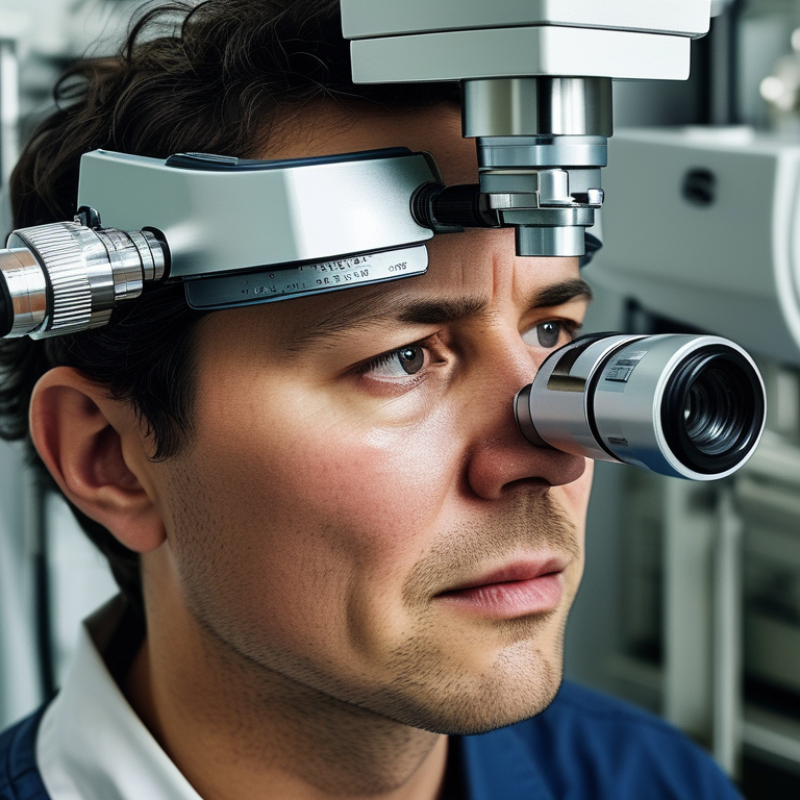
What is a Nasal Endoscopy Machine and Its Purpose in ENT Practice?
A nasal endoscopy machine plays a crucial role in ENT (ear, nose, and throat) practice. This device allows physicians to visualize the nasal passages and sinuses with exceptional clarity. According to a study published in the American Journal of Rhinology, nasal endoscopy has improved diagnostic accuracy by 90% in cases of chronic sinusitis. By providing a direct view, it enables doctors to identify abnormalities that may not be visible through external examination.
The procedure involves inserting a thin, flexible tube equipped with a light and camera into the nasal cavity. This method offers a minimally invasive alternative to more extensive surgical procedures. A report from the European Archives of Oto-Rhino-Laryngology indicates that about 70% of patients report significant relief from symptoms after endoscopic interventions. However, challenges remain. Some patients experience discomfort, and complications can occur, albeit rarely. It highlights the need for well-trained professionals to perform these procedures.
Incorporating nasal endoscopy into practice has revolutionized the way ENT specialists approach diagnosis and treatment. Yet, practitioners must continually assess their techniques and outcomes. Continuous education in this rapidly changing field is vital to improve patient care.
Overview of the Components and Technology Behind Nasal Endoscopy Machines
Nasal endoscopy machines are essential tools for ENT specialists. These devices allow doctors to visualize the nasal passages and sinuses in detail. The procedure is minimally invasive and provides valuable insights into various conditions.
A typical nasal endoscopy machine includes a flexible or rigid endoscope equipped with a high-definition camera. This camera captures real-time images, helping physicians identify abnormalities. Light sources enhance visibility, allowing clear observations of even the smallest structures. The operator controls the endoscope with precision, navigating through intricate nasal anatomy.
Despite their effectiveness, nasal endoscopes can have drawbacks. The insertion can cause discomfort for some patients. Additionally, the equipment requires regular maintenance to ensure optimal performance. While technology advances, creating better imaging capabilities, challenges such as handling and operator proficiency remain. Understanding these intricacies strengthens the practice of ENT specialists and enhances patient care.
Step-by-Step Procedure of Nasal Endoscopy: What to Expect
Nasal endoscopy is a valuable procedure for examining the nasal passages and sinuses. It involves a thin, flexible tube with a camera that is inserted into the nose. This allows the doctor to view the internal structures in detail. Many patients may feel anxious before the procedure, but knowing what to expect can help alleviate some of that stress.
During the procedure, patients typically sit upright. A local anesthetic is applied to the nasal area to minimize discomfort. The doctor will gently insert the endoscope into one nostril. As the tube moves deeper, the light illuminates the nasal passages. You may experience a slight pressure sensation, but it should not be painful. The entire process usually lasts about 10 to 15 minutes.
Tips for a more comfortable experience: Relax and breathe normally during the procedure. It can help to focus on a point in front of you, letting your mind wander. After the procedure, expect some mild nasal irritation. It's normal, but if you experience significant pain or bleeding, consult your doctor. Understanding this process can ease anxiety and lead to more effective treatment for nasal conditions.
Clinical Applications and Benefits of Nasal Endoscopy in Diagnosis
Nasal endoscopy is a valuable tool in modern medicine. It allows doctors to look deep inside the nasal passages and sinuses. This procedure can help diagnose various conditions like sinusitis, nasal polyps, and tumors. The process uses a thin tube with a camera that provides clear images to the physician.
Clinically, nasal endoscopy offers several benefits. It helps in the accurate assessment of nasal conditions. It can also guide treatment decisions. For instance, when a patient has chronic sinusitis, endoscopy may show the extent of inflammation. This insight can influence the choice between medication or surgery.
Despite its effectiveness, nasal endoscopy is not without challenges. Some patients may feel discomfort during the procedure. It requires skilled professionals to interpret the findings accurately. An incorrect diagnosis could lead to inappropriate treatment. Continuous education and hands-on experience are essential for emerging practitioners in this field.
Statistics on Nasal Pathologies Detected by Endoscopy Techniques
Nasal endoscopy is a vital tool in diagnosing nasal pathologies. Recent statistics show that this technique reveals significant findings in a high percentage of patients. A study published in the Journal of Otolaryngology found that approximately 70% of individuals examined with nasal endoscopy were diagnosed with sinusitis or other nasal conditions. This number highlights the importance of endoscopy in identifying underlying problems.
In addition, the American Academy of Otolaryngology reported that about 30% of nasal polyps are detected during endoscopic examinations. These polyps can lead to chronic sinus issues if not addressed promptly. The ability of nasal endoscopy to provide clear visualization of the nasal cavity is crucial for effective treatment planning.
However, the process is not without its challenges. Some patients may experience discomfort or anxiety during the procedure. Medical professionals must communicate effectively to ease concerns. Moreover, there remains a gap in accessing endoscopic care among certain populations. Addressing these disparities is essential for improving overall healthcare outcomes in nasal pathology diagnosis.
Nasal Pathologies Detected by Endoscopy Techniques
| Pathology | Detection Rate (%) | Common Symptoms | Treatment Options |
| Chronic Sinusitis | 90% | Nasal congestion, facial pain, decreased sense of smell | Nasal corticosteroids, saline irrigation, antibiotics |
| Nasal Polyps | 75% | Nasal obstruction, postnasal drip, loss of smell | Nasal sprays, surgery |
| Allergic Rhinitis | 85% | Sneezing, runny nose, itchy eyes | Antihistamines, corticosteroids, immunotherapy |
| Deviated Septum | 70% | Difficulty breathing, snoring, sinus infections | Surgery (septoplasty), nasal sprays |
| Nasal Tumors | 10% | Nasal obstruction, persistent bleeding, facial swelling | Surgery, radiation therapy, chemotherapy |