
Orthopedic Implants Manufacturer

What Is Orthopedic Surgery and When Is It Needed?

Orthopedic Surgery addresses disorders affecting bones, joints, muscles, ligaments, and tendons. These problems can begin with a sports injury, gradual cartilage loss, or a sudden fracture. Some are minor. Others quietly reduce walking, sleeping, or working.

The scale is substantial. The World Health Organization estimates that about 1.71 billion people worldwide live with musculoskeletal conditions. Low back pain remains the leading contributor to disability globally, according to the WHO’s 2022 musculoskeletal health report. In the United States, the American Academy of Orthopaedic Surgeons reports that musculoskeletal conditions create a major burden through pain, lost mobility, and healthcare use. These figures show the need for informed care, not automatic surgery.

Surgery is usually considered after a careful diagnosis, physical examination, and review of imaging. Nonsurgical treatment may include rehabilitation, medication, activity changes, or injections. When a broken bone is unstable, a joint is severely damaged, or nerve compression threatens function, an operation may become reasonable. Timing matters.

It is not always obvious.

Orthopedic Surgery can involve fracture fixation, ligament repair, spinal procedures, or joint replacement. Each option carries benefits, risks, recovery demands, and costs. For example, replacing a painful hip may restore movement, but rehabilitation still requires patience and daily effort. Statistics guide decisions, but they cannot predict one patient’s exact recovery. That limitation deserves honesty. This article explains what orthopedic surgery involves, when specialists may recommend it, and which questions patients should ask before consenting.

What Is Orthopedic Surgery and When Is It Needed?

What Is Orthopedic Surgery?

Orthopedic surgery is a medical specialty that repairs or replaces damaged parts of the musculoskeletal system. It addresses bones, joints, cartilage, ligaments, tendons, and related nerves. Common procedures include fracture fixation, arthroscopy, spinal decompression, and joint replacement. The aim is practical: reduce pain, restore movement, and protect function. It is not limited to athletes.

The need is usually decided after a physical examination, imaging, medical history, and suitable non-surgical care. Urgent surgery may be necessary for an unstable fracture, severe joint damage, infection, or pressure on a nerve. For slower problems, surgery is considered when pain limits sleep, work, or basic movement.

The World Health Organization’s 2022 musculoskeletal health report states that about 1.71 billion people live with these conditions worldwide.

That figure shows the scale, not a surgical target. Most affected people do not automatically need an operation.

The CDC’s 2021 National Health Interview Survey found that 20.9% of U.S. adults had chronic pain.

Pain alone, however, cannot choose the procedure. Surgeons also weigh age, bone quality, medications, rehabilitation access, and personal goals. In practice, the decision is less tidy than a textbook suggests. A scan can look alarming while daily function remains acceptable. Another patient may struggle badly with modest imaging changes.

Recovery can be slow. That part is often underestimated. A second opinion may clarify risks, alternatives, and realistic timelines before consent.

Which Conditions and Injuries Require Orthopedic Surgery?

Orthopedic surgery treats problems involving bones, joints, muscles, ligaments, tendons, and the spine. It becomes necessary when damage threatens movement, stability, nerve function, or long-term independence. The World Health Organization reports that musculoskeletal conditions affect about 1.71 billion people worldwide. Yet, many cases improve with exercise, medication, bracing, or physical therapy.

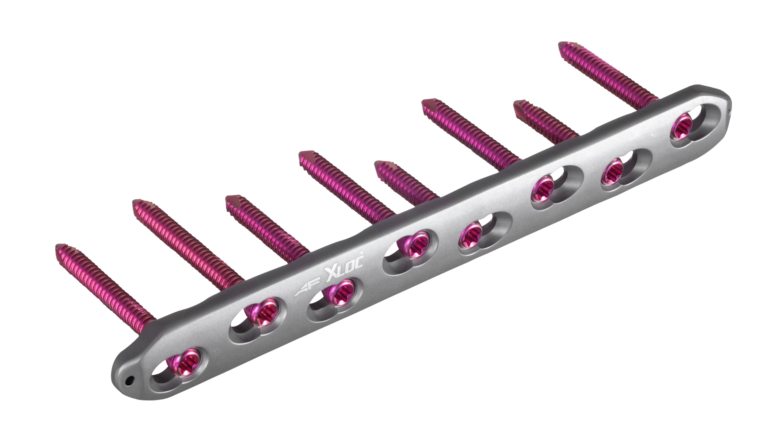
Which injuries require surgery? Displaced fractures, open fractures, and fractures that fail to heal often need fixation with plates, screws, or rods. Severe ligament or tendon tears may require repair when the joint repeatedly gives way. For example, a complete knee ligament rupture can prevent safe turning, climbing, or working. Spinal surgery may be considered for persistent nerve compression, progressive weakness, or loss of bladder control. That last symptom needs urgent medical assessment. Infection, bone tumors, and rapidly worsening joint destruction can also demand prompt treatment.

Degenerative conditions create a different decision. The Centers for Disease Control and Prevention has reported doctor-diagnosed arthritis in more than 53 million U.S. adults. However, arthritis alone does not automatically justify joint replacement. Doctors usually consider pain severity, walking ability, imaging, medical history, and response to non-surgical care. A scan can look dramatic while symptoms remain manageable. The reverse also happens. Surgery carries risks, including infection, blood clots, stiffness, and incomplete pain relief. Decisions should involve an orthopedic specialist and the patient’s daily goals, not imaging results alone.

How Are Patients Evaluated Before Orthopedic Surgery?

What Is Orthopedic Surgery and When Is It Needed?

Before orthopedic surgery, evaluation begins with the patient’s story. The surgeon asks about pain, weakness, falls, sleep, work, and daily movement. A focused examination follows. It may include joint stability, muscle strength, sensation, walking pattern, and skin condition. X-rays often show bone alignment. MRI or CT may clarify soft tissue or complex fractures. Tests should answer a clinical question, not fill a routine checklist.

The wider health picture matters just as much. The team reviews diabetes, heart disease, lung problems, kidney function, allergies, blood-thinning medicines, smoking, and previous anesthesia reactions. Frailty and nutrition may affect recovery. The World Health Organization estimates that musculoskeletal conditions affect about 1.71 billion people worldwide. That figure explains the need for careful triage, not automatic surgery (WHO, 2022). A patient’s pain may be real, yet the scan may show an unrelated age-related change.

Medication review deserves close attention. The Agency for Healthcare Research and Quality reports about 700,000 emergency visits each year from adverse drug events in the United States. Clinicians therefore check every prescription, supplement, and over-the-counter medicine. Blood tests and heart testing are selected according to risk. They are not always necessary. No assessment catches everything. A rushed consultation can miss fear, limited home support, or unrealistic recovery expectations. Shared decisions should cover likely benefits, possible complications, alternatives, and the patient’s personal goals. Rescue planning matters too. Recovery rarely follows a perfect timetable.

What Are the Main Types of Orthopedic Procedures?

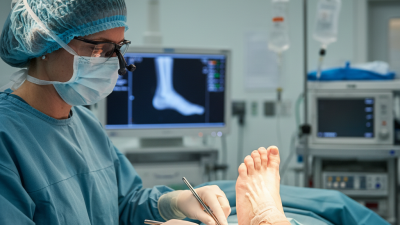
Orthopedic surgery treats problems involving bones, joints, muscles, ligaments, and tendons. The main procedure depends on the damaged structure and the patient’s daily needs. Arthroscopy uses a small camera through tiny incisions. A surgeon may repair cartilage, remove loose tissue, or reconstruct a torn ligament. Small incisions matter. They may reduce tissue damage, but recovery still requires careful rehabilitation.

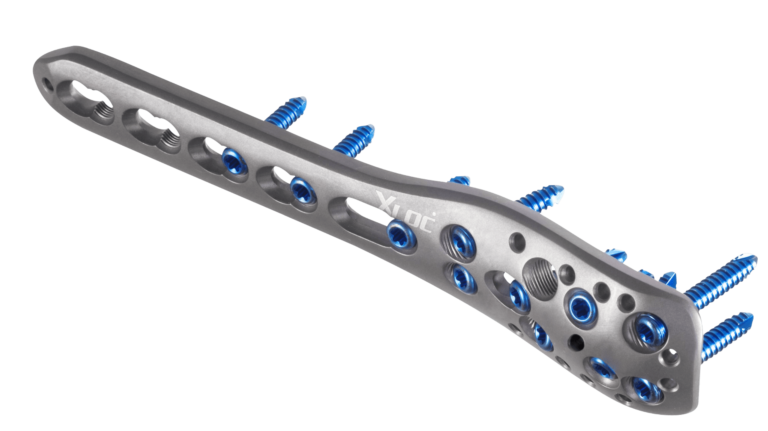
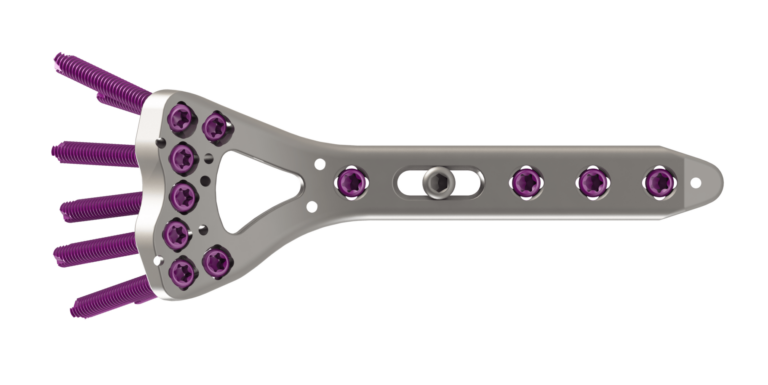
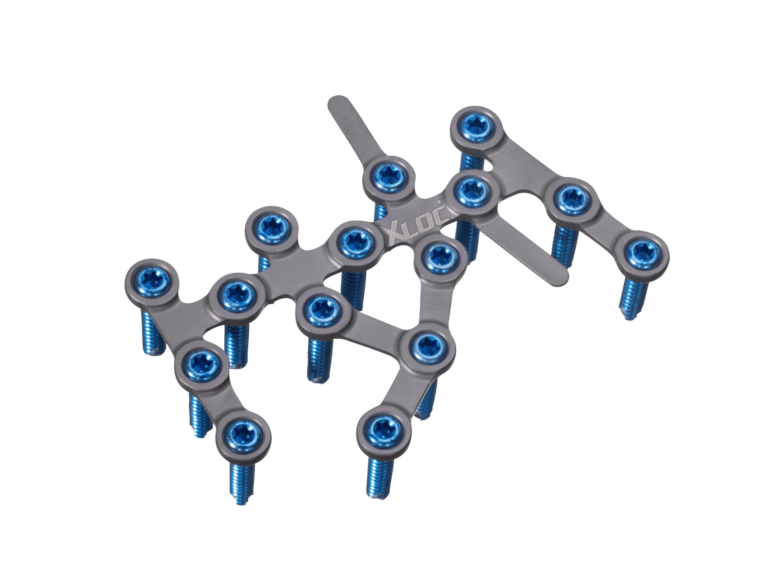
Fracture surgery restores broken bones with plates, screws, rods, or pins. Alignment is critical. These methods help bones heal in a stable position, especially after complex injuries. Joint replacement removes severely damaged surfaces and replaces them with artificial components. It may relieve persistent pain from advanced joint disease when exercise, medication, or injections no longer provide enough relief. Recovery is not instant.

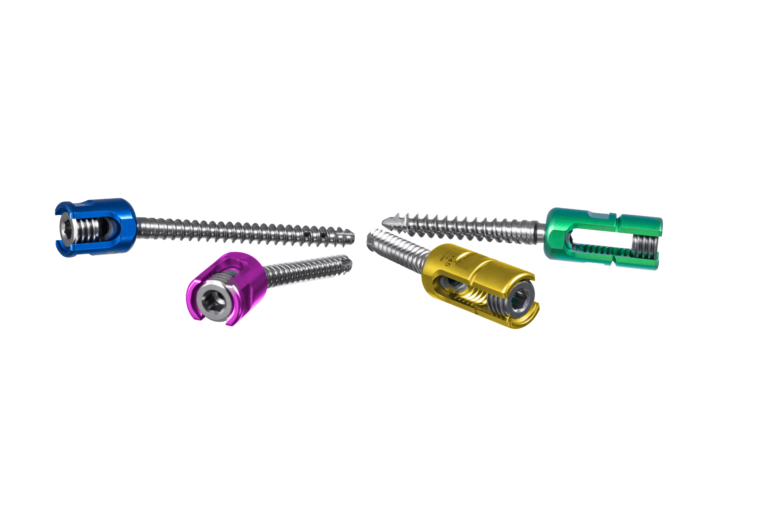
Spinal procedures can relieve pressure on nerves or stabilize damaged vertebrae. Examples include decompression and fusion, although the correct choice requires detailed imaging and examination. Soft-tissue surgery may repair torn tendons, ligaments, or muscles, such as a damaged rotator cuff. These categories overlap. In practice, surgeons often combine techniques during one operation.

A scan rarely tells the whole story. Pain levels, strength, mobility, age, health conditions, and personal goals also influence the decision. Surgery is not automatically the strongest option. Non-surgical care may remain safer or more useful for some patients, and even experienced clinicians must reconsider the plan when symptoms change.

What Is Orthopedic Surgery and When Is It Needed?

Orthopedic surgery treats disorders of the bones, joints, muscles, ligaments, tendons, and spine. It may be considered when pain, injury, deformity, or loss of function does not improve with nonsurgical care.

Estimated U.S. inpatient procedure volumes, rounded to the nearest thousand, based on national hospital-discharge procedure data reported through the Healthcare Cost and Utilization Project. Outpatient procedures are not included.

The most common procedure categories include joint replacement, spinal surgery, and surgery to repair or stabilize damaged bones. The appropriate treatment depends on the diagnosis, severity of symptoms, imaging results, overall health, and response to conservative options such as medication, physical therapy, or activity modification.

What Can Patients Expect During Recovery?

Orthopedic surgery treats problems involving bones, joints, muscles, ligaments, and tendons. It may be recommended after a fracture, severe arthritis, or a serious sports injury. The procedure can repair damaged tissue, stabilize a joint, or replace a worn joint surface. Recovery depends on the operation, the patient’s health, and the body part involved.

Patients often wake with swelling, stiffness, and soreness around the surgical site. Pain medicine, ice, elevation, and careful movement can help. A nurse may encourage deep breathing and short walks soon after surgery. Some patients use crutches, a brace, or a walker for several weeks. Follow the weight-bearing instructions closely. A small mistake can delay healing.

Physical therapy usually begins with gentle exercises. Later, therapy may include balance work, resistance bands, or stair practice. Progress is rarely perfectly steady. A stronger day may be followed by fatigue or increased swelling. That does not always signal a complication, but sudden pain, fever, wound drainage, chest pain, or severe calf swelling needs prompt medical attention. Recovery plans should be adjusted by the orthopedic surgeon and rehabilitation team, not copied from another patient’s experience. Between appointments, writing down pain levels, medication effects, and daily movement can make conversations more useful.