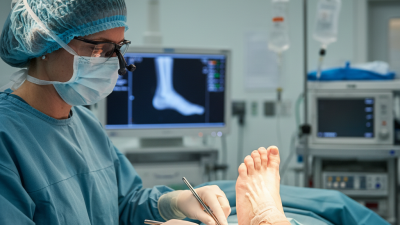
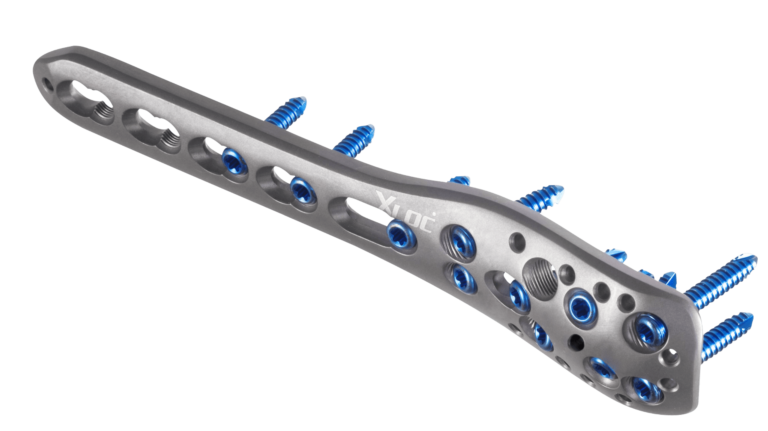
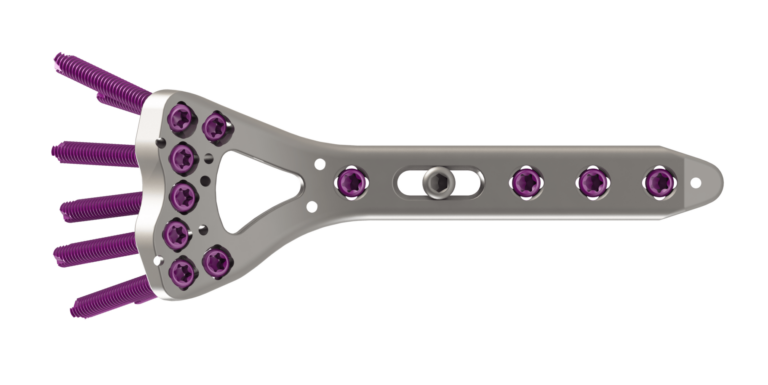
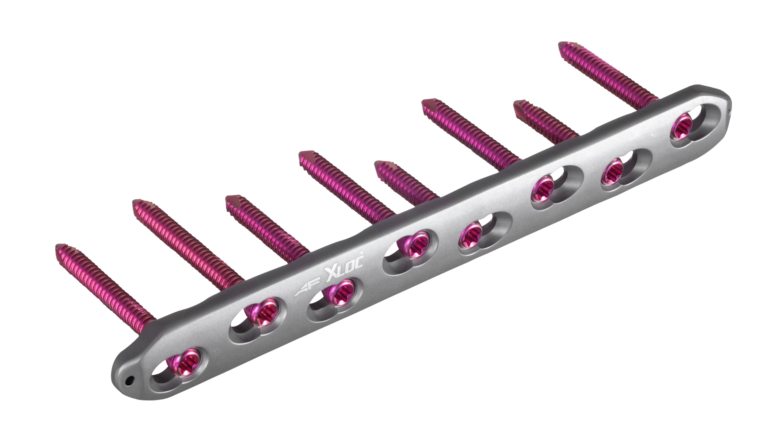
Choosing among China’s top Bone Fracture Treatment manufacturers requires more than comparing product catalogs. Hospitals need dependable implants, consistent materials, accurate machining, and clear clinical documentation. The real test appears in the operating room, where a plate must fit closely, screws must hold securely, and instruments must work without hesitation.
Professor Peter V. Giannoudis, a respected trauma and orthopedic surgeon, has emphasized, “Successful fracture care must restore function, not merely produce an acceptable X-ray.” This principle gives the market a useful clinical perspective. A manufacturer should support healing, mobility, and patient safety—not just sell hardware.
This introduction examines ten notable Chinese manufacturers through practical and professional criteria. These include implant design, manufacturing controls, material traceability, sterilization processes, regulatory qualifications, and surgeon feedback. Experience also matters. A company serving complex tibial fractures may demonstrate different strengths from one focused on spinal or hand systems.
Details matter.
Some manufacturers publish extensive technical information. Others provide limited evidence. That gap deserves attention. Product range alone cannot prove clinical reliability. Independent certifications help, but they do not replace long-term hospital experience or post-market monitoring.
The ranking may also change as technologies, approvals, and clinical preferences develop. Therefore, readers should verify current certificates, product indications, and local registration status before making purchasing decisions. This review offers a structured starting point, not a substitute for clinical judgment, institutional evaluation, or surgeon consultation.
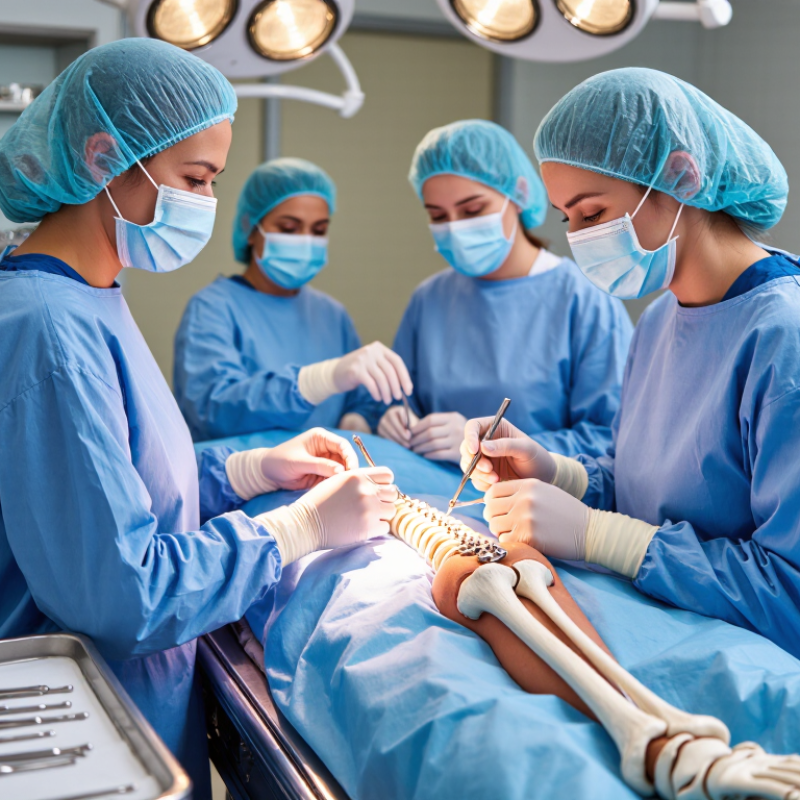
Bone fractures are a global health challenge, not a narrow surgical problem. A 2019 global burden estimate recorded 178 million new fracture cases worldwide. This figure includes injuries from falls, traffic incidents, sports, workplace hazards, and fragile bones. It also reflects different reporting systems, so comparisons between regions are not perfectly equal.
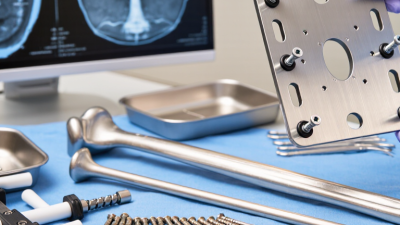
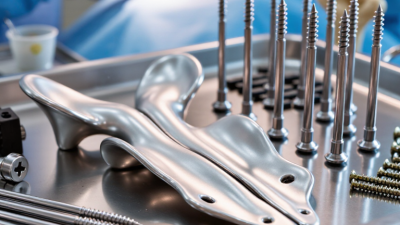
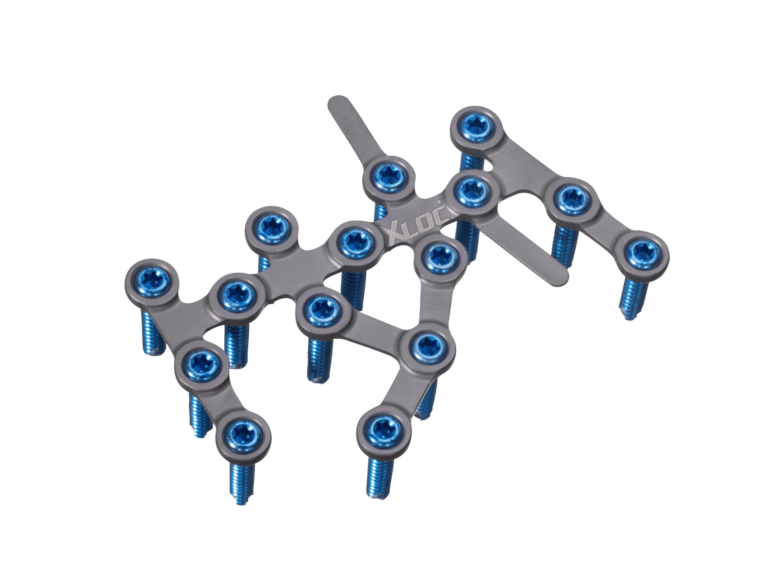
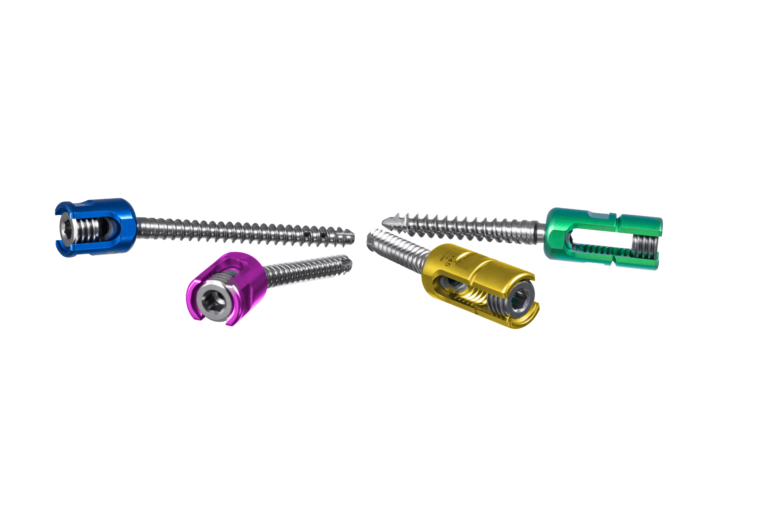
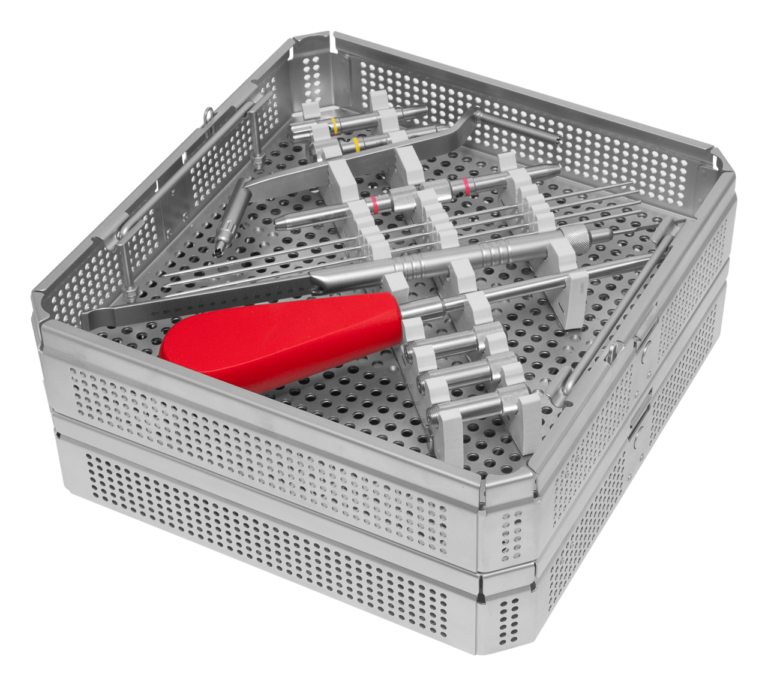
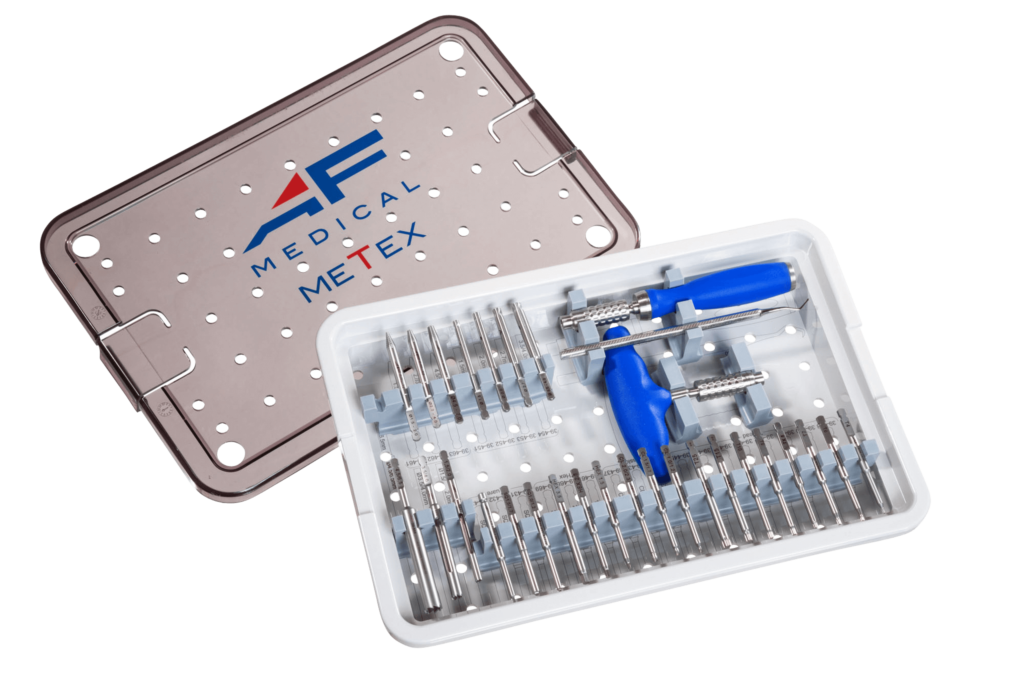
The treatment scope is broad. Manufacturers develop bone plates, screws, intramedullary nails, external fixation systems, surgical instruments, and biomaterial implants. Reliable production requires material traceability, precise engineering, sterile packaging, and carefully controlled testing. Hospitals also need products that match local surgical skills, patient age, fracture location, and available imaging equipment. A technically advanced device may still fail in practice if training or follow-up care is limited.
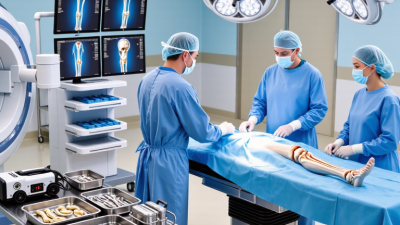
Clinical experience shows that treatment does not end in the operating room. Stable fixation, pain control, infection prevention, rehabilitation, and nutrition all influence recovery. Older patients may need fall assessment and support at home. Children require different growth considerations. Manufacturers should therefore work with surgeons, nurses, therapists, and regulators when improving product design. Evidence should be transparent, including limitations and adverse-event monitoring. The 178 million-case estimate is striking, but it should not hide unequal access to diagnosis and surgery. Rural patients may wait longer. Some data remain incomplete. That uncertainty deserves attention, not convenient dismissal.
| No. | Treatment Scope | Typical Product or Technology Category | Primary Clinical Application | Common Material or System | Key Manufacturing and Quality Requirements |
|---|---|---|---|---|---|
| 1 | Internal fixation plates | Compression plates, locking plates, reconstruction plates and anatomically contoured plates | Stabilization of fractures in the upper limb, lower limb, pelvis and other anatomical regions | Titanium alloys, commercially pure titanium or stainless steel | Accurate contouring, fatigue strength, corrosion resistance, dimensional consistency and validated sterilization compatibility |
| 2 | Intramedullary fixation | Intramedullary nails, interlocking screws and insertion instruments | Long-bone fractures, including femoral and tibial shaft fractures | Titanium alloy or stainless steel | High fatigue resistance, controlled elasticity, precise locking-hole geometry and instrument compatibility |
| 3 | Bone screws | Cortical screws, cancellous screws, locking screws, cannulated screws and headless compression screws | Independent fixation or use with plates, anchors and other fixation systems | Titanium alloy, stainless steel or bioabsorbable polymers for selected indications | Thread accuracy, pull-out resistance, drive-interface strength, surface finish and clean-room packaging controls |
| 4 | External fixation systems | Monolateral frames, circular frames, hybrid frames, clamps, pins and connecting rods | Open fractures, severe soft-tissue injury, temporary stabilization and complex limb reconstruction | Stainless steel, titanium alloy, carbon-fiber or polymer composite components | Frame rigidity, modularity, pin-site compatibility, radiolucency where required and reusable-instrument reprocessing validation |
| 5 | Hip fracture fixation | Sliding hip screw systems, cephalomedullary nails and proximal femoral plates | Selected intertrochanteric, subtrochanteric and femoral-neck fracture procedures | Titanium alloy or stainless steel | Controlled lag-screw or blade performance, load-bearing strength, anti-rotation design and anatomical fit |
| 6 | Joint replacement for fracture-related indications | Hemiarthroplasty and total joint replacement components | Displaced femoral-neck fractures and fractures unsuitable for reliable internal fixation | Cobalt-chromium alloys, titanium alloys, ceramics and ultra-high-molecular-weight polyethylene | Biocompatibility, wear resistance, fatigue performance, fixation-surface quality and strict cleanliness controls |
| 7 | Trauma implants for pediatric patients | Elastic nails, pediatric plates, small-diameter screws and guided-growth-related fixation components | Fracture stabilization in children while considering growth plates and changing anatomy | Titanium alloy, stainless steel or selected bioabsorbable materials | Small-profile geometry, controlled flexibility, atraumatic edges, size range and age-appropriate instrumentation |
| 8 | Bone grafting and bone void management | Demineralized bone matrix, cancellous graft substitutes, calcium phosphate products and injectable bone fillers | Bone defects, delayed healing, nonunion management and augmentation of fixation | Allograft-derived materials, calcium phosphate, calcium sulfate or bioactive glass | Biological safety, particle-size control, porosity, resorption profile, endotoxin control and validated packaging |
| 9 | Orthopedic trauma instruments | Drill guides, reamers, depth gauges, reduction tools, targeting guides and insertion instruments | Preparation, reduction and placement of fracture fixation devices | Stainless steel, titanium alloy and engineering polymers | Dimensional accuracy, corrosion resistance, ergonomic design, traceability and cleaning or sterilization validation |
| 10 | Postoperative fracture-care systems | Orthoses, immobilization braces, walking supports and rehabilitation accessories | Protection, controlled mobilization and functional recovery after fracture treatment | Thermoplastics, aluminum alloys, textile materials, foam and composite structures | Adjustability, pressure distribution, patient comfort, mechanical durability and skin-contact material safety |