Choosing among the top 10 Titanium Implant manufacturers worldwide requires more than comparing market size or product catalogs. Implant performance depends on material purity, surface treatment, design accuracy, clinical evidence, and manufacturing consistency. A polished brochure cannot reveal everything.
Professor Per-Ingvar Brånemark, widely recognized as the father of osseointegration, described the principle as “a direct structural and functional connection between ordered, living bone and the surface of a load-carrying implant.” His observation still shapes modern implant evaluation. It also reminds us that titanium alone does not guarantee clinical success. Surgical technique, patient health, loading conditions, and long-term maintenance remain essential.
This overview examines leading manufacturers through practical and professional criteria. These include titanium grades, implant geometry, surface roughness, production standards, research investment, regulatory compliance, and global clinical experience. It also considers how companies support dentists, surgeons, laboratories, and patients after purchase. Some manufacturers publish extensive evidence, while others provide less accessible information. That gap deserves attention.
Real-world details matter. A surgeon may compare thread design under dense cortical bone. A laboratory may focus on connection precision measured in tiny tolerances. A patient may care most about healing time and dependable follow-up. These perspectives do not always align.
The ranking is not absolute. It reflects available evidence, market reputation, and reported clinical value at the time of research. Manufacturing quality can vary across product lines. Readers should verify current certifications and consult qualified clinicians before making decisions. Titanium Implants are medical devices, not simple commodities.
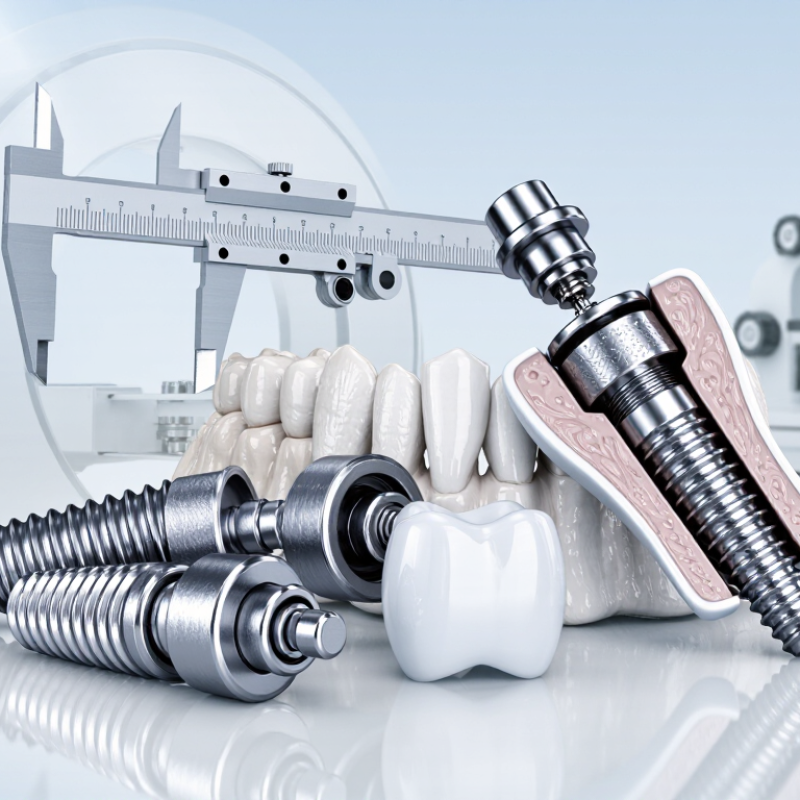
A credible ranking needs a clear boundary. This review covers manufacturers producing finished titanium implants for dental, orthopedic, and spinal applications. It excludes raw titanium suppliers, distributors, and companies offering only design services. Manufacturing location alone does not prove quality. The assessment must examine production evidence.
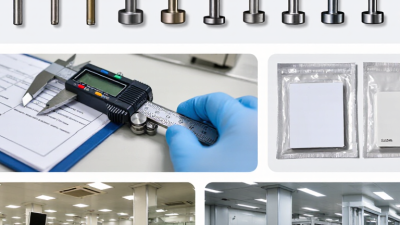
Key criteria include titanium grade, surface treatment, dimensional accuracy, and process control. Each manufacturer should demonstrate traceability from incoming material to finished implant. Independent certifications, validated sterilization processes, and documented quality systems also matter. Strong clinical evidence deserves greater weight than polished marketing language. Real-world performance leaves records.
Experience should be measured carefully. Years in business can suggest stability, but they cannot replace current technical competence. A manufacturer with modern machining, cleanroom controls, and skilled engineering teams may outperform an older facility. Worldwide availability also requires dependable logistics, technical support, and consistent documentation across markets. Small details matter, such as readable lot numbers and secure packaging.
The ranking should use recent, comparable data. Public information is often incomplete. That creates uncertainty. Financial size should not dominate the evaluation, because larger output may increase consistency or merely increase volume. Expert interviews, regulatory databases, audit findings, published studies, and surgeon feedback can improve reliability. Still, expert opinion may carry personal bias. A transparent scoring model should disclose these limits, update evidence regularly, and separate verified performance from reasonable assumptions.
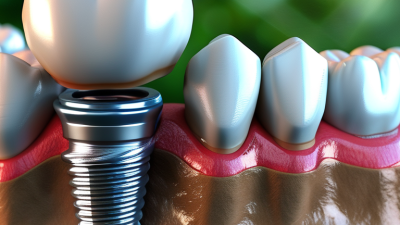
Titanium implants are not one uniform product. A credible “Top 10” comparison should map implant types, clinical uses, and production controls before judging manufacturers. Titanium and titanium alloys remain widely used because they combine low density, corrosion resistance, and biocompatibility. The 2024 Fortune Business Insights report estimated the global dental implants market at about USD 4.6 billion in 2023, with continued growth driven by aging populations and restorative dentistry.
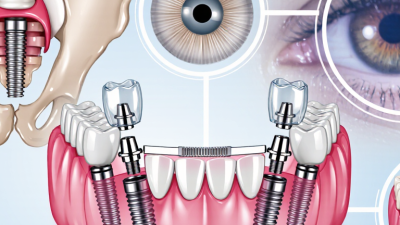
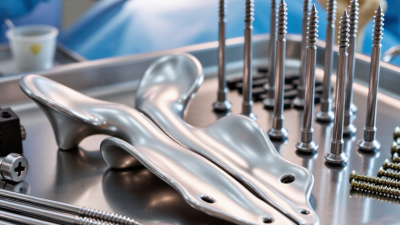
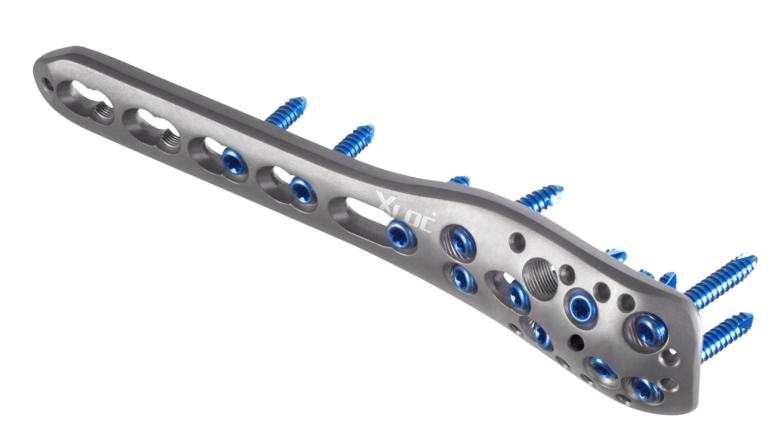
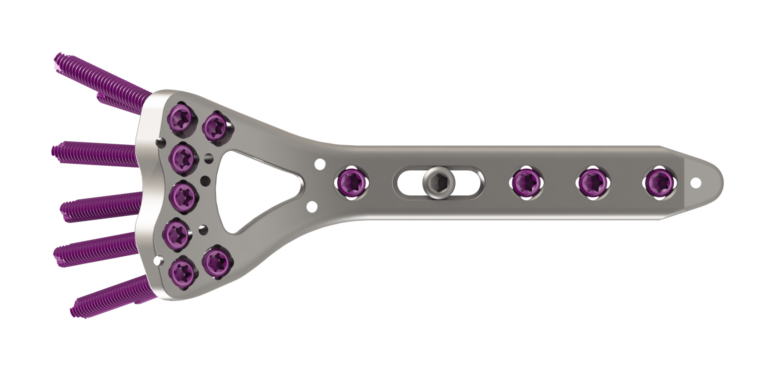
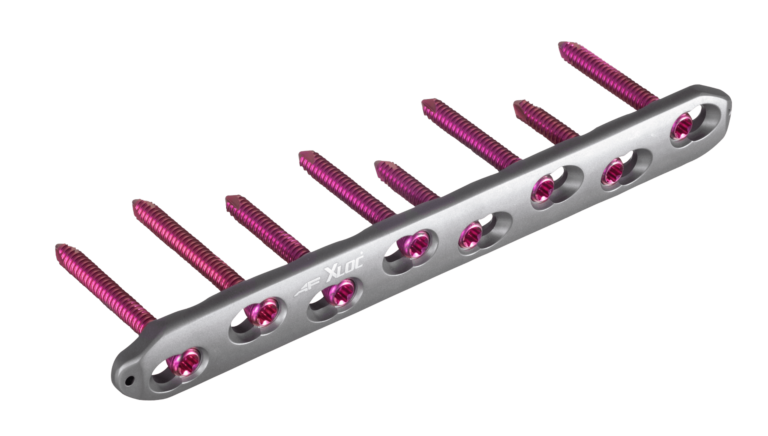
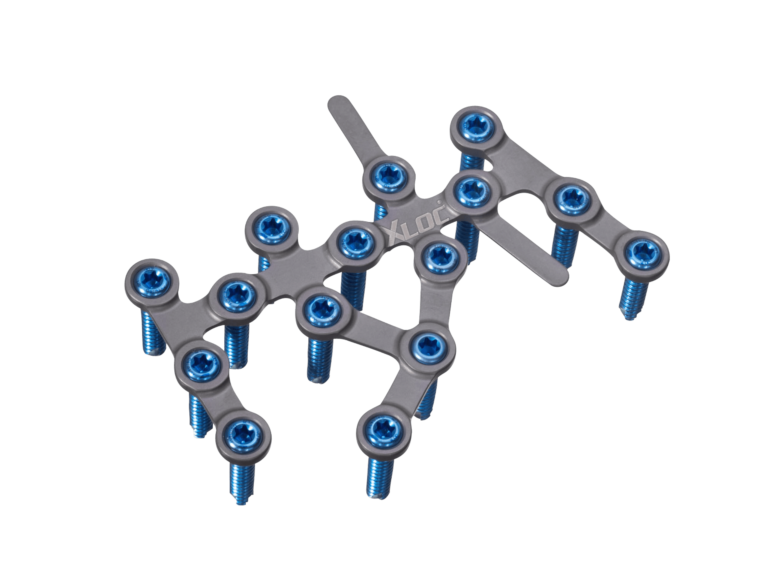
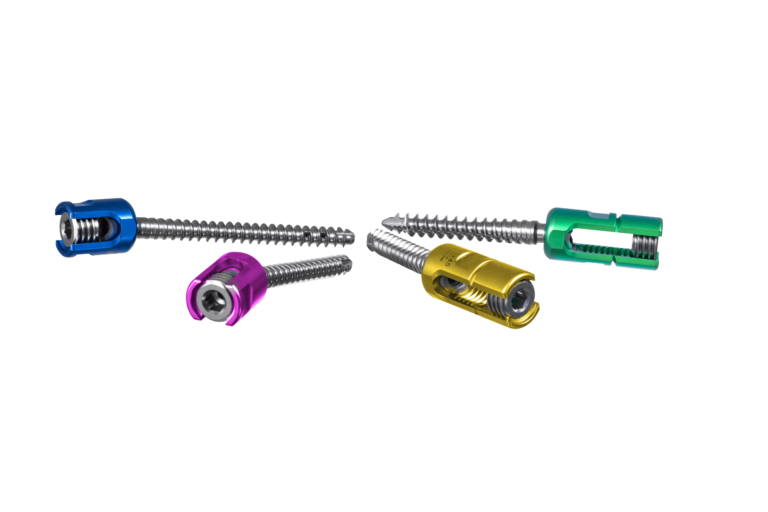
Dental implants usually include endosteal screws, abutments, and customized prosthetic connections. Orthopedic systems cover hip stems, spinal cages, trauma plates, and joint components. Medical-grade titanium is often selected for load-bearing structures.
Porous surfaces can support bone integration. Small details matter. Thread geometry changes insertion torque, while surface roughness affects early fixation.
Production methods differ considerably. CNC machining supports tight tolerances for threaded parts and abutments. Investment casting suits complex shapes, but porosity requires strict inspection. Electron-beam and laser powder-bed fusion enable lattice structures and patient-specific geometries. A 2023 Wohlers Report identified medical applications as a major area for additive manufacturing growth, although validation and repeatability remain difficult. Quality teams should examine ISO 13485 systems, ISO 5832 material compliance, sterilization controls, dimensional inspection, and traceability. The map is not perfect. Market rankings often emphasize revenue, not clinical consistency, manufacturing transparency, or long-term revision data. Real expertise requires reading beyond promotional claims.
Profiles of the Top 10 Titanium Implant Manufacturers Worldwide
The worldwide titanium implant field is expanding across dental, orthopedic, spinal, and trauma applications. MarketsandMarkets estimates the global dental implants market could reach about USD 7.8 billion by 2028, growing at roughly 8.5% annually from 2023. Grand View Research also identifies rising demand for lightweight, corrosion-resistant titanium systems. These figures differ because market definitions are not consistent. Data still varies.
The leading ten manufacturers show distinct strengths. Several specialize in dental screws with treated surfaces that support bone attachment. Others produce porous orthopedic components through additive manufacturing. One group focuses on spinal cages, while another develops trauma plates for complex fractures. Some manufacturers provide custom maxillofacial implants using patient imaging. A few emphasize high-volume, standardized systems for hospitals. Others compete through rapid prototyping and short production cycles. Their strongest common feature is controlled metallurgy. ASTM F67 and ASTM F136 titanium standards remain important references. ISO 13485 certification also supports documented quality management.
Experienced buyers should examine fatigue testing, surface roughness, sterilization controls, and lot traceability. A polished surface alone does not prove clinical reliability. Manufacturers should publish mechanical data, biocompatibility evidence, and post-market surveillance results. The FDA and European regulatory frameworks require substantial documentation, but compliance does not guarantee equal clinical performance. No ranking is perfect. Pricing, surgeon familiarity, regional approvals, and revision outcomes can change the picture. That weakness matters. A careful profile must compare evidence, not merely production scale or marketing claims.
| Rank | Manufacturer Profile | Primary Operating Region | Core Titanium Implant Categories | Common Material Standards | Typical Surface Technologies | Quality-System Framework | International Market Coverage |
|---|---|---|---|---|---|---|---|
| 01 | Profile A — Large multinational implant producer | North America and Europe | Dental implants, orthopedic fixation systems, spinal implants | Commercially pure titanium and Ti-6Al-4V; ISO 5832 and ASTM F67/F136 references | Grit blasting, acid etching, anodizing, porous or microtextured surfaces | ISO 13485; product-specific regulatory quality controls | North America, Europe, Asia-Pacific, Latin America, Middle East |
| 02 | Profile B — Established orthopedic specialist | Europe | Joint-replacement components, trauma plates, screws, spinal implants | Titanium and titanium alloys compliant with implant-grade specifications | Porous coatings, plasma-sprayed surfaces, bead or lattice structures | ISO 13485; CE-marking and applicable national requirements | Europe, North America, Asia-Pacific and selected emerging markets |
| 03 | Profile C — Dental implant technology group | Europe and North America | Root-form dental implants, abutments, prosthetic components | Commercially pure titanium and titanium alloy components | Machined roughness, acid etching, grit blasting and hydrophilic treatments | ISO 13485; risk management aligned with ISO 14971 | Global dental distribution through subsidiaries and authorized channels |
| 04 | Profile D — Diversified medical-device manufacturer | North America | Orthopedic reconstruction, trauma, spinal and dental systems | Titanium, titanium alloys and other implant-grade metallic materials | Porous titanium, additive-manufactured structures and textured surfaces | ISO 13485; FDA quality-system and international regulatory controls | North America, Europe, Asia-Pacific and Latin America |
| 05 | Profile E — Advanced spine and orthopedic developer | North America and Europe | Spinal cages, pedicle systems, trauma implants and joint components | Ti-6Al-4V and other titanium alloys used for load-bearing implants | 3D-printed porous titanium, lattice geometry and plasma coating | ISO 13485; regional approvals based on device classification | North America, Europe and selected Asia-Pacific markets |
| 06 | Profile F — Asia-Pacific implant manufacturer | East Asia | Dental implants, orthopedic screws, plates and spinal products | Commercially pure titanium and Ti-6Al-4V under ISO and ASTM references | Sandblasting, acid etching, anodizing and calcium-phosphate coatings | ISO 13485; domestic and export-market regulatory registrations | Asia-Pacific, Europe, Middle East, Africa and selected Americas |
| 07 | Profile G — European dental implant specialist | Central and Northern Europe | Dental implants, abutments, healing components and surgical kits | Grade 4 commercially pure titanium and titanium alloy components | Moderately roughened, hydrophilic and chemically modified surfaces | ISO 13485; CE-marking under applicable European requirements | Europe, North America, Asia-Pacific and distributor markets |
| 08 | Profile H — Precision contract implant producer | North America and Europe | Custom orthopedic, dental and maxillofacial titanium components | Medical-grade titanium and titanium alloys selected by device design | CNC-machined textures, laser processing and additive manufacturing | ISO 13485; validation, traceability and supplier-control programs | Primarily business-to-business supply across regulated markets |
| 09 | Profile I — Emerging additive-manufacturing specialist | Europe and Asia-Pacific | Patient-specific implants, spinal cages and cranio-maxillofacial devices | Powder-bed-fusion-compatible titanium alloys, especially Ti-6Al-4V | Open-cell lattices, controlled porosity and topology-optimized structures | ISO 13485; process validation and additive-manufacturing controls | Specialized hospital, distributor and OEM channels worldwide |
| 10 | Profile J — Regional full-line implant supplier | Latin America, Europe or Asia-Pacific | Dental, trauma, maxillofacial and selected orthopedic implants | Commercially pure titanium and titanium alloys meeting applicable standards | Machined, blasted, etched and anodized implant surfaces | ISO 13485; local market authorization and export compliance | Regional leadership with growing international distributor coverage |
Note: The profiles are presented without company or brand names. Ranking position is indicative and should be validated against current regulatory approvals, product portfolios, manufacturing capacity and market data.
Comparing the top titanium implant manufacturers worldwide requires more than checking production volume. Product quality begins with material control, machining accuracy, and clean packaging. Ask for titanium grade, batch records, dimensional tolerances, and shelf-life evidence. Traceability matters. During supplier reviews, I look for consistent inspection methods, not impressive brochures. Independent testing can reveal differences in fatigue strength, surface roughness, and connection stability. A polished website proves little.
Certifications provide structure, but they do not replace technical judgment. ISO 13485 shows that a manufacturer operates a medical-device quality system. Regulatory clearances and documented risk management add stronger evidence. Still, certificates should be checked for scope, expiry, and manufacturing site. Some suppliers outsource critical steps, which can weaken accountability. That detail is easy to miss. Innovation should solve clinical problems, not merely create new terminology. Useful examples include digitally planned components, controlled surface treatments, and improved restorative compatibility. Long-term clinical data deserves more weight than a short launch campaign.
Global reach is practical, not glamorous. Reliable manufacturers maintain regional inventory, responsive technical support, and clear training materials. Stable shipping procedures protect sterile packaging and reduce treatment delays. Customer complaints should receive documented investigation and measurable corrective action. Language support also matters when surgical instructions cross borders. I would compare delivery records, service response times, and distributor qualifications. No scorecard is perfect. Price may look attractive, yet inconsistent supply can cost more later. My own reviews can miss local regulatory nuances, so independent clinical and regulatory checks remain necessary.
A credible top-ten list should separate implant sectors rather than rank every supplier together. Dental manufacturers often prioritize surface roughness, thread geometry, and prosthetic compatibility. Orthopedic producers focus on fatigue strength, porous structures, and long-term fixation. Trauma and spinal suppliers need modular instruments and reliable hospital logistics. Custom implant specialists add digital planning and metal additive manufacturing. ISO 13485 certification and compliance with ASTM F67 or ASTM F136 titanium standards remain practical screening points.
Market data supports this segmented approach. Grand View Research estimates continued growth in the global dental implants market, driven by aging populations and rising restorative treatment demand. Fortune Business Insights reports similar expansion in orthopedic implants, with North America retaining strong clinical adoption and Asia-Pacific showing faster growth. These regions do not offer identical advantages. North America usually provides broad clinical evidence and distribution depth. Europe emphasizes regulatory documentation and traceability. Asia-Pacific can offer growing production capacity and more competitive pricing. Latin America, the Middle East, and Africa may face longer lead times and narrower product portfolios.
Availability deserves equal weight with engineering quality. A manufacturer may produce excellent titanium implants but lack local inventory, trained support teams, or instrument replacement routes. That weakness matters during surgery. My ranking would therefore assess sector specialization, published clinical evidence, quality systems, regional registrations, and after-sales service. Reports rarely measure service failures clearly. That is an imperfect gap, and buyers should verify delivery records directly.