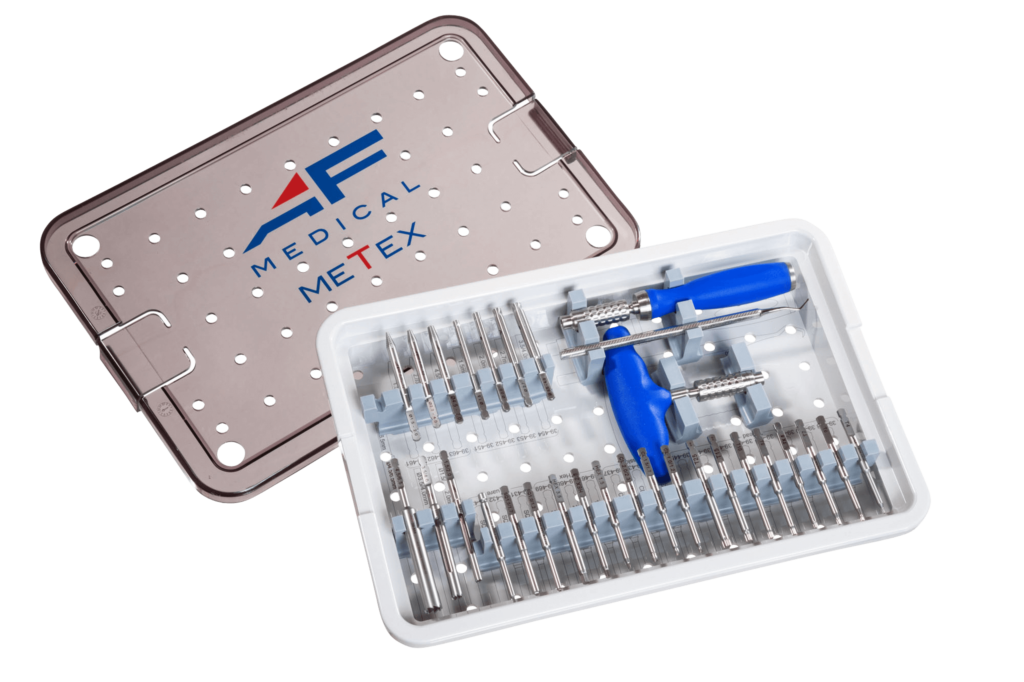
The global market for lower-limb surgical technology is expanding with advances in joint replacement, trauma fixation, robotics, and sports medicine. Lower Extremity Surgery now depends on precise instruments, imaging systems, powered tools, implants, and sterile workflow equipment. Grand View Research reports continued growth in the global orthopedic devices market, supported by aging populations, rising osteoarthritis rates, and improving hospital infrastructure. These trends create stronger demand for dependable suppliers, not merely larger catalogs.
Major international manufacturers include Stryker, Zimmer Biomet, DePuy Synthes, Smith+Nephew, and Arthrex. However, a supplier’s reputation should not rely on brand recognition alone. Hospitals often evaluate implant compatibility, surgeon training, maintenance response, clinical evidence, and regulatory quality systems. ISO 13485 certification and applicable national clearances remain important indicators of controlled medical-device production. MarketsandMarkets also identifies technology integration, including robotic assistance and computer navigation, as a significant direction in orthopedic equipment development.
Details matter.
A reliable supplier should support the operating room beyond delivery. Consider a knee procedure: trays must arrive complete, powered instruments must maintain consistent performance, and tracking systems must reduce identification errors. The World Health Organization emphasizes safe, quality-assured medical devices across healthcare systems, although supplier performance varies by country and facility. Public market reports provide useful scale estimates, but their categories and forecasting methods are not always identical. That limitation deserves attention. This guide therefore compares leading Lower Extremity Surgery equipment suppliers through product breadth, clinical support, quality credentials, geographic reach, and after-sales service. The result is not a universal ranking. It is a practical framework for informed procurement.
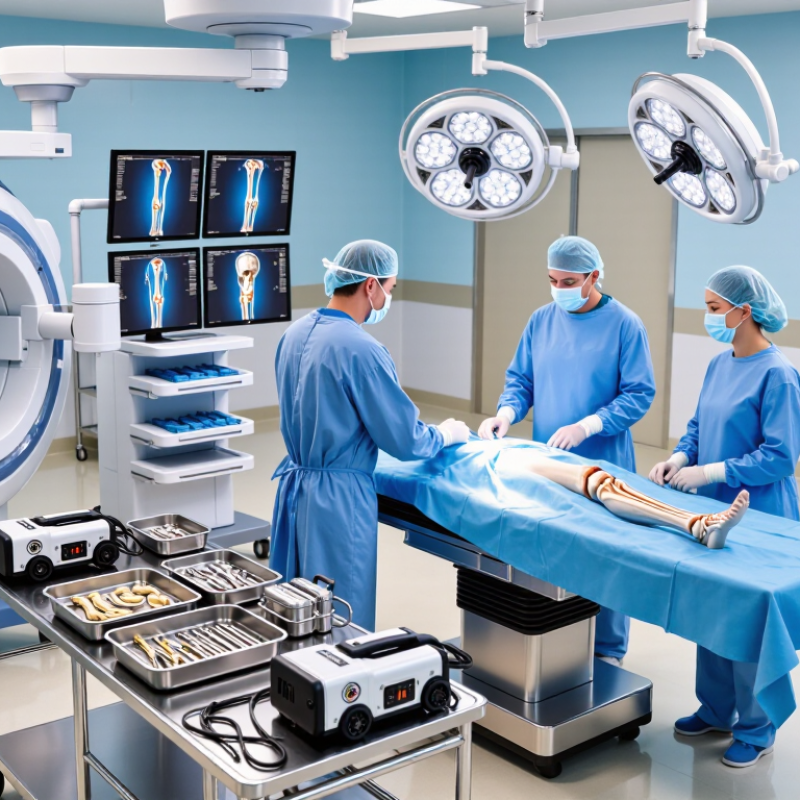
Top Lower Extremity Surgery Equipment Suppliers Worldwide
Understanding the Lower Extremity Surgery Equipment Market
The lower extremity surgery equipment market is expanding with aging populations, sports injuries, and rising osteoarthritis rates. Grand View Research valued the global orthopedic devices market at approximately USD 47.4 billion in 2023. It forecasts a compound annual growth rate of about 4.9% through 2030. These figures include implants, surgical instruments, navigation systems, and other orthopedic technologies.
Market definitions remain inconsistent. That matters. Fortune Business Insights estimated the orthopedic devices market at USD 38.5 billion in 2023, using a narrower scope. Such differences can confuse procurement teams comparing supplier claims. Lower extremity demand is strongest in knee and hip procedures, yet trauma systems also require fixation tools, power instruments, and sterile accessories. Hospitals increasingly assess equipment through workflow efficiency, maintenance access, training, and total ownership cost.
Clinical experience shows that advanced equipment cannot compensate for weak surgical planning. A precise saw guide still depends on calibration, staff familiarity, and reliable sterilization. The 2024 Global Orthopedic Devices Market analysis from MarketsandMarkets highlights technology adoption and minimally invasive procedures as important growth drivers. However, forecasts are not promises. Regional reimbursement rules, supply interruptions, and surgeon preferences can change purchasing decisions quickly. A better evaluation combines published market data with procedure volumes, revision rates, operating-room feedback, and local service capacity. Some evidence will remain incomplete. That is a reason to review assumptions, not ignore them.
| Market Dimension | Equipment Category | Typical Lower-Extremity Applications | Primary Purchasing Settings | Demand Drivers and Evidence-Based Indicators | Relevant Quality or Regulatory Considerations |
|---|---|---|---|---|---|
| Orthopedic power systems | Pneumatic or electric saws, drills, reamers and attachments | Trauma fixation, joint replacement, osteotomy and bone preparation | Hospitals, ambulatory surgery centers and orthopedic trauma units | Demand is supported by aging-related orthopedic care, fracture treatment and increasing surgical capacity in emerging healthcare systems. | Electrical safety, cleaning validation, sterilization compatibility, battery safety and risk management are important procurement criteria. |
| Joint-replacement instrumentation | Reusable cutting guides, trial components, alignment guides and impactors | Total knee, partial knee, hip and revision arthroplasty procedures | Orthopedic hospitals, specialty centers and high-volume surgical departments | The World Health Organization reports that by 2030, one in six people worldwide will be aged 60 years or older, increasing the relevance of degenerative-joint treatment. | Instrument traceability, validated reprocessing, dimensional accuracy and compatibility with the associated implant system are essential. |
| Trauma fixation equipment | Reduction tools, external fixators, plate and screw instruments, intramedullary nail instruments | Femur, tibia, ankle, foot and periarticular fracture management | Level I and II trauma hospitals, emergency surgery departments and orthopedic centers | The WHO estimates that road traffic crashes cause approximately 1.19 million deaths annually, while non-fatal injuries create continuing demand for trauma care. | Mechanical strength, corrosion resistance, sterilization performance and rapid availability of instrument sets influence purchasing decisions. |
| Surgical navigation and robotics | Computer-assisted navigation, optical tracking, planning software and robotic positioning platforms | Alignment-sensitive knee and hip arthroplasty, complex reconstruction and selected revision procedures | Tertiary hospitals and specialized orthopedic centers with high procedure volumes | Adoption is associated with demand for reproducible alignment, digital planning, workflow standardization and differentiated surgical services. | Software lifecycle controls, cybersecurity, electromagnetic compatibility, user training and validation of accuracy are key considerations. |
| Intraoperative imaging | Mobile radiography, fluoroscopy and three-dimensional imaging systems | Fracture reduction, implant positioning, deformity correction and complex foot-and-ankle surgery | Trauma operating rooms, hybrid theaters and image-guided surgery suites | The main value proposition is immediate anatomical and implant-position verification during surgery, particularly in complex trauma cases. | Radiation protection, image quality, dose optimization, electrical safety and operator training must be addressed. |
| Patient positioning and operating tables | Orthopedic tables, traction accessories, leg supports and radiolucent positioning systems | Hip fracture repair, femoral nailing, knee surgery and foot-and-ankle procedures | General hospitals, orthopedic operating rooms and ambulatory surgery centers | Purchasing is influenced by operating-room utilization, patient safety, compatibility with imaging and the need to support multiple lower-extremity procedures. | Load limits, pressure-injury prevention, mechanical stability, cleanability and compatibility with surgical accessories are critical. |
| Tourniquet and fluid-management systems | Pneumatic tourniquet controllers, cuffs, suction and irrigation equipment | Knee arthroscopy, foot-and-ankle surgery and selected open orthopedic procedures | Operating rooms, day-surgery facilities and orthopedic specialty clinics | Demand is linked to minimally invasive procedures, visualization requirements and operating-room efficiency. | Accurate pressure control, alarm performance, cuff sizing, infection prevention and patient-specific risk assessment are required. |
| Diabetic-foot and limb-salvage equipment | Debridement systems, vascular assessment tools, wound-care equipment and off-loading devices | Diabetic-foot surgery, infection control, ulcer management and amputation prevention | Multidisciplinary hospitals, wound-care centers, vascular units and outpatient clinics | The WHO reported that approximately 830 million adults were living with diabetes in 2022, creating a substantial clinical need for foot assessment and limb-preservation services. | Biocompatibility, infection control, wound-care protocols, measurement accuracy and integration with multidisciplinary care pathways are important. |
| Sterilization and instrument reprocessing | Washer-disinfectors, ultrasonic cleaners, sterilizers, tracking software and instrument containers | Reprocessing of reusable orthopedic, trauma and arthroscopy instruments | Central sterile services departments and hospital operating-room networks | Growth is supported by the high proportion of reusable orthopedic instruments and by stricter infection-prevention and traceability requirements. | Validated cleaning and sterilization cycles, documented monitoring, instrument tracking and compliance with local healthcare regulations are essential. |