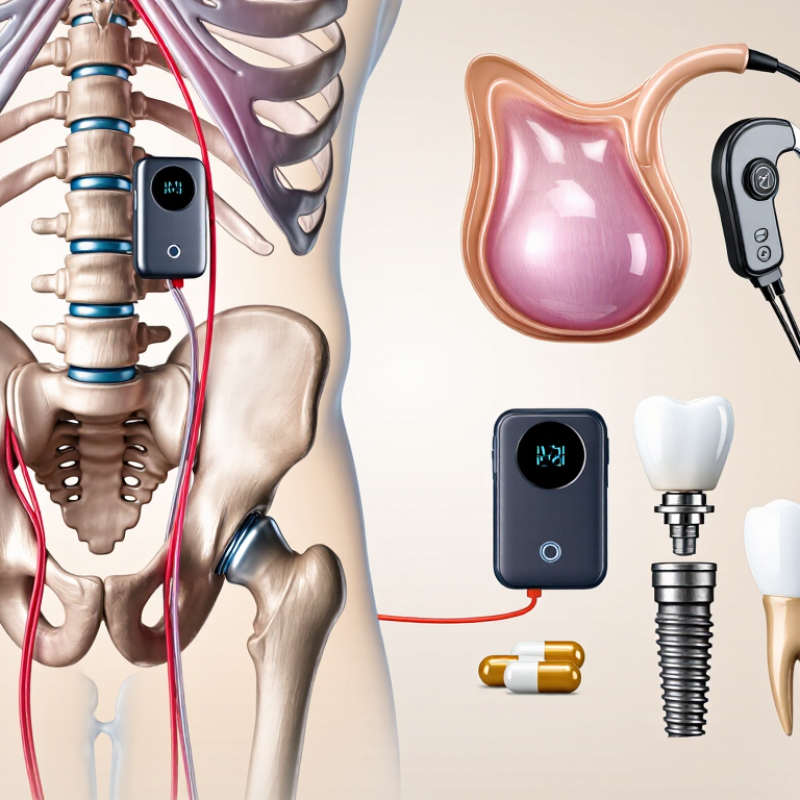
Medical Implants are medical devices designed to replace, support, monitor, or restore body functions. Some sit beneath the skin, while others become part of bone or tissue. Their forms vary widely. Orthopedic implants can replace hips, knees, shoulders, or damaged spinal structures. Dental implants support artificial teeth after tooth loss. Cardiac implants, including pacemakers and defibrillators, help manage dangerous heart rhythms. Cochlear implants can improve hearing for selected patients. Breast implants and reconstructive devices may restore body shape after surgery or injury. Drug-delivery implants release medicine gradually in carefully selected cases.
The right implant depends on anatomy, diagnosis, age, activity level, allergies, and long-term health. It also depends on the surgeon’s training and the device’s clinical evidence. A titanium hip stem, for example, must fit the patient’s bone structure and movement needs. A pacemaker requires careful programming, regular checks, and battery monitoring. These details matter.
Safety comes before convenience. Qualified clinicians should review approved devices, surgical risks, expected benefits, alternatives, and possible future procedures. Infection, loosening, wear, scarring, nerve injury, and device failure remain possible. No implant is perfect. Even well-planned treatment can produce an unexpected result, and that limitation deserves honest discussion. Patients should ask who will perform the procedure, how often follow-up occurs, and what warning signs require urgent care. This overview offers a practical starting point, not a personal diagnosis or treatment plan. Evidence changes over time, so decisions should reflect current guidance and the patient’s individual circumstances.
Medical implants are devices placed inside the body to restore function, support damaged tissue, or replace a missing structure. Some remain for a short period, while others are designed for long-term use. A hip joint, dental implant, bone plate, or heart valve serves a different clinical purpose. Classification helps doctors compare these devices, but real patients rarely fit into one simple category.
One common classification is based on location. Implants may be orthopedic, dental, cardiovascular, neurological, or reconstructive. They can also be classified by function, such as replacement, support, stimulation, or drug delivery. Another useful division considers duration: temporary implants are removed after healing, while permanent implants may stay for years. Materials provide another category, including metals, ceramics, polymers, and biological tissues. Each material has strengths and limitations. Even a well-tested implant may behave differently in each body.
Tips: Ask what the implant is made from and why it is recommended. Discuss expected lifespan, follow-up visits, imaging needs, and possible complications. Request clear instructions about wound care and movement limits. Classification is useful, but it cannot predict every outcome. Surgical technique, bone quality, allergies, lifestyle, and recovery habits also matter. I have found that patients often focus on the device name, while the surrounding tissue deserves equal attention. Reviewing reliable clinical information with a qualified healthcare professional supports safer decisions.
Medical implants can replace damaged body structures or support those that still function but need assistance. Joint implants, for example, may replace worn surfaces in the hip, knee, or shoulder. They can reduce painful bone-on-bone movement and improve daily activities such as walking or lifting.
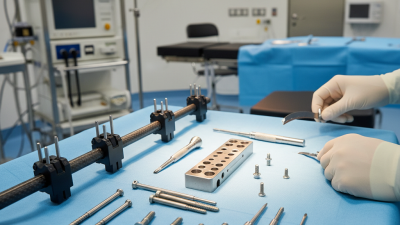
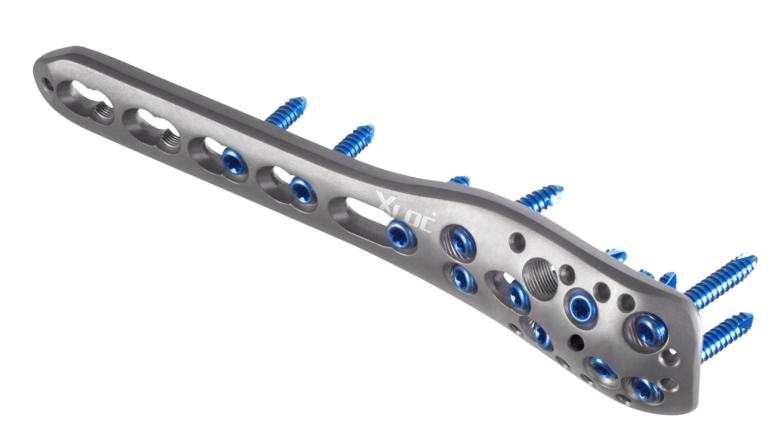
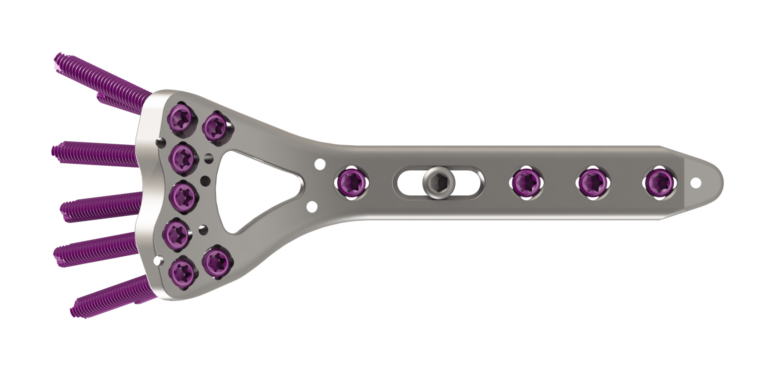
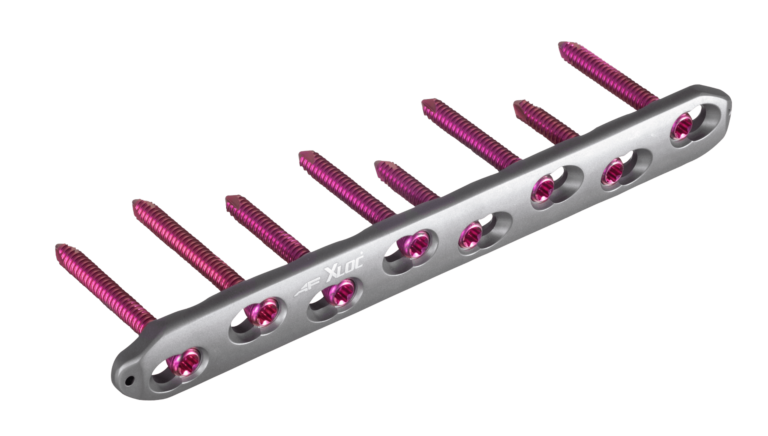
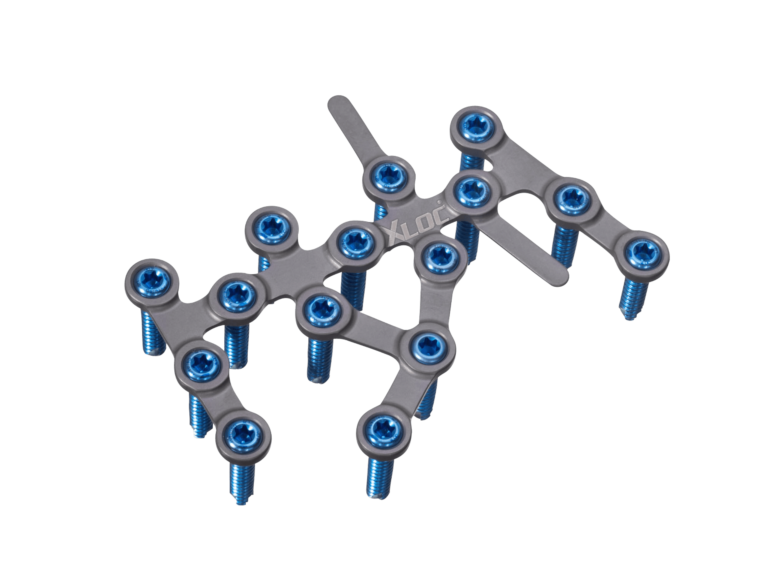
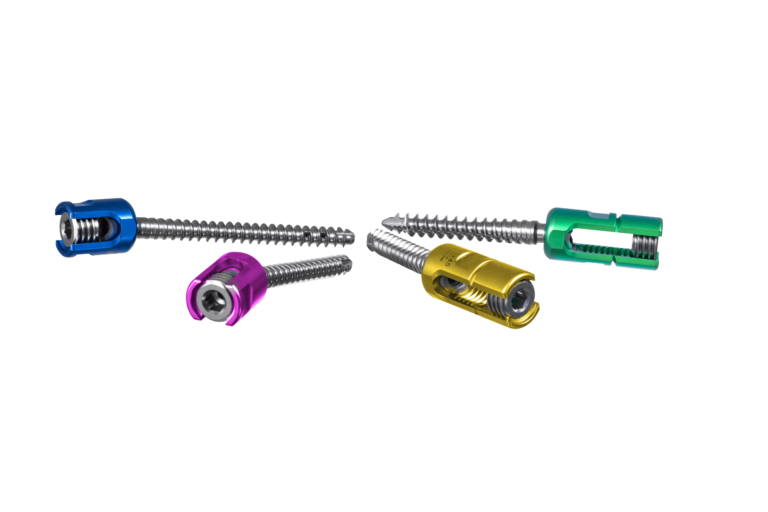
Some implants restore missing teeth and help maintain chewing ability. Dental posts anchor artificial teeth inside the jaw, while bone plates, screws, and rods stabilize fractures during healing. Spinal cages and fixation systems can support weakened sections of the spine. They may help preserve alignment when discs or vertebrae have suffered serious damage.
Other devices support internal functions rather than replacing visible anatomy. Cardiac implants can regulate abnormal heart rhythms or improve pumping coordination. Vascular grafts may create a safer route for blood flow around a damaged vessel. Breast implants and reconstructive implants can restore shape after injury or surgery, but their suitability varies widely.
The choice is rarely obvious. Surgeons consider anatomy, age, activity, medical history, and expected recovery. Implant materials also matter because the body may react differently to each one. A replacement that works well for one patient may feel uncomfortable for another. Even a carefully planned procedure can require later monitoring, adjustment, or revision. Detailed imaging and honest discussions about risks help patients understand what an implant can—and cannot—do.
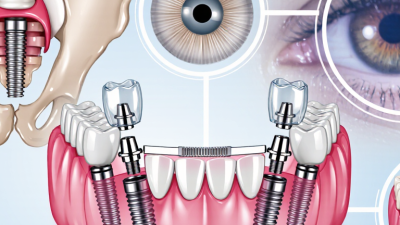
Dental implants replace missing tooth roots with small fixtures, usually placed inside the jawbone. An abutment connects the fixture to a visible crown. WHO’s Global Oral Health Status Report 2022 estimates that oral diseases affect nearly 3.5 billion people worldwide. Yet tooth loss does not automatically require an implant. Bone volume, gum health, smoking history, and healing capacity all matter. A loose denture, a tender gum, and limited chewing can shape the clinical decision.
Orthopedic implants include hip, knee, shoulder, spinal, and trauma devices. They may contain metal, ceramic, polyethylene, or combinations of these materials. The American Joint Replacement Registry’s 2023 Annual Report tracked more than 2.8 million hip and knee procedures. That figure reflects registry participation, not every operation worldwide. Implant longevity also varies. Activity level, alignment, infection, and patient age can change outcomes. Revision surgery remains a realistic possibility.
Cardiovascular implants serve different purposes. Stents help keep narrowed vessels open. Pacemakers regulate slow rhythms, while defibrillators respond to dangerous arrhythmias. Artificial valves can replace damaged native valves. The American Heart Association’s 2024 Heart Disease and Stroke Statistics reported 928,741 cardiovascular disease deaths in the United States during 2020. That burden supports continuing innovation, but it does not prove that every patient benefits from an implant. Registry numbers can miss complications treated elsewhere. Careful follow-up still matters.
What Types of Medical Implants Are Available?
Medical implants can restore function, manage symptoms, or change physical appearance. Their value depends on the person’s condition, goals, anatomy, and long-term health. Sensory implants may support hearing or limited vision. Cochlear implants can convert sound into electrical signals for the auditory nerve. Some visual prostheses remain highly specialized and may not suit every patient.
Neurological implants can deliver controlled electrical stimulation to specific nerves or brain areas. They may help manage movement disorders, chronic pain, epilepsy, or bladder control problems. Careful testing is essential because nearby nerves can respond differently. Small changes matter. Clinicians usually review imaging, medical history, medications, and mental wellbeing before treatment. Programming may require several visits.
Cosmetic implants can reshape areas such as the breast, chin, cheek, or jaw. A qualified surgeon should discuss size, material, scarring, sensation, and possible revision procedures. Appearance is only one part of the decision. Comfort and body acceptance matter too. Results vary. Even successful surgery may feel unfamiliar at first. I would not call any implant completely predictable, because healing, tissue changes, and personal expectations can alter the outcome. Patients should receive clear information about benefits, limitations, maintenance, warning signs, and follow-up care before consenting.
| Implant Type | Primary Category | Main Function | Typical Implant Location | How It Works | Common Clinical Use | Important Considerations |
|---|---|---|---|---|---|---|
| Cochlear Implant | Sensory | Provides a sense of sound for some people with severe to profound sensorineural hearing loss. | Internal receiver beneath the scalp; electrode array inserted into the cochlea. | A microphone and sound processor convert sound into coded electrical signals that directly stimulate the auditory nerve. | Hearing rehabilitation when hearing aids provide limited benefit and the auditory nerve is functional. | It does not restore normal hearing. Surgery, device maintenance, rehabilitation, and possible loss of residual hearing should be considered. |
| Retinal Prosthesis | Sensory | May provide limited visual perception for selected individuals with certain forms of severe retinal degeneration. | Electronic components are positioned on or near the retina, with an external camera and processor. | Visual information is converted into electrical stimulation of surviving retinal cells or related visual pathways. | Investigation or specialized treatment for particular retinal diseases, depending on device availability and regulatory authorization. | Perceived images are typically simplified rather than normal vision. Eligibility depends on retinal and optic-nerve function. |
| Deep Brain Stimulation System | Neurological | Modulates abnormal neural activity to reduce certain movement-disorder symptoms. | Electrodes are placed in specific brain regions; a pulse generator is usually placed beneath the skin of the chest. | Programmed electrical pulses alter activity in targeted neural circuits. | Selected cases of Parkinsonian symptoms, essential tremor, and dystonia after specialist evaluation. | It treats symptoms rather than curing the underlying disease. Risks include bleeding, infection, stimulation-related effects, and the need for programming or battery replacement. |
| Vagus Nerve Stimulation Implant | Neurological | Delivers intermittent electrical stimulation to the vagus nerve. | A pulse generator is placed under the skin of the chest, with a lead connected to the vagus nerve in the neck. | Regular electrical pulses influence vagal and connected brain networks. | Adjunctive treatment for selected drug-resistant epilepsy; some systems are also used for treatment-resistant depression in appropriate settings. | Possible effects include voice changes, cough, throat discomfort, and breathing-related symptoms. It is used alongside, not necessarily instead of, other treatment. |
| Responsive Neurostimulation System | Neurological | Detects abnormal electrical activity and provides stimulation intended to prevent or reduce some seizures. | A cranial neurostimulator is implanted in the skull and connected to electrodes placed at seizure-related brain regions. | The system monitors brain activity and responds to detected patterns with programmed stimulation. | Selected adults with focal epilepsy that remains uncontrolled despite medication and who are not suitable for, or have not benefited from, other procedures. | Requires long-term clinical follow-up and individualized programming. It is not a universal treatment for all seizure types. |
| Spinal Cord Stimulator | Neurological | Reduces certain forms of chronic neuropathic pain by modifying pain signaling. | Electrodes are placed in the epidural space near the spinal cord; a generator is implanted under the skin. | Electrical stimulation changes the transmission and perception of pain signals in spinal and brain pathways. | Selected chronic pain conditions after conservative treatments have not provided adequate relief. | A temporary trial is often performed before permanent implantation. Lead movement, infection, hardware problems, and variable effectiveness are possible. |
| Implantable Pulse Generator for Cardiac Pacing | Neurological / Physiological Support | Maintains an appropriate heart rate when the heart’s natural electrical conduction is impaired. | Generator beneath the skin near the collarbone; leads may be positioned in one or more heart chambers. | The device senses cardiac activity and delivers electrical impulses when programmed criteria are met. | Symptomatic bradycardia, some conduction disorders, and selected rhythm conditions. | Regular monitoring is required. Lead complications, infection, electromagnetic interference, and generator replacement are relevant considerations. |
| Implantable Cardioverter-Defibrillator | Physiological Support | Detects and treats life-threatening ventricular arrhythmias. | Pulse generator beneath the skin, commonly near the collarbone, connected to cardiac leads or positioned as a subcutaneous system. | It monitors heart rhythm and can deliver antitachycardia pacing or a high-energy shock when necessary. | Prevention or treatment of sudden cardiac death in people at elevated risk of dangerous ventricular rhythms. | Appropriate programming and follow-up are essential. Inappropriate shocks, infection, lead issues, and battery replacement may occur. |
| Total Artificial Heart | Physiological Support | Temporarily replaces the pumping function of both heart ventricles in severe heart failure. | Implanted in the chest after removal of the native ventricles; connected to an external driver. | Mechanical pumps propel blood through the pulmonary and systemic circulations. | Bridge to heart transplantation or, in selected cases, longer-term circulatory support. | Usually requires an external power and control system. Risks include bleeding, infection, clot formation, and stroke. |
| Breast Implant | Cosmetic / Reconstructive | Changes breast size or contour and may help reconstruct the breast after mastectomy or injury. | Placed beneath breast tissue or beneath the chest muscle, depending on anatomy and surgical goals. | A silicone shell containing saline or silicone gel provides added volume and shape. | Cosmetic augmentation and breast reconstruction. | Implants are not lifetime devices. Possible issues include rupture, capsular contracture, pain, asymmetry, reoperation, and implant-associated complications. |
| Facial and Craniofacial Implant | Cosmetic / Reconstructive | Restores or enhances the contour of facial structures. | Positioned over or within areas such as the chin, cheek, jaw, or orbital region. | Biocompatible solid materials provide structural volume or support. | Correction of congenital differences, trauma-related defects, reconstructive needs, or selected cosmetic contouring procedures. | Potential complications include infection, shifting, visibility, asymmetry, nerve symptoms, and the need for revision surgery. |
| Dental Implant | Reconstructive / Functional | Replaces the root portion of a missing tooth and supports a crown, bridge, or denture. | A screw-like fixture is placed in the jawbone, beneath the gum. | Bone integration stabilizes the implant, which is connected to a custom dental restoration. | Replacement of one or more missing teeth when sufficient bone and oral health are present. | Healing time is required. Smoking, uncontrolled diabetes, poor oral hygiene, insufficient bone, and peri-implant infection can reduce success. |
| Orthopedic Joint Replacement | Functional / Reconstructive | Restores movement and reduces pain caused by severe joint damage. | Components replace damaged surfaces of joints such as the hip, knee, shoulder, or ankle. | Metal, ceramic, and polymer components recreate smooth joint surfaces and mechanical alignment. | Advanced osteoarthritis, inflammatory arthritis, fractures, or other destructive joint conditions. | Implant wear, loosening, infection, dislocation, fracture, and eventual revision surgery are possible. |
| Penile Prosthesis | Functional / Reconstructive | Provides a mechanically achieved erection for selected cases of erectile dysfunction. | Cylinders are placed inside the erectile bodies; inflatable systems also include a pump and fluid reservoir. | Inflatable or malleable components create penile rigidity when activated or positioned. | Severe erectile dysfunction that has not responded adequately to less-invasive treatments. | It does not increase sexual desire or protect against sexually transmitted infections. Infection, mechanical failure, and revision surgery are possible. |

Medical implant suitability, expected benefits, and risks vary by individual health status, anatomy, diagnosis, and local regulatory authorization. Clinical decisions should be made with an appropriately qualified healthcare professional.
Medical implants range from joint replacements and dental implants to pacemakers, vascular stents, and tissue-support devices. Their selection depends on the patient’s anatomy, medical history, activity level, and treatment goals. Imaging, laboratory tests, and physical examinations help clinicians compare size, shape, materials, and expected durability. Patient preferences matter too.
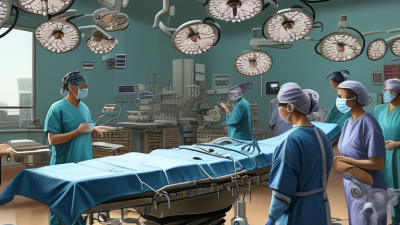
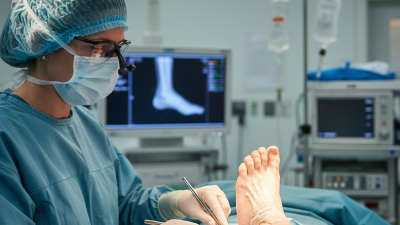
Placement requires careful planning. A surgical team reviews medication use, allergies, infection risks, and healing concerns before the procedure. During surgery, clinicians use sterile techniques and imaging when appropriate. The implant must fit securely without damaging nearby tissue. Recovery is not identical for everyone. Even excellent planning cannot predict every response.
Monitoring continues after placement. Follow-up visits may include wound checks, movement assessments, blood tests, X-rays, ultrasound, or device readings. Patients should report increasing pain, swelling, fever, drainage, numbness, or sudden changes in function. Small changes can be important. Some implants need lifelong observation, while others require periodic adjustment or replacement. Clinical decisions should be revisited when symptoms, scans, or personal circumstances change. A plan that seemed suitable last year may need thoughtful review today.