Titanium Implants are not a single device category. They include dental roots, hip and knee components, spinal cages, trauma plates, screws, and craniofacial frameworks. Each design answers a different clinical problem. A tooth implant may resemble a small threaded cylinder. A hip stem requires a carefully shaped surface for bone integration. A trauma plate must balance strength, flexibility, and accurate fixation.
Demand continues to expand across dental and orthopedic care. Fortune Business Insights reported that the global dental implants market was worth billions of dollars in 2023. Grand View Research also identified sustained growth in the orthopedic implants market, supported by aging populations and reconstructive procedures. These reports describe market activity, not guaranteed treatment outcomes. That distinction matters.
Professor P.-I. Brånemark, widely associated with modern osseointegration research, famously stated, “The human body does not reject titanium.” His observation helped explain why titanium became important in implantology. However, biology is rarely so simple. Surface texture, alloy composition, surgical technique, loading, and patient health can change performance. Titanium alloys may include aluminum and vanadium, while newer porous structures aim to encourage bone attachment.
The right choice depends on anatomy, function, imaging, and clinical judgment. There is no universal “best” Titanium Implants option. Even promising three-dimensional printed designs require long-term evidence. This guide examines the main implant types, their materials, applications, advantages, and limitations. It also questions common assumptions, because impressive laboratory results do not always translate into comfortable, durable patient outcomes.
What Types of Titanium Implants Are Available?
Types of Titanium Implants by Medical Application
Titanium implants are selected according to the body area, tissue demands, and surgical purpose. Their strength, low density, and bone compatibility support several medical applications. Material choice still depends on patient anatomy and clinical findings.
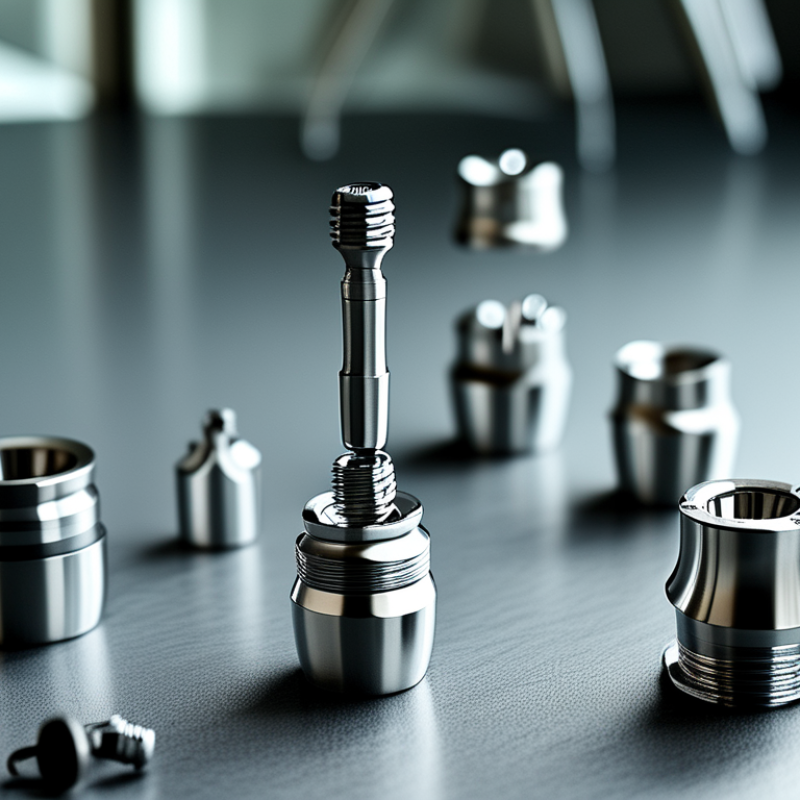
Dental implants replace missing tooth roots inside the jawbone. A threaded titanium fixture sits beneath the gum and supports a crown. Surgeons may use narrower designs when bone width is limited. Healing can take several months, especially when bone quality is poor.
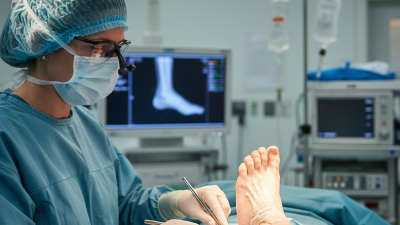
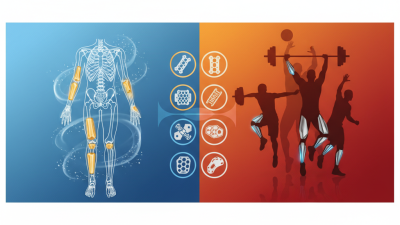
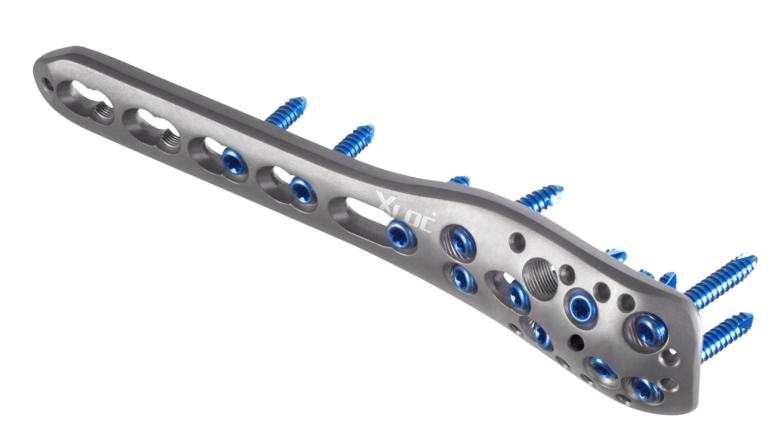
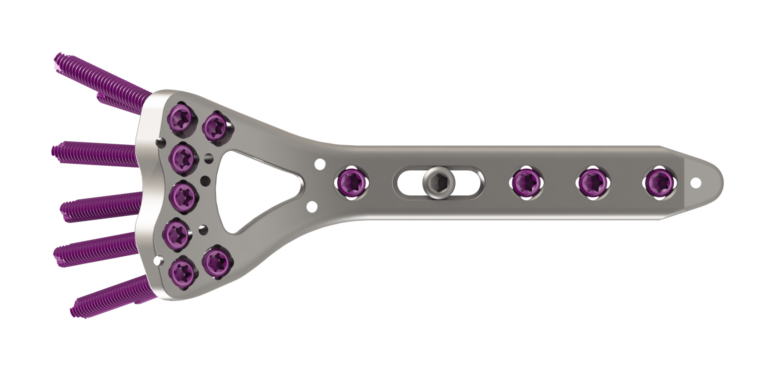
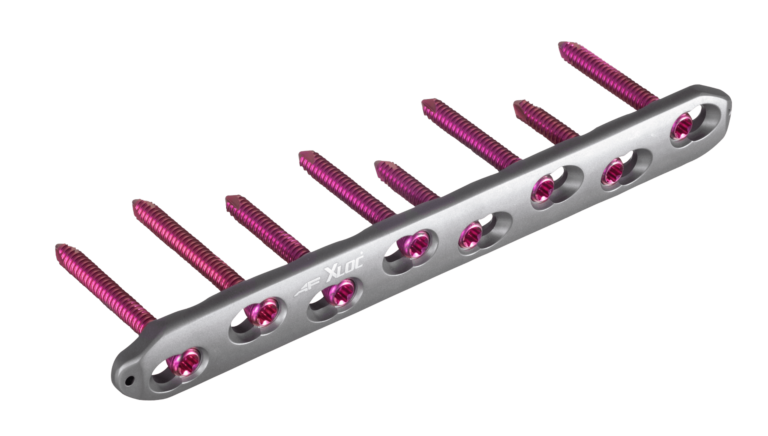
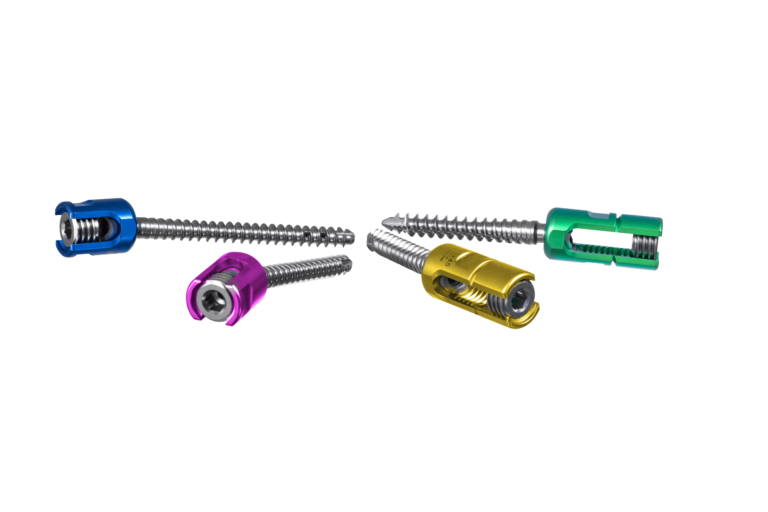
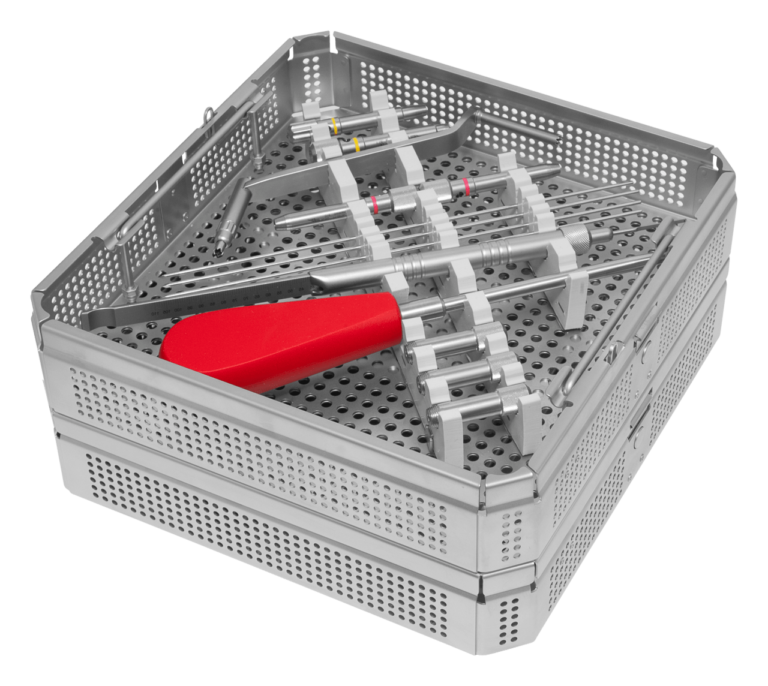
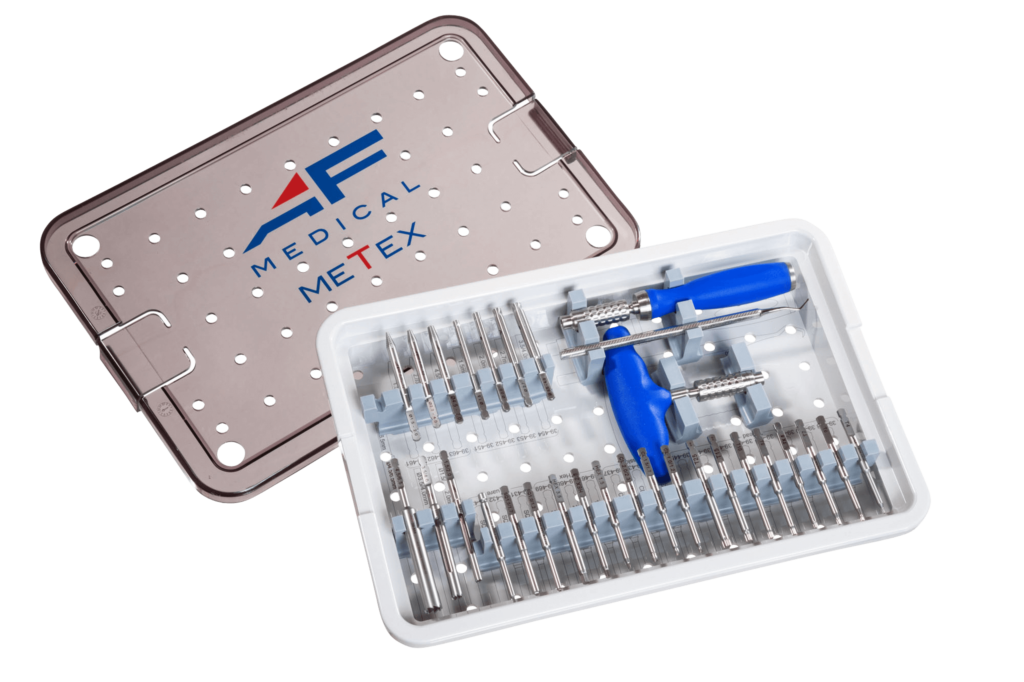
Orthopedic implants include hip stems, knee components, bone plates, screws, and intramedullary nails. A hip stem must transfer body weight without causing unnecessary stress around the femur. Plates and screws stabilize fractures while new bone develops. In spinal surgery, titanium cages, rods, and screws help maintain alignment. Some implants have textured surfaces to encourage bone attachment.
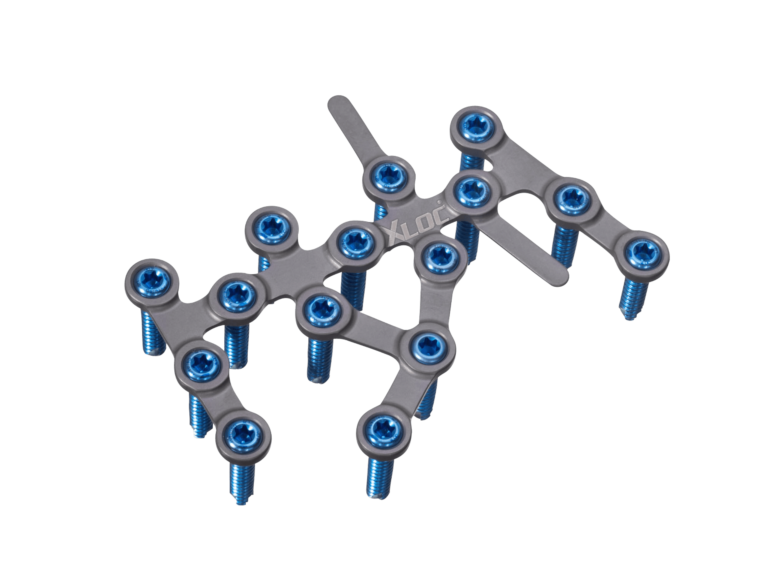
Titanium also appears in maxillofacial reconstruction and selected cardiovascular devices. Facial plates can help restore the contour of a damaged cheek or jaw. Cardiovascular applications require strict control of fatigue resistance and blood-contact performance. The categories can overlap, which makes simple classification imperfect. A dental implant and a fracture screw may share titanium, but their geometry and surface requirements differ greatly. Imaging, allergies, bone density, infection risk, and expected loading should guide the final decision with a qualified medical team.
| Medical Application | Common Implant Type | Typical Titanium Material | Key Design Features | Primary Clinical Purpose |
|---|---|---|---|---|
| Dental | Endosseous dental implants | Commercially pure titanium or titanium alloy | Threaded body, roughened or textured surface, abutment connection | Replacement of tooth roots to support crowns, bridges, or dentures |
| Orthopedic—hip | Femoral stems and acetabular components | Titanium alloy, commonly Ti-6Al-4V | Tapered stem, porous or coated fixation areas, modular connections | Partial or total hip joint replacement |
| Orthopedic—knee | Tibial trays, femoral stems, and fixation components | Titanium alloy or titanium-based structural components | Anatomical contours, modular interfaces, cemented or cementless fixation | Restoration of damaged knee joint surfaces and alignment |
| Spinal surgery | Interbody cages, pedicle screws, rods, and plates | Titanium alloy or commercially pure titanium | Radiolucent cage windows, threaded fixation, porous surfaces, modular instrumentation | Spinal stabilization, fusion, deformity correction, and fracture treatment |
| Trauma and fracture fixation | Bone plates, intramedullary nails, screws, and wires | Titanium alloy or commercially pure titanium | Low-profile plates, locking holes, variable-angle fixation, fatigue-resistant designs | Stabilization and alignment of fractured or surgically cut bones |
| Cranio-maxillofacial surgery | Cranial plates, facial plates, meshes, and fixation screws | Commercially pure titanium or titanium alloy | Thin profile, contourable geometry, mesh or patient-specific shapes | Repair of cranial defects and fixation of facial bones |
| Maxillofacial reconstruction | Reconstruction plates and custom titanium implants | Titanium alloy or commercially pure titanium | Three-dimensional patient-matched geometry, fixation holes, porous or solid sections | Reconstruction after tumor removal, trauma, or complex bone loss |
| Cardiovascular | Pacemaker and implantable cardiac-device cases or components | Commercially pure titanium | Hermetically sealed enclosure, corrosion resistance, biocompatible surface | Protection of electronic components implanted beneath the skin |
| Ear, nose, and throat | Ossicular prostheses and selected hearing-related implants | Titanium or titanium alloy | Lightweight structure, precise dimensions, stable tissue interface | Reconstruction or functional restoration of middle-ear structures |
| Soft-tissue anchoring | Suture anchors and tendon or ligament fixation devices | Titanium alloy or commercially pure titanium | Small threaded or barbed geometry, eyelets, and secure bone purchase | Attachment of tendons, ligaments, or sutures to bone |
| Ophthalmic surgery | Orbital implants and ocular prosthetic support components | Titanium or titanium alloy in selected applications | Lightweight structure, anatomical shape, tissue-compatible surface | Orbital reconstruction and support following injury or surgery |
Note: The exact titanium grade, surface treatment, fixation method, and implant design depend on the anatomical site, loading conditions, surgical technique, and applicable regulatory requirements.