Orthopedic Implants Manufacturer

China Top Foot Ankle Surgery Products for Global Buyers

China’s Foot Ankle Surgery industry has become an important sourcing option for hospitals, distributors, and private clinics worldwide. Its product range includes trauma plates, cannulated screws, arthroscopy instruments, external fixation systems, and total ankle replacement components. Production quality varies, however. Buyers should examine evidence, not catalogue claims.

The Fortune Business Insights report, Foot and Ankle Devices Market, estimated the global market at approximately USD 4.2 billion in 2023 and projected continued growth through 2032. MarketsandMarkets also identified rising sports injuries, diabetes-related complications, and demand for minimally invasive procedures as major market drivers. Definitions differ between reports. That matters when comparing suppliers.

Dr. Nicola Maffulli, a widely published orthopaedic surgeon and sports-medicine researcher, has repeatedly emphasized the importance of matching treatment to the patient’s functional needs. His practical message is clear: “The patient must remain at the centre of decision-making.” This principle should guide every China supplier evaluation.

A strong manufacturer can provide batch traceability, ISO 13485 certification, sterilization records, material specifications, and regulatory documentation for the destination market. Look closely at titanium grade, screw-thread design, instrument fit, packaging integrity, and post-market support. Ask for clinical references where appropriate.

Small details matter.

Global buyers should also verify registration requirements with local authorities, including the EU MDR, United States FDA pathways, or equivalent national systems. Price remains attractive in China, but low cost alone cannot demonstrate safety or clinical value. Some online rankings appear impressive yet lack transparent methodology. That is a weakness worth acknowledging. This guide therefore focuses on verifiable documentation, surgical practicality, supplier experience, and long-term reliability when identifying China’s leading Foot Ankle Surgery products.

China Top Foot Ankle Surgery Products for Global Buyers

China’s Foot and Ankle Surgery Product Market

China’s foot and ankle surgery product market has expanded through manufacturing depth, engineering talent, and flexible production capacity. Products include fixation plates, screws, intramedullary nails, external fixation components, and surgical instruments. Global buyers can find multiple sizes, materials, and design options within one sourcing region. Details matter. A polished catalog is not clinical evidence.

Experienced procurement teams examine material certificates, dimensional reports, sterilization records, and packaging integrity. They request samples before placing larger orders. During evaluation, they check thread consistency, plate contour, instrument grip, and compatibility with standard surgical workflows. Suppliers with ISO 13485-based quality systems may offer stronger process control, but certification alone cannot replace product testing. Buyers should also confirm registration requirements in the destination market and review traceability procedures.

Chinese manufacturers may support private-label packaging, design adjustments, and smaller trial orders. These services can help distributors respond to different hospital preferences. However, customization may affect validation, lead time, and inventory planning. Price comparisons can be misleading. A lower unit cost may exclude instruments, inspection, training, or replacement support. One weakness deserves attention: technical communication is not always equally clear across suppliers. Buyers should use precise drawings, written specifications, and documented acceptance criteria. Regular factory audits are useful, though they cannot reveal every future quality problem.


Key Product Categories for Foot and Ankle Procedures

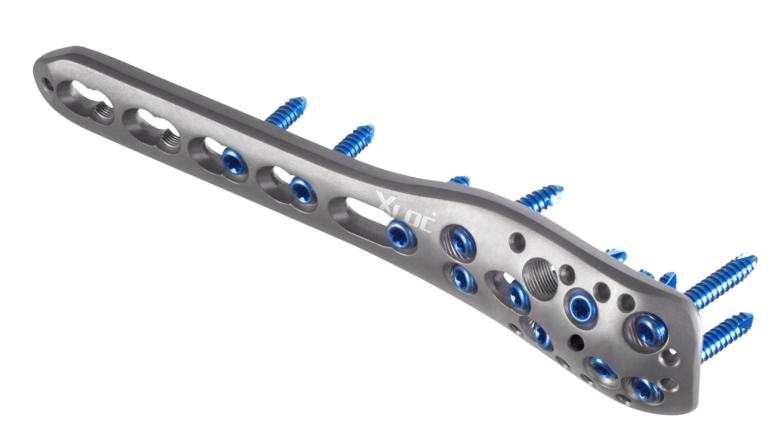
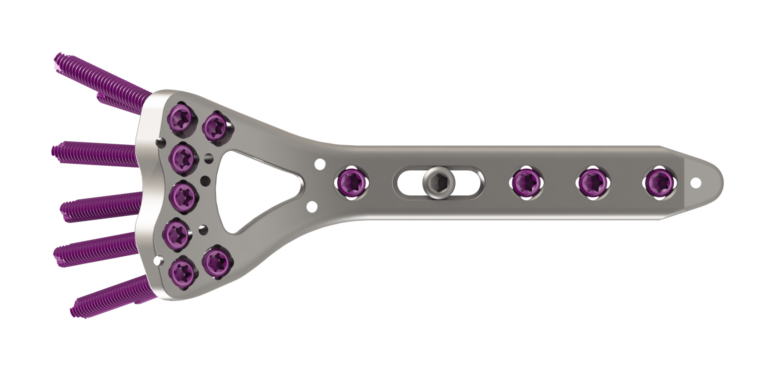
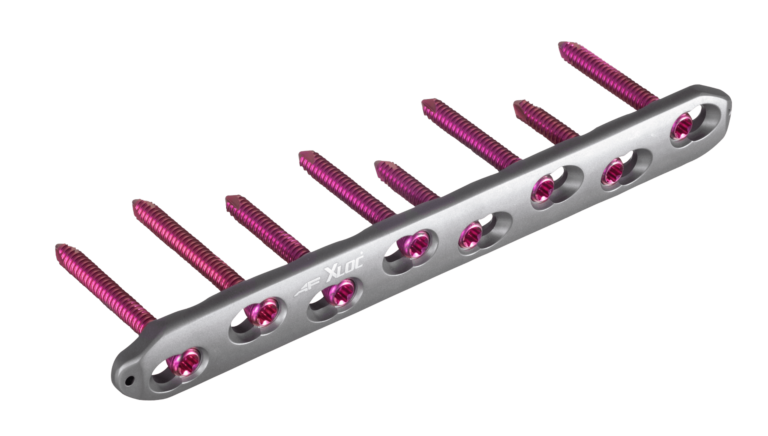
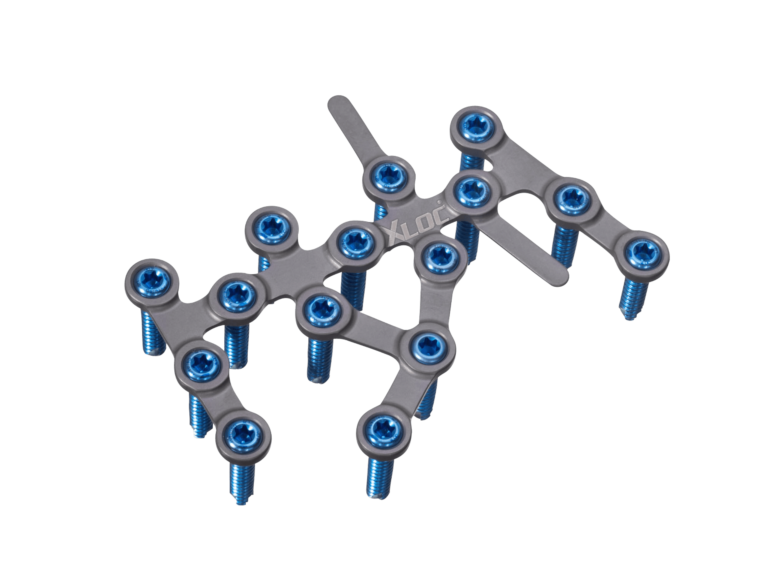
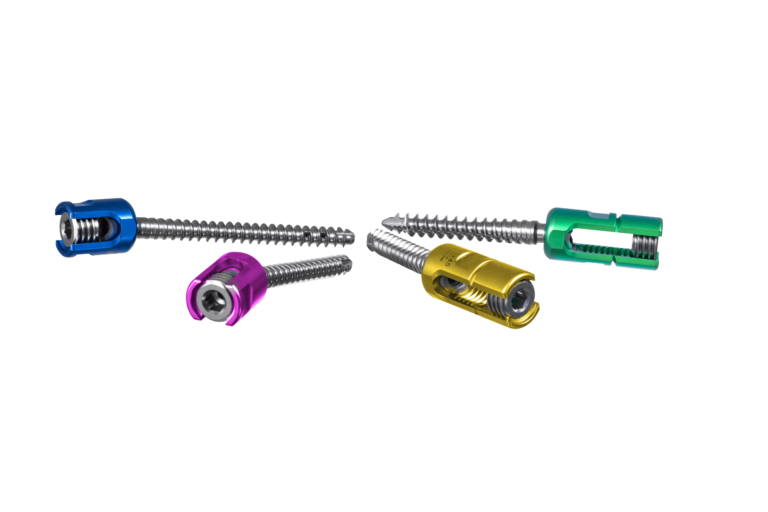
China’s foot and ankle surgery supply chain covers several practical product categories. These include trauma fixation plates, screws, intramedullary nails, external fixators, joint replacement components, arthroscopy tools, and surgical instruments. Each category serves a different clinical need, from stabilising a fractured ankle to correcting hallux valgus.

Trauma systems need accurate sizing and dependable locking strength. Surgeons also assess screw trajectory, plate contour, and soft-tissue protection. Arthroscopy sets require clear optics, irrigation control, and slim access tools. Implant buyers should request material certificates, sterilisation information, traceability records, and clinical documentation. Small details matter.

The World Health Organization reported that about 1.71 billion people live with musculoskeletal conditions worldwide in 2022. This broad burden supports continued demand for orthopaedic products. Grand View Research estimated the global orthopaedic devices market at approximately USD 47 billion in 2023, with continued growth expected through 2030. Foot and ankle products remain a specialised segment, not a simple extension of general orthopaedics.

Cost comparisons can be misleading. A lower unit price may hide weaker documentation or limited instrument compatibility. In my experience, buyers should test sample trays before placing larger orders. Packaging can also fail in real hospital storage. That point deserves more attention. Surgical efficiency depends on the complete system, not one implant alone.

China Top Foot & Ankle Surgery Products for Global Buyers

Key Product Categories for Foot and Ankle Procedures

The chart shows representative implant or fixation component counts commonly encountered in a single procedure. Actual quantities vary by anatomy, surgical technique, patient condition, and implant system; the figures are not market-share or company-sales data.

Materials, Designs, and Technical Features

China’s foot and ankle surgery products increasingly combine titanium alloy, 316L stainless steel, PEEK, and UHMWPE. Each material serves a different surgical need. Titanium alloy offers high strength with lower density and supports radiographic follow-up. Stainless steel remains practical for cost-sensitive fixation sets. PEEK provides radiolucency, but its lower stiffness demands careful design.

Material choice is never cosmetic.

The World Health Organization reported that musculoskeletal conditions affect about 1.71 billion people worldwide in 2022. This pressure encourages more durable fixation systems and faster clinical workflows.

Common designs include locking plates, cannulated screws, compression screws, intramedullary devices, and patient-specific guides. Key technical features include variable-angle locking, low-profile edges, anatomical contours, and measured thread geometry. ISO 5832 and ASTM F543 provide important references for implant materials and metallic bone screws.

Manufacturers in China increasingly use CNC machining, laser marking, and additive manufacturing for porous structures. Porosity may improve bone integration, but excessive roughness can complicate cleaning and inspection. That trade-off deserves attention.

Buyers should request material certificates, dimensional inspection records, fatigue data, sterilization validation, and biocompatibility evidence.

The 2024 MarketsandMarkets report estimated continued growth in the global orthopedic devices market, yet market forecasts are not clinical proof. Some catalog descriptions remain too vague. Independent verification still matters.

Surgical instruments also need balanced grip surfaces, accurate drivers, and dependable torque control. Small tolerances can influence an entire procedure.

Quality Standards and Regulatory Considerations

China Top Foot Ankle Surgery Products for Global Buyers

Quality Standards and Regulatory Considerations

Global buyers evaluating Chinese foot and ankle surgery products should examine documented quality systems. A credible manufacturer should demonstrate ISO 13485-based procedures, controlled design changes, and traceable production records. Request recent audit evidence, not certificates alone. Review material checks, machining tolerances, surface finishing, and packaging controls. Small details matter. A loose label can delay an entire shipment.

Regulatory acceptance depends on the destination market and product risk classification. Confirm whether screws, plates, instruments, or implants require separate registrations. Check technical files, ISO 14971 risk management, and biological evaluation evidence. Sterilized products need validated sterilization cycles and packaging integrity data. Instructions should clearly state indications, contraindications, warnings, and storage conditions. Check the wording. An unclear warning can create avoidable clinical risk.

For international purchasing, request lot numbers, conformity documents, inspection reports, and complaint-handling procedures. Compare production samples with approved drawings before signing long-term contracts. Verify UDI, labeling, and post-market reporting duties where applicable. Local regulatory advice may still be necessary. A clean certificate file does not prove consistent production. Even careful reviews can miss small inconsistencies. Buyers should record decisions, challenge optimistic delivery claims, and reassess suppliers after significant changes.

How Global Buyers Can Select Chinese Suppliers

China Top Foot Ankle Surgery Products for Global Buyers

Selecting Chinese suppliers requires more than comparing prices or browsing polished catalogs. Buyers should examine fixation plates, screws, surgical instruments, and related products against their clinical needs. Product materials, dimensional drawings, load testing, packaging, and sterilization information should be clearly documented. A reliable supplier can explain each detail without avoiding difficult questions.

Request valid quality certificates, product registrations, technical files, and batch traceability records. ISO 13485 certification is useful, but it should not be accepted without verification. Ask whether the certificate covers the actual manufacturing site and product category. Review inspection reports, complaint procedures, and change-control records. Small details matter. One missing record can delay approval.

Samples should be evaluated by qualified clinical or technical professionals. Check surface finish, thread accuracy, instrument fit, labeling, and package integrity. A factory audit can reveal more than a video call. Observe material storage, cleanliness, calibration practices, and final inspection. Also confirm production capacity, lead times, export documents, and post-sale communication. A low quotation may hide tooling fees or inconsistent quality. I have seen supplier comparisons focus too heavily on cost. That approach needs reconsideration. No checklist is perfect, so buyers should record risks, request corrective evidence, and reassess suppliers before placing large orders.

China Top Foot Ankle Surgery Products for Global Buyers - How Global Buyers Can Select Chinese Suppliers

Product Category Common Clinical Applications Typical Materials Common Product Configurations Key Technical Checks Documents Global Buyers Should Request Supplier Selection Criteria
Ankle Fracture Plates Fixation of distal fibula, lateral malleolus, medial malleolus, and selected syndesmotic injuries. Implant-grade titanium alloy or stainless steel, depending on the intended device specification. Straight, locking, contoured, hook, one-third tubular, and anatomically shaped plates; left- and right-sided options may be available. Hole geometry, screw compatibility, plate contour, edge finish, radiographic visibility, fatigue strength, and anatomical coverage. Material certificate, drawings, dimensional inspection records, mechanical test reports, sterilization information if supplied sterile, and regulatory authorization for the destination market. Confirm consistent plate geometry, validated manufacturing processes, traceability by lot, and availability of compatible instruments and screws.
Foot and Ankle Screws Lag fixation, fracture compression, osteotomy fixation, syndesmotic stabilization, and supplementary fixation with plates. Titanium alloy or stainless steel; cannulated designs are commonly used for guided insertion. Cortical, cancellous, locking, headless compression, partially threaded, fully threaded, and cannulated screws. Thread profile, core and outer diameter, pitch, tip design, drive interface, guide-wire compatibility, insertion torque, and resistance to stripping. Detailed product specifications, torque data, corrosion evaluation where applicable, packaging validation, sterilization validation, and lot traceability records. Check dimensional compatibility across the complete fixation system and require sample approval before volume purchasing.
Syndesmosis Fixation Systems Stabilization of distal tibiofibular syndesmotic disruption associated with ankle fractures or ligament injury. Titanium alloy, stainless steel, or polymer-based components depending on system design. Trans-syndesmotic screws, flexible fixation constructs, buttons, and dedicated drill or guide components. Pull-out strength, cyclic loading performance, button dimensions, suture or cable strength, tunnel size, and compatibility with the surgical technique. Biomechanical test reports, material specifications, surgical technique documentation, risk-management records, and market-specific regulatory documents. Evaluate clinical-use instructions, training support, failure-mode analysis, and the supplier’s ability to provide a complete system rather than isolated components.
MTP Fusion and Forefoot Plates First metatarsophalangeal joint arthrodesis, hallux valgus correction, osteotomy, and selected forefoot reconstruction procedures. Implant-grade titanium alloy or stainless steel. Dorsal, medial, curved, low-profile, locking, and compression plate designs with compatible screws. Low-profile geometry, contouring accuracy, screw trajectory, compression capability, fatigue strength, and soft-tissue clearance. Engineering drawings, mechanical testing, surface-finish specifications, cleaning and sterilization instructions, and clinical-use labeling. Compare the plate’s anatomical fit using representative models or samples and verify that the instrument set supports the intended approach.
Staples and Small-Joint Fusion Implants Selected interphalangeal, midfoot, and small-joint arthrodesis procedures where controlled compression is required. Titanium alloy or other materials specifically validated for the intended implant application. Two-leg staples, nitinol compression staples, and dedicated fusion devices in multiple sizes and configurations. Compression force, deployment consistency, leg geometry, resistance to deformation, insertion instrumentation, and implant positioning. Material and thermal-memory data where applicable, deployment testing, dimensional reports, sterilization validation, and instructions for use. Request independent test evidence and confirm that the supplier has validated the complete implant-and-instrument system.
External Fixation Components Temporary or staged management of complex fractures, soft-tissue injuries, and deformity correction around the foot and ankle. Stainless steel, titanium alloy, aluminum alloy, carbon-fiber composite, or medical-grade polymer components, depending on the system. Pins, wires, clamps, rods, rings, hinges, connectors, and modular frame elements. Clamp security, rod stiffness, pin or wire compatibility, corrosion resistance, radiolucency where relevant, and frame adjustability. Load and fatigue test results, material certificates, cleaning instructions, assembly guides, risk-management documentation, and regulatory records. Assess system modularity, spare-part availability, instrument quality, packaging robustness, and technical support for hospitals or distributors.
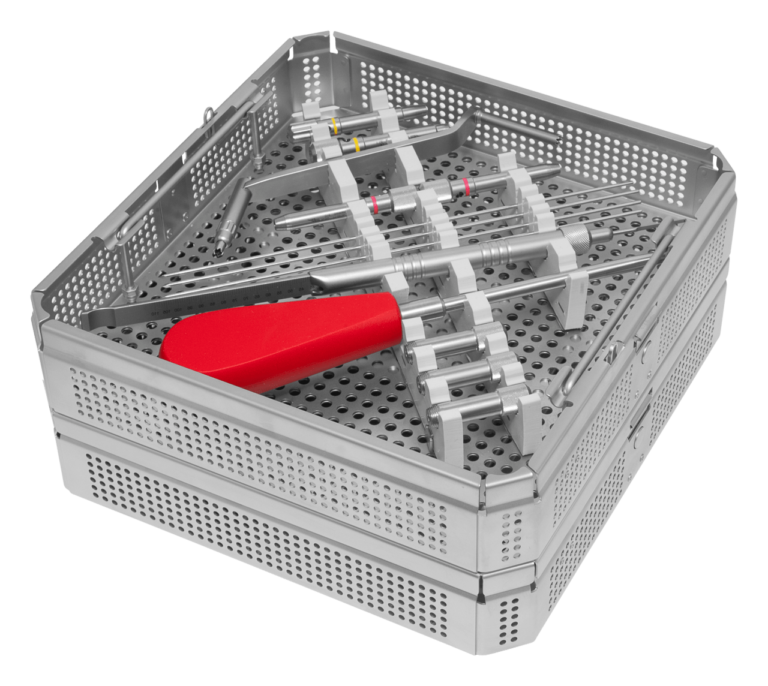
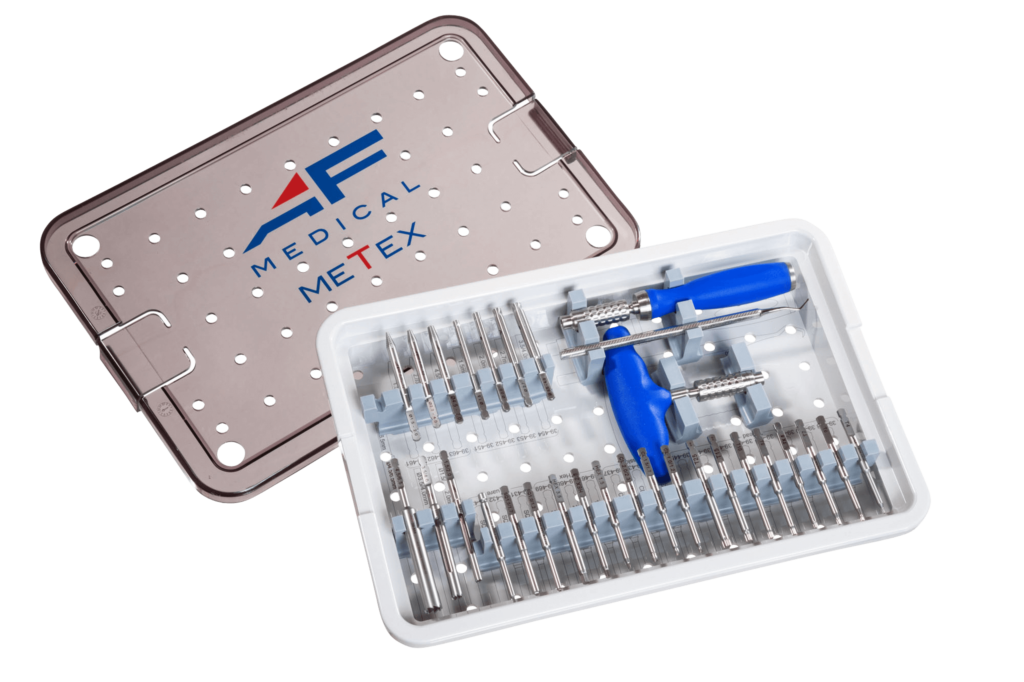
Orthopedic Surgical Instruments Drilling, tapping, plate positioning, screw insertion, reduction, alignment, and implant removal during foot and ankle surgery. Stainless steel, hardened steel, titanium alloy, aluminum alloy, or validated engineering polymers. Drill guides, depth gauges, taps, screwdrivers, forceps, reduction tools, plate benders, targeting guides, trays, and sterilization containers. Dimensional accuracy, drive engagement, handle ergonomics, corrosion resistance, repeat sterilization performance, and compatibility with implants. Instrument drawings, material certificates, cleaning and sterilization validation, maintenance instructions, inspection criteria, and compatibility statements. Confirm instrument completeness, ease of reprocessing, replacement-part availability, and compatibility with the selected implant portfolio.
Sterile Packaging and Procedure Sets Organization, protection, sterilization, transport, and operating-room preparation for implant and instrument systems. Medical-grade polymer trays, stainless steel containers, validated barrier materials, and protective inserts. Reusable instrument trays, sterile barrier packs, implant caddies, labeled compartments, and customized procedure kits. Barrier integrity, labeling durability, sterilization compatibility, tray loading, instrument retention, and transport protection. Packaging validation, shelf-life evidence, sterilization validation, labeling samples, barcode or UDI information where required, and reprocessing instructions. Review packaging under simulated shipping conditions and verify that labels meet the importing country’s language and traceability requirements.
Buyer Due-Diligence Note: Regulatory requirements vary by destination market. Buyers should independently verify the supplier’s quality-management certification, product classification, registration status, technical documentation, post-market surveillance process, and authorization to export the specific device configuration.