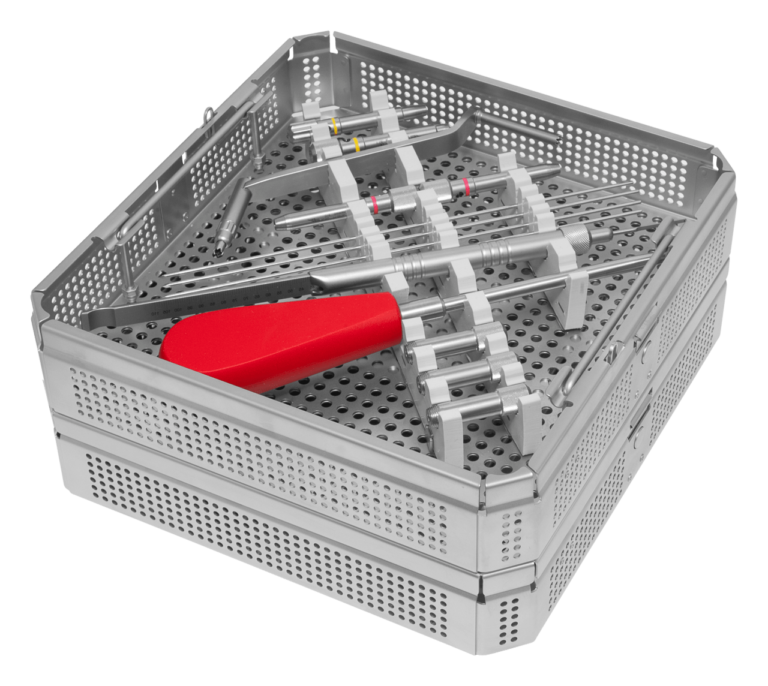
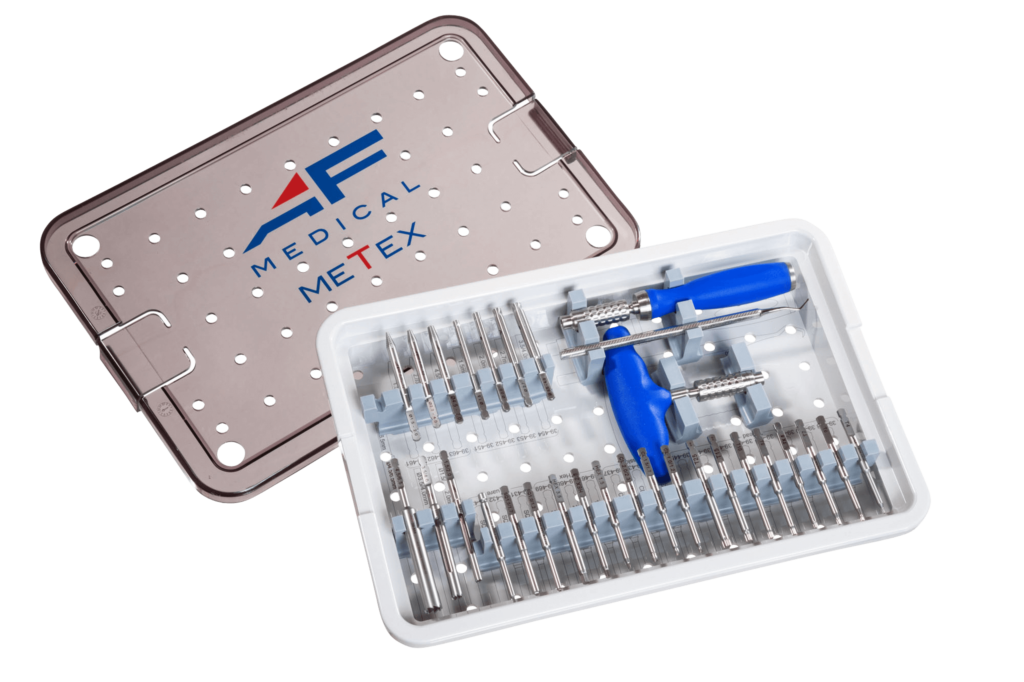
Choosing the best Fracture Fixation device is a clinical decision, not a catalog exercise. The right implant must match the fracture pattern, bone quality, soft-tissue condition, and patient’s daily demands. A locking plate may support fragile metaphyseal bone, while an intramedullary nail may better control a long-bone fracture. Screws, wires, and external fixation systems each have distinct roles.
Small details matter. Consider a comminuted fracture on a CT scan, with several unstable fragments and swelling around the skin. The device must provide stability without creating unnecessary tissue damage. Surgeons also assess implant strength, anatomical fit, insertion technique, imaging access, and the patient’s ability to follow rehabilitation instructions. Cost and inventory matter too, but they should not replace sound clinical judgment.
Sir Robert Jones, a pioneer in orthopedic surgery, stated, “The treatment of fractures is not a mechanical problem, but a biological one.” That principle still deserves attention. A strong implant cannot compensate for poor soft-tissue handling or inadequate healing conditions. It is not that simple.
This guide examines how specialists compare Fracture Fixation devices across common clinical situations. It considers evidence, surgical experience, manufacturer guidance, and patient-specific risks. Some choices remain uncertain. That uncertainty should be discussed openly, rather than hidden behind confident product language. Readers should use this information to support informed conversations with qualified orthopedic professionals, not to select an implant independently.
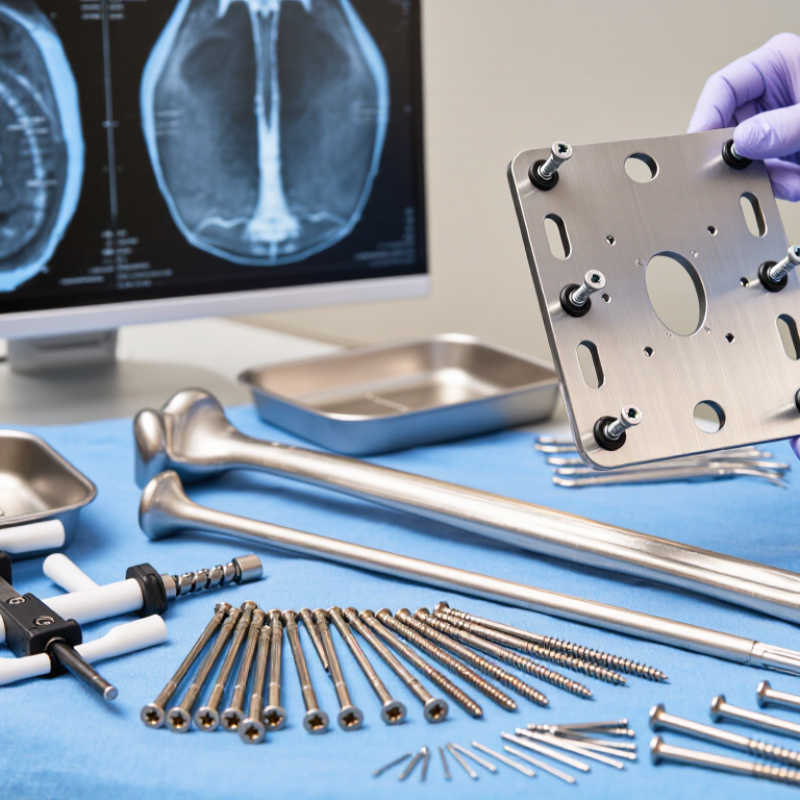
Hardware selection should begin with anatomy, not implant preference. The AO/OTA system identifies the bone, segment, fracture type, group, and subgroup. This structure turns a crowded radiograph into a reproducible description. The 2018 AO/OTA Compendium remains a key reference for this process.
Small details matter. A distal femur fracture may involve the joint, metaphysis, or both. Each pattern creates different stability demands. Surgeons should also record displacement, comminution, soft-tissue injury, bone quality, and patient activity. Classification alone cannot replace clinical judgment. It can, however, expose missing questions.
The numbers support careful planning. The Global Burden of Disease Study 2019 estimated 178 million new fractures worldwide in one year. It also reported about 455 million people living with fracture-related health problems. These figures show why consistent classification matters across hospitals and registries.
A practical workflow is to classify the fracture independently, compare imaging views, then test whether the proposed device matches the loading pattern. Not always easy. Sometimes the first classification changes after computed tomography or surgery. That is not failure; it is useful correction. Overconfidence is the greater risk.
Sources: AO/OTA Fracture and Dislocation Classification Compendium, 2018; Global Burden of Disease Study 2019, The Lancet.
Choosing a fixation device begins with understanding how forces will travel through the injured bone. A load-sharing construct allows the bone and implant to divide mechanical stress. It often suits simple fractures with good cortical contact and controlled compression. Intramedullary nails and compression constructs may work well when alignment remains stable during early healing.
Bone quality matters. In osteoporotic bone, weak purchase can reduce the reliability of a load-sharing design. A load-bearing construct may then carry more of the bending and torsional forces. It can be useful for metaphyseal fractures, severe comminution, segmental defects, or fractures with little cortical contact. The device must resist collapse while biology restores the missing support. More metal is not automatically better.
Imaging should guide the decision, but it cannot answer everything. Radiographs show alignment and fracture lines; CT may reveal hidden comminution or articular involvement. Clinical assessment also considers swelling, soft-tissue condition, patient activity, and expected rehabilitation demands. A long bridge construct may preserve blood supply, yet it can feel less forgiving when fixation points are limited. A stronger construct may protect alignment but increase stiffness and stress concentration. The fit is never perfect. Surgeons should reassess the plan during surgery and after follow-up imaging, because bone behavior can differ from the initial prediction.
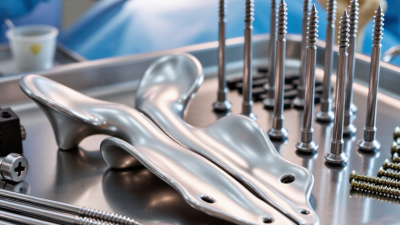
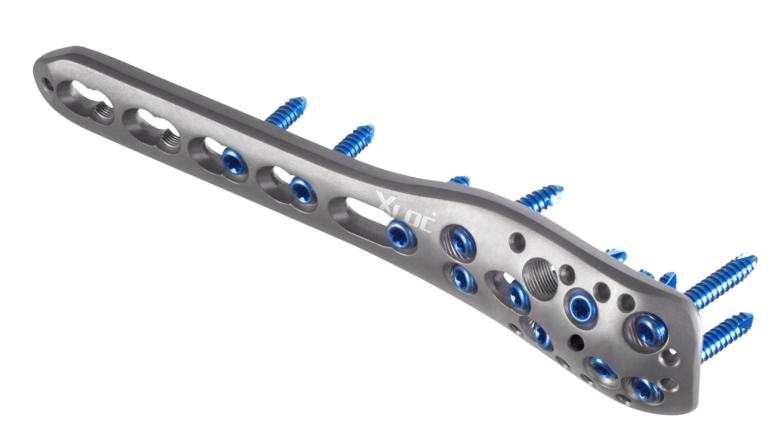
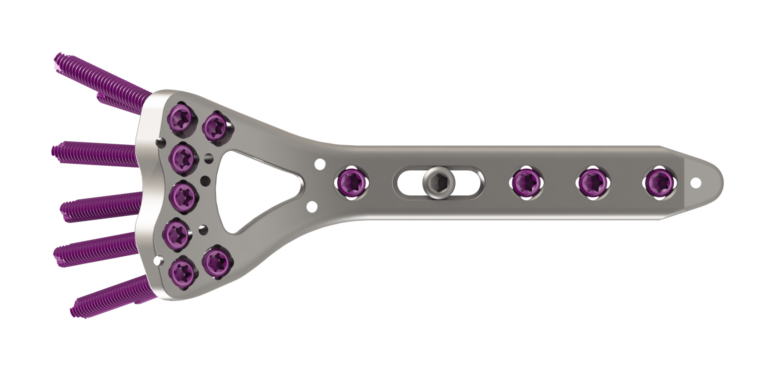
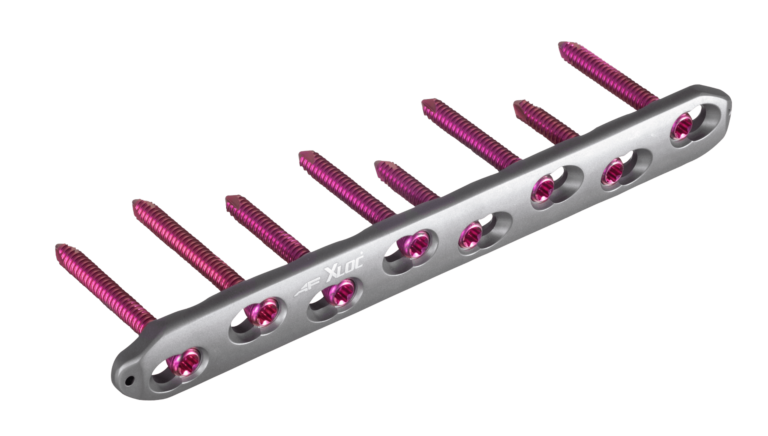
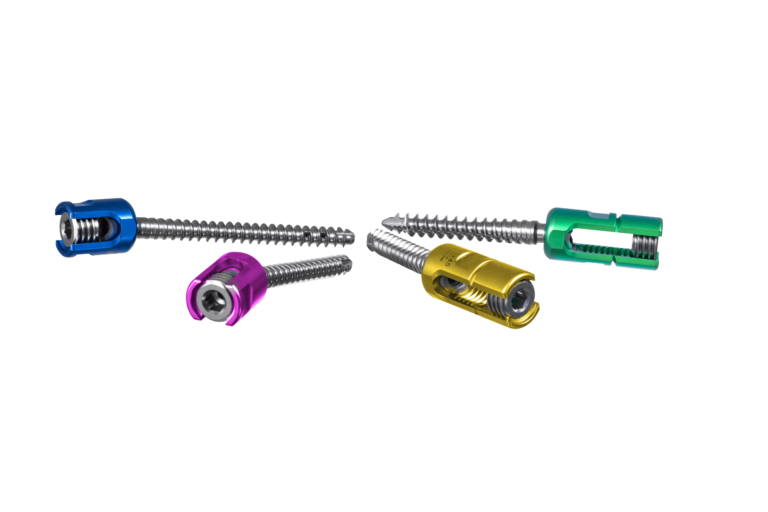
Choosing a fracture fixation device starts with the fracture, not the implant catalogue. The Global Burden of Disease 2019 study estimated 178 million new fractures worldwide, showing why indication-based decisions matter. Plates and screws suit many articular, metaphyseal, and periarticular fractures. They can restore alignment accurately, but extensive exposure may disturb fragile soft tissue. That trade-off is easy to underestimate.
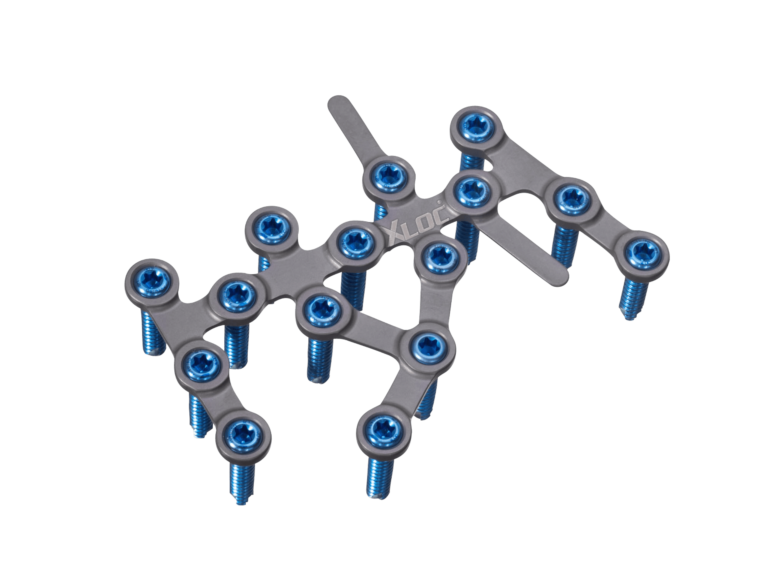
Intramedullary nails usually work well for many shaft fractures because they share load along the bone’s mechanical axis. They may also support earlier weight bearing, depending on stability and healing potential. Wires and pins remain useful for small fragments, pediatric injuries, temporary fixation, and minimally invasive control. Their thinner profile is helpful, but pin-site care cannot be treated as an afterthought. Small details matter.
External fixators are valuable when swelling, contamination, vascular injury, or severe soft-tissue damage makes internal fixation unsafe. Damage-control protocols described in orthopedic trauma guidance commonly use temporary fixation before definitive reconstruction. The 2023 National Trauma Data Bank Annual Report also reflects the complex injury patterns seen in modern trauma care, although it does not prove that one device is universally superior. Surgeon experience, bone quality, fracture biology, and patient compliance still influence outcomes. A nail can fail in poor alignment. A plate can fail when load sharing is misunderstood. No device is automatically the best.
Fracture care affects a large population. The World Health Organization reports that about 1.71 billion people live with musculoskeletal conditions worldwide. That scale makes material selection and verification more than paperwork. ASTM F543 evaluates metallic bone screws through insertion, removal, and torsional testing. Review torque curves, thread damage, and dimensional records, not only pass-or-fail results. Small differences matter.
ASTM F382 assesses metallic bone plates under bending, while ASTM F1264 addresses intramedullary fixation devices. These tests help compare stiffness, strength, and fatigue behavior. They do not predict every clinical outcome. A plate may survive a laboratory load but perform differently with poor bone quality or changing load cycles. That limitation deserves attention. Test reports should state specimen numbers, loading rate, fixtures, failures, and environmental conditions. Missing details weaken confidence.
ISO 10993 requires a biological evaluation based on intended use and patient contact. Screen cytotoxicity, sensitization, irritation, systemic toxicity, and material chemistry when relevant. ISO 10993-18 can support chemical characterization before biological testing. The FDA’s guidance on ISO 10993-1 also emphasizes a risk-based approach rather than automatic testing. Do not treat a familiar alloy as automatically safe. Manufacturing residues, coatings, and sterilization changes can alter risk. A practical review links ASTM performance data with ISO biological evidence, traceability, and post-market findings. Clean results can still mislead. Recheck assumptions.
How to Choose the Best Fracture Fixation Devices
A fracture fixation device should be checked against its FDA classification before clinical use. Most internal fixation systems are Class II devices, but classification can vary by intended use and design. The FDA 510(k) database can confirm clearance and predicate devices. However, 510(k) clearance demonstrates substantial equivalence, not superior healing, lower infection risk, or better long-term performance. That distinction is easy to miss.
Read the complete 510(k) summary, not only the clearance number. Check the anatomical site, materials, loading conditions, and listed limitations. FDA MAUDE reports can reveal fractures, migration, infection, and revision procedures. Yet MAUDE is a passive reporting system. It cannot calculate true complication rates. Underreporting remains possible.
Published clinical evidence adds needed context. A 2023 systematic review in Journal of Orthopaedic Trauma reported complication rates near 15% for several ankle fracture fixation approaches, although definitions differed between studies. Compare like with like. A superficial infection is not equivalent to implant breakage. Look for follow-up beyond twelve months, patient numbers, and loss-to-follow-up rates. My own checklist would still be imperfect. Surgeon experience, bone quality, smoking, and fracture complexity can change outcomes substantially. Choose evidence, not attractive specifications.
Verify FDA classification, 510(k) evidence, and reported complication rates
The devices shown are generally regulated as FDA Class II products and commonly cleared through the 510(k) pathway. The complication values represent selected outcomes reported in published clinical literature and are not directly comparable across indications, patient populations, or study designs. Review the exact device classification, predicate-device evidence, indications for use, and post-market safety information before making a selection.
Sources: U.S. FDA Product Classification Database and 21 CFR Part 888; selected published evidence including a systematic review of volar locking-plate complications, studies reporting anterior knee pain after tibial intramedullary nailing, and clinical literature reporting external-fixator pin-site infection rates.