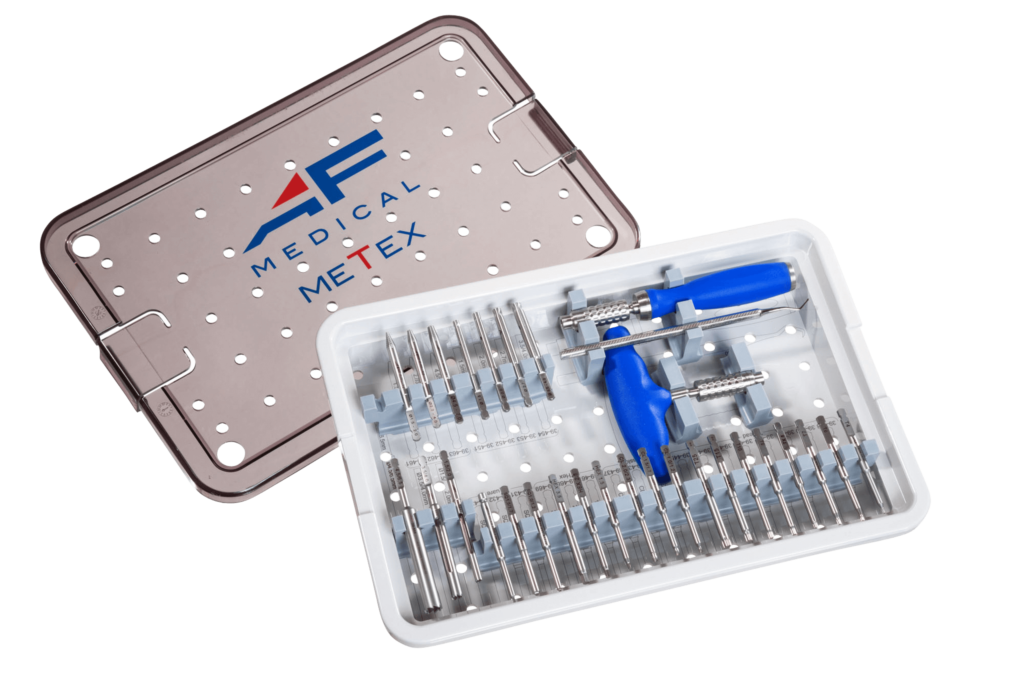
Choosing the best Spinal Surgery equipment is not a shopping exercise. It is a clinical decision involving safety, anatomy, workflow, and long-term value. A microscope may improve visualization, while navigation can support accuracy around delicate neural structures. Neither replaces sound judgment.
Industry data shows why this decision matters. Grand View Research reported that the global spinal implants market was valued at approximately USD 12 billion in 2023, with continued growth expected through the decade. Fortune Business Insights also identified rising spinal disorders, aging populations, and technology adoption as major market drivers. These figures describe demand, not proof of better outcomes. That distinction is easy to miss.
Spine surgeon Dr. Steven Garfin has emphasized a practical principle: “Technology is only as good as the surgeon using it.” Equipment should therefore match the procedure, team experience, and hospital resources. For example, a navigation platform needs reliable imaging, trained staff, regular calibration, and a clear backup plan. A costly system can become an expensive burden if maintenance is slow or disposable components are excessive.
Look beyond brochures. Examine published clinical evidence, ergonomic design, instrument durability, sterilization requirements, software updates, and vendor support. Ask how quickly a replacement handpiece arrives after failure. Ask whether the system integrates with existing tables and imaging devices. Small details matter.
No device is perfect. Surgeon feedback may be subjective. Market reports may also contain commercial bias. A careful selection process should acknowledge these limits, compare total ownership costs, and prioritize measurable patient outcomes over impressive features.
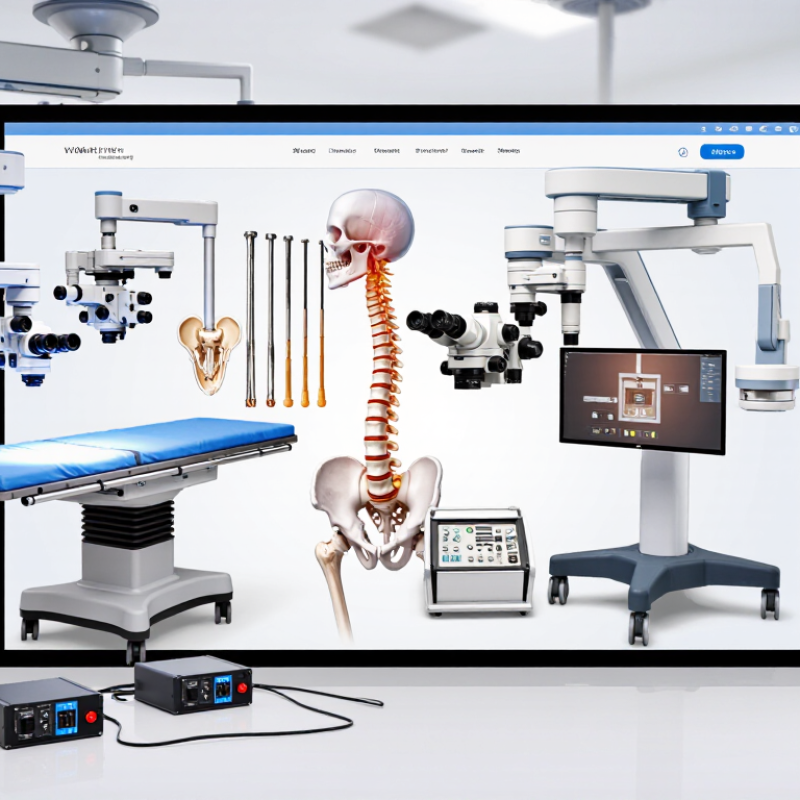
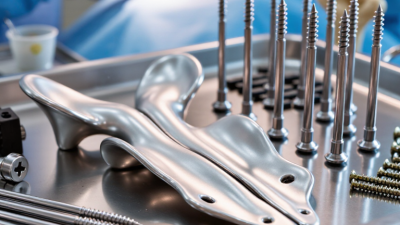
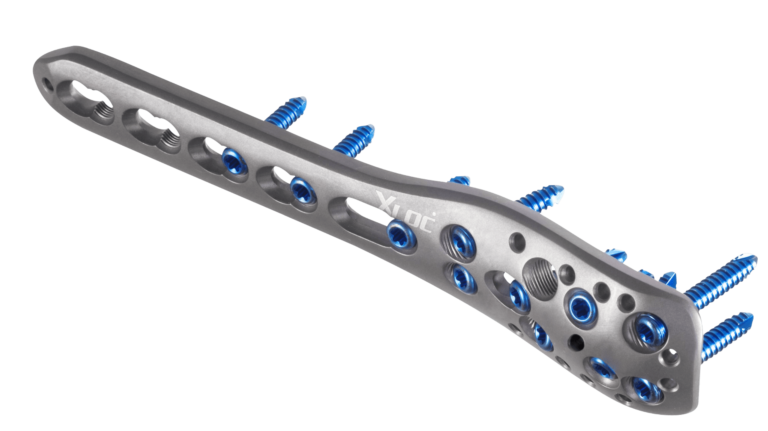
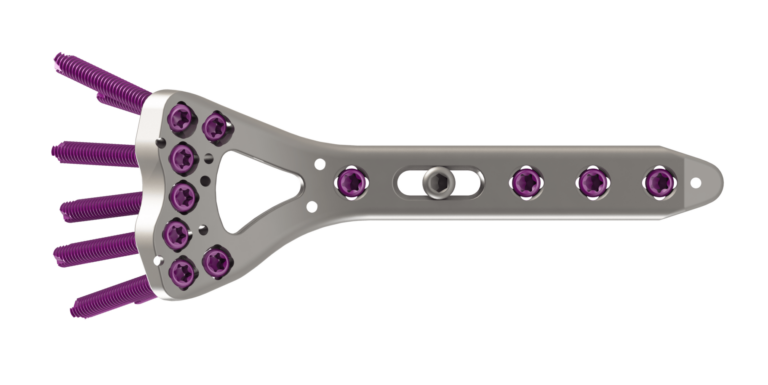
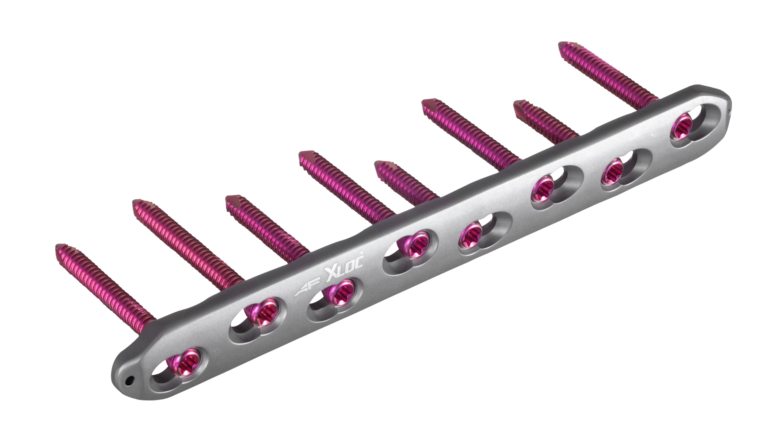
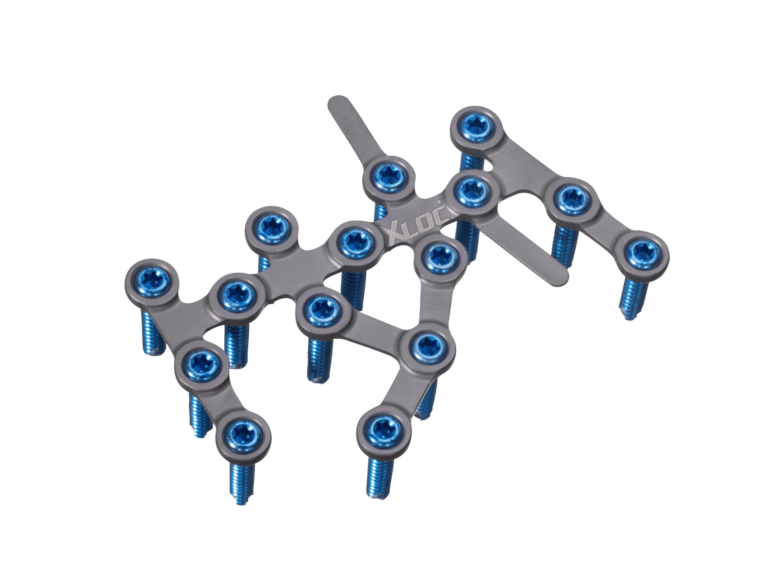
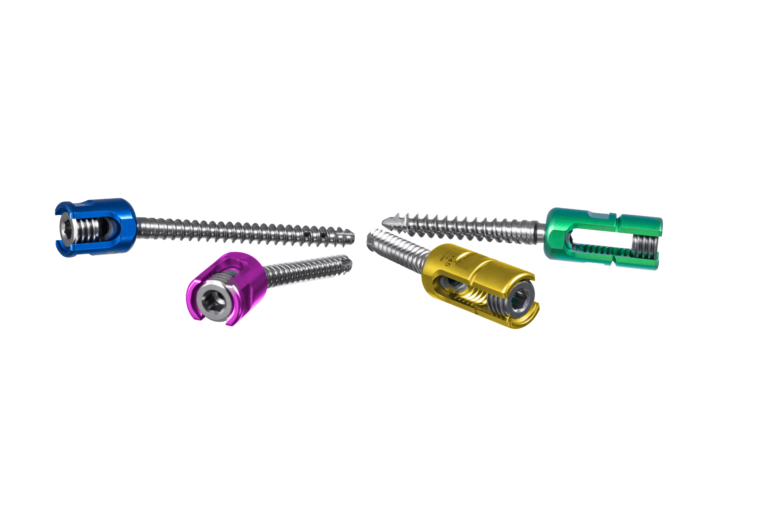
Spinal surgery equipment includes implants, surgical drills, retractors, microscopes, navigation systems, and neuromonitoring tools. Each type solves a different clinical problem. Implants support alignment and stability. Drills and retractors improve access around delicate nerves. Navigation systems can help surgeons confirm screw placement during complex procedures. According to Grand View Research, the global spinal surgery devices market was valued at over USD 13 billion in 2023. This growth reflects rising procedure volumes and demand for safer, less invasive techniques. However, market growth does not prove that every device improves patient outcomes.
Equipment selection should begin with anatomy, procedure type, and surgeon experience. A cervical procedure may require different retractors than lumbar fusion. A high-speed drill needs predictable control, low vibration, and easy cleaning. Neuromonitoring equipment should provide clear alerts without overwhelming the operating team. The FDA emphasizes appropriate device evaluation, documentation, and risk management before clinical use. Hospitals should also review maintenance records, training requirements, compatibility, and emergency backup plans. More technology is not always better. It can create new failure points.
Tips: Build a procedure-based checklist. Compare accuracy, ergonomics, sterilization, service support, and total cost. Ask surgeons and operating-room nurses to test the equipment in realistic simulations. Review published clinical evidence, not only manufacturer claims. No checklist is perfect. Reassess it after difficult cases, because practical lessons are easy to miss.

How to Choose the Best Spinal Surgery Equipment?
Evaluating Clinical Requirements and Surgical Applications
Spinal equipment should match the procedure, anatomy, and hospital workflow. WHO reported that low back pain affected about 619 million people in 2020. This burden does not justify purchasing complex systems without clinical evidence. A lumbar decompression may need reliable visualization and controlled tissue handling. A deformity correction may require navigation, correction instruments, and stable fixation tools.
Review the hospital’s actual case mix. Examine procedure volumes, revision rates, patient age, bone quality, and imaging access. Equipment must support both routine cases and difficult anatomy. Ergonomic handles, clear measurements, sterilization compatibility, and rapid setup can reduce avoidable delays. Clinical teams should also assess training needs and maintenance support. These details often matter more than impressive specifications. The Global Burden of Disease Study identifies low back pain as a leading cause of disability worldwide, but disability data alone cannot determine surgical demand.
Tips: Build a procedure-based checklist. Ask surgeons, nurses, and sterile-processing staff to test the equipment. Compare published clinical evidence, usability data, and total ownership costs. Confirm compatibility with existing imaging and operating-room systems. Never treat a sales demonstration as clinical proof.
A useful selection process should include a limited evaluation period and documented user feedback. Measure setup time, instrument availability, visualization quality, and unexpected workflow interruptions. The process may expose weaknesses in our original assumptions. That is valuable. Evidence can guide the decision, but local experience should challenge it when patient safety or practical use suggests otherwise.
How to Choose the Best Spinal Surgery Equipment?
Comparing Equipment Quality, Safety, and Compatibility
Choosing spinal surgery equipment requires more than comparing prices or technical specifications. Quality begins with precise construction, stable materials, and consistent performance during demanding procedures. Inspect joints, locking mechanisms, and instrument tips for looseness or rough edges. Small defects can affect surgical control.
Safety should be assessed through documented testing, sterilization instructions, and clear maintenance procedures. Ask how the equipment supports patient positioning, imaging access, and emergency adjustments. Staff should understand its operation before clinical use. Training matters. Traceability also matters. Each instrument needs reliable identification, inspection records, and a defined replacement process.
Compatibility is often underestimated. Confirm that instruments work with the intended implants, operating table, imaging system, and navigation equipment. Check connection sizes, radiolucency requirements, software versions, and sterilization methods. A technically advanced device may still be unsuitable in a crowded operating room. I have seen teams focus heavily on features while overlooking storage space and cleaning time. That mistake is easy to repeat. A practical evaluation should include surgeons, nurses, sterilization personnel, biomedical engineers, and procurement staff. Review independent test results and current regulatory documentation before purchase. Ask for realistic demonstrations, not only polished presentations. Test the equipment with gloves, drapes, and the room’s actual workflow.
Choosing spinal surgery equipment requires more than checking technical specifications. Usability affects every movement around the operating table. A well-designed system should allow quick height adjustment, stable positioning, and clear control feedback. Staff should reach essential functions without leaving the sterile field. Test the equipment with surgeons, nurses, and operating-room technicians. Watch how they prepare a patient, attach accessories, and respond to an alarm. Small delays become serious during long procedures. A device can be powerful yet awkward. That weakness matters.
Maintenance should be assessed before purchase. Ask how often inspections, calibration, cleaning, and software updates are required. Check whether technicians can access components without dismantling half the unit. Review service records, spare-part availability, and preventive-maintenance procedures. A clean cable path reduces trip hazards and supports daily inspection. Training must be practical, repeated, and role-specific. Use short demonstrations, supervised practice, and competency checks. Staff should understand normal operation, alarm responses, and safe shutdown steps. One briefing is rarely enough. People forget under pressure.
Tips: Create a scoring sheet for usability, maintenance, and training. Include actual setup time, cleaning time, and common error points. Ask staff to explain the controls in their own words. If they hesitate, the interface needs review. Reassess performance after three months of use. Early impressions can be misleading. Keep feedback honest, including inconvenient complaints.
Recommended evaluation weighting for assessing usability, maintenance, staff training, and operational safety during hospital procurement.
Usability and workflow integration receive the highest weighting because intuitive equipment can reduce setup errors and improve operating-room efficiency. Maintenance support and staff training are also essential for equipment availability, safe operation, and consistent clinical performance.
Choosing spinal surgery equipment requires more than comparing catalog prices. Purchase teams should calculate the total cost over several years. Include installation, staff training, maintenance, sterile accessories, software updates, and replacement parts. A low quote can still be expensive when service delays suspend operating-room schedules. Ask for a written warranty, repair rates, and expected equipment lifespan.
Regulatory checks should happen before clinical evaluation. Confirm that the device is registered for its intended use in your country. Review technical files, safety testing, traceability procedures, and instructions for cleaning or sterilization. Hospitals should also verify electrical safety and compatibility with existing imaging systems. Do not rely on a certificate alone. Its scope may not cover your procedure.
Supplier support can decide whether equipment remains dependable after installation. Request documented training for surgeons, nurses, and biomedical engineers. Ask how quickly technical staff respond, where spare parts are stored, and whether loan equipment is available during repairs. A service agreement should define response times and preventive maintenance visits. Speak with current clinical users when possible. Their experience may reveal recurring faults that sales materials omit.
A practical trial is essential.
During evaluation, observe setup time, instrument handling, and image clarity under real operating-room conditions. Record discomfort, confusion, and small workflow problems. These details are easy to dismiss, yet they often affect safety. My own preference would be cautious: newer technology may improve precision, but unfamiliar systems can create training costs and unexpected dependence on one supplier.
Practical comparison of commonly purchased spinal surgery equipment. Cost figures are indicative 2024–2026 international market ranges in USD and vary by configuration, region, taxes, installation, and service coverage.
| Equipment Category | Typical Clinical Use | Indicative Acquisition Cost (USD) | Recurring and Hidden Costs | Key Regulatory and Quality Checks | Supplier Support to Require | Selection Priority |
|---|---|---|---|---|---|---|
| Radiolucent Operating Table | Prone positioning, decompression, fusion, and intraoperative imaging. | $25,000–$100,000 | Specialized cushions, accessories, preventive maintenance, battery replacement, and staff training. | Electrical safety and essential-performance testing under applicable medical electrical equipment requirements; load capacity, stability, cleanability, and compatibility with imaging systems. | On-site installation, positioning training, preventive-maintenance schedule, spare parts availability, and documented repair response times. | High |
| High-Speed Surgical Drill System | Bone removal, decompression, laminotomy, and preparation around neural structures. | $15,000–$60,000 | Handpieces, cutting burs, irrigation tubing, sterilization containers, maintenance, and replacement batteries. | Valid market authorization; electrical and mechanical safety testing; validated cleaning, disinfection, and sterilization instructions; biocompatibility documentation for patient-contacting accessories. | Instrument demonstrations, sterile-processing training, loaner coverage during repair, service-center access, and guaranteed availability of consumables. | High |
| Intraoperative Neuromonitoring System | Monitoring motor-evoked potentials, somatosensory-evoked potentials, electromyography, and nerve responses. | $50,000–$150,000 | Disposable electrodes, stimulation accessories, software support, calibration, cybersecurity updates, and specialist staffing. | Applicable medical-device authorization; IEC 60601-related electrical-safety evidence; electromagnetic compatibility; software lifecycle and cybersecurity documentation; qualified clinical operation. | Clinical application training, protocol setup, remote technical support, annual calibration, software updates, and clear data-export and backup procedures. | Case-dependent |
| 3D Navigation and Image-Guidance System | Pedicle screw placement, deformity correction, minimally invasive access, and complex revision surgery. | $150,000–$500,000+ | Annual service contracts, software licenses, navigation accessories, imaging-system integration, disposable reference arrays, and staff training. | Regulatory clearance for intended indications; accuracy validation; software change control; cybersecurity controls; compatibility with imaging and hospital IT systems. | Workflow mapping, operating-room integration, application specialists for initial cases, uptime commitments, data-security documentation, and replacement-unit policy. | Volume-dependent |
| Intraoperative 2D/3D Imaging Equipment | Verification of alignment, implant position, and anatomy during spinal procedures. | $250,000–$1,000,000+ | Radiation-protection infrastructure, service contracts, calibration, software upgrades, image-storage integration, and disposable covers. | Radiation-emitting equipment licensing; acceptance and periodic performance testing; dose reporting; electrical safety; trained radiation users; compliance with local radiation-protection rules. | Room-planning survey, installation qualification, radiation-safety training, uptime guarantee, emergency service, and integration with PACS or DICOM workflows. | High for complex cases |
| Spinal Retractor and Access System | Tissue retraction and controlled access for open and minimally invasive spinal approaches. | $5,000–$35,000 | Blades, dilators, light cables, cleaning brushes, repair, and replacement of worn components. | Device registration where required; material and biocompatibility information; validated reprocessing instructions; dimensional accuracy and mechanical-strength verification. | Complete instrument-set inventory, tray-layout guidance, reprocessing education, rapid replacement of damaged parts, and surgeon-led trial evaluation. | High |
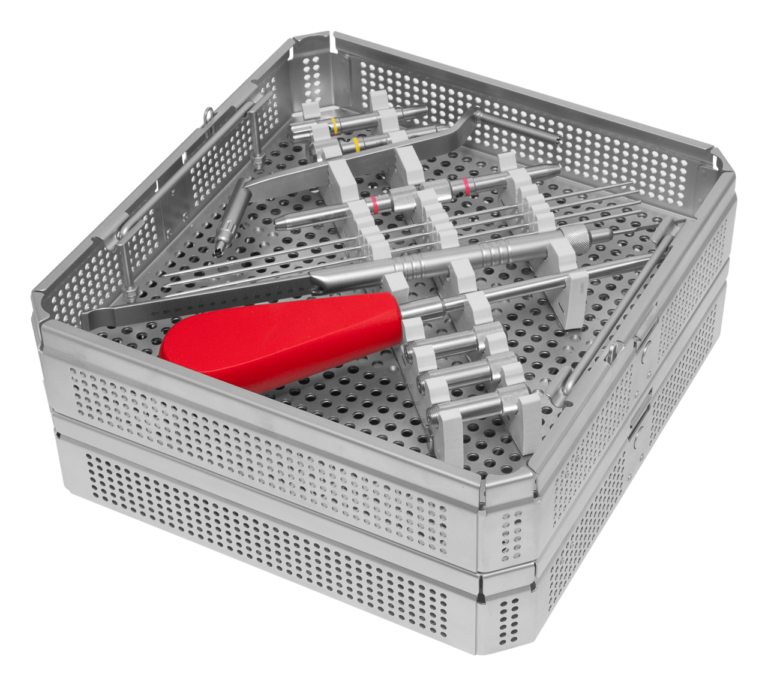
| Spinal Instrumentation Trial and Insertion Set | Preparation and insertion of screws, rods, connectors, and interbody devices. | $20,000–$100,000 per system | Implant inventory, sterile trays, loaner logistics, missing-instrument fees, sterilization, and instrument replacement. | Implant and instrument registrations; traceability and lot control; materials and biocompatibility; sterilization and reprocessing validation; compatibility only within approved system configurations. | Reliable case coverage, inventory management, set reconciliation, representative support when permitted, surgeon training, and documented field-safety notification procedures. | Very high |
| Bone Graft Delivery and Mixing Equipment | Preparation and controlled delivery of graft materials during fusion procedures. | $1,000–$15,000 for reusable equipment; $100–$2,000 per disposable kit | Single-use mixing and delivery kits, graft material, sterile packaging, and disposal. | Product-specific authorization; biological-material handling requirements; sterility, shelf-life, labeling, and traceability; no substitution outside approved instructions. | Consistent product availability, storage guidance, procedure training, batch traceability, and support for adverse-event reporting. | Procedure-specific |
| Sterile Processing and Instrument Tracking | Cleaning, sterilization, inspection, storage, and traceability of reusable spinal instruments. | $40,000–$250,000+ | Water treatment, detergents, biological indicators, maintenance, software subscriptions, and staff certification. | Validated cleaning and sterilization cycles; ISO 17664-based manufacturer instructions where applicable; steam sterilization validation under applicable standards; occupational-safety compliance. | Workflow qualification, cycle validation, preventive maintenance, audit-ready records, barcode or RFID integration, and rapid technical response. | Essential |
| Disposable Surgical Accessories | Sterile drapes, suction tubing, irrigation lines, electrodes, protective covers, and other procedure-specific accessories. | $50–$2,500 per procedure set | Recurring per-case expense, storage, expiry management, emergency shipments, and waste disposal. | Sterility assurance, shelf-life, packaging integrity, latex and material declarations, labeling, and compatibility with the associated equipment. | Stable supply, minimum-shelf-life commitment, lot traceability, alternative delivery plans, and transparent lead times. | Supply-critical |