Choosing among China’s top medical implant manufacturers requires more than comparing prices or viewing polished factory photos. Medical Implants affect bone integration, patient safety, surgical outcomes, and long-term trust. A reliable evaluation begins with product scope, manufacturing experience, and documented quality systems.
Look for evidence of ISO 13485 certification, appropriate NMPA registration, and relevant approvals in target markets. CE or FDA status should be verified for the exact product, not the entire company. Ask how the manufacturer controls titanium, cobalt-chrome, PEEK, ceramics, or other implant materials. Review supplier qualification, batch records, sterilization validation, and complaint-handling procedures. Real traceability matters.
Ask for clinical data.
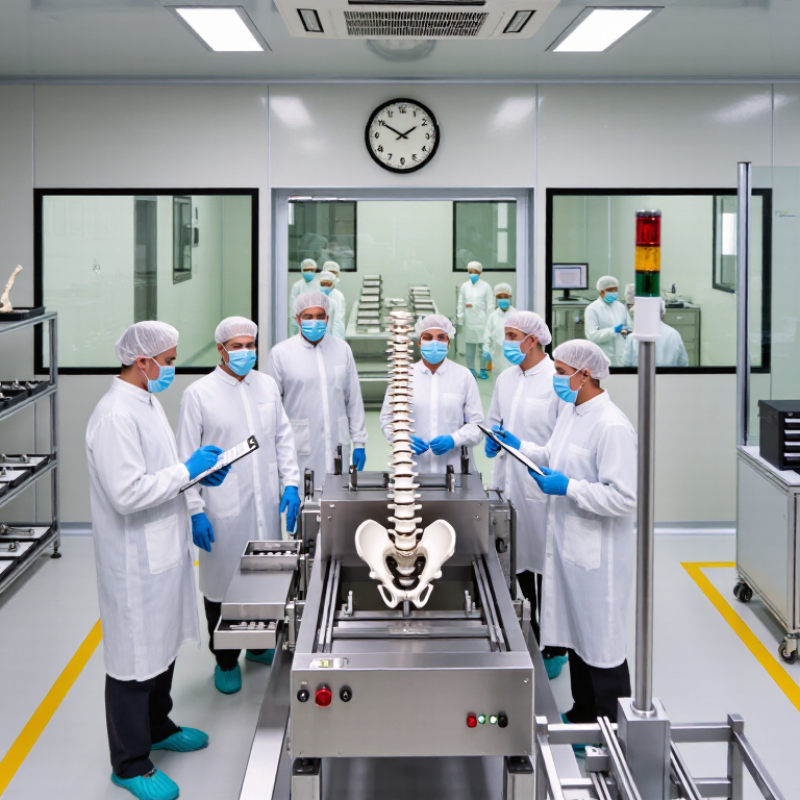
A factory audit can reveal details that brochures omit. Examine cleanroom discipline, CNC machining accuracy, surface-treatment controls, packaging areas, and calibration records. Speak with quality managers, not only sales representatives. Reliable manufacturers should explain design changes, nonconformity investigations, and product recalls without avoiding difficult questions. Their answers may show maturity.
Still, no checklist guarantees a perfect partner. Certification dates can expire. Public case studies may be selective. Even strong manufacturers can experience delays or inconsistent communication. Therefore, request samples, conduct independent testing, and begin with a controlled order. Define inspection standards, delivery terms, intellectual-property protection, and post-sale responsibilities in writing. The best choice is not always the largest supplier. It is the manufacturer that provides verifiable evidence, communicates clearly, and accepts scrutiny before patient safety is involved.
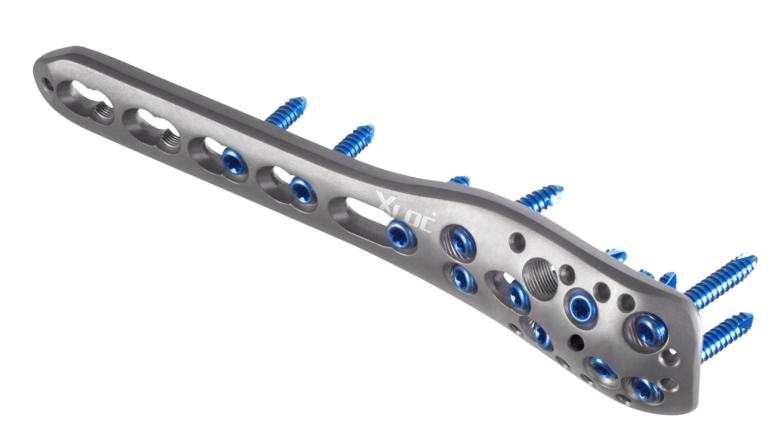
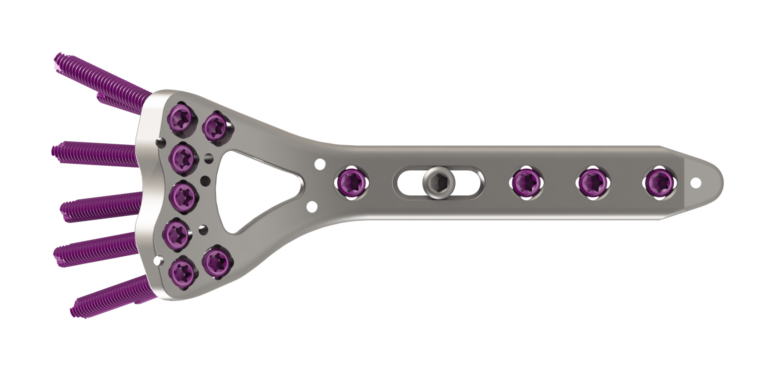
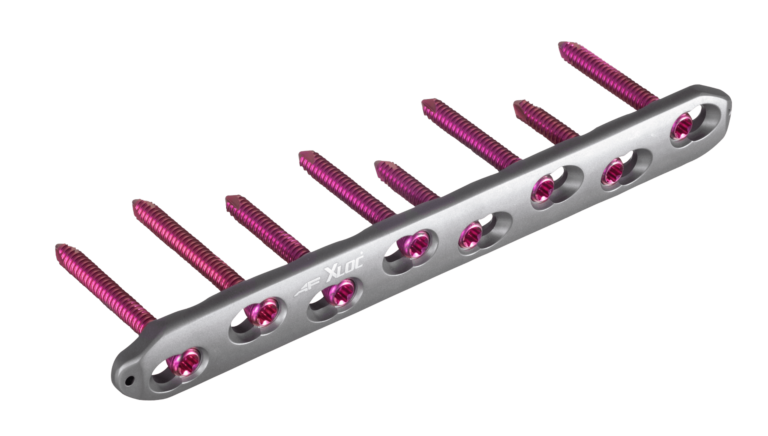
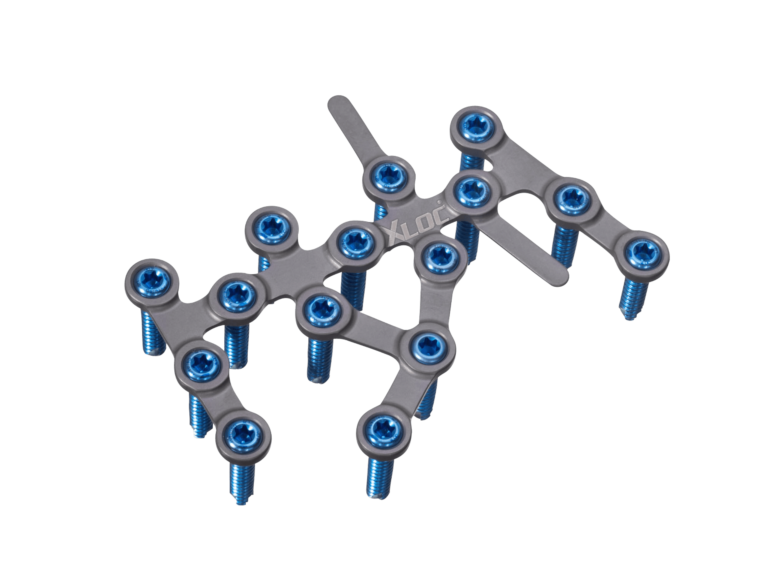
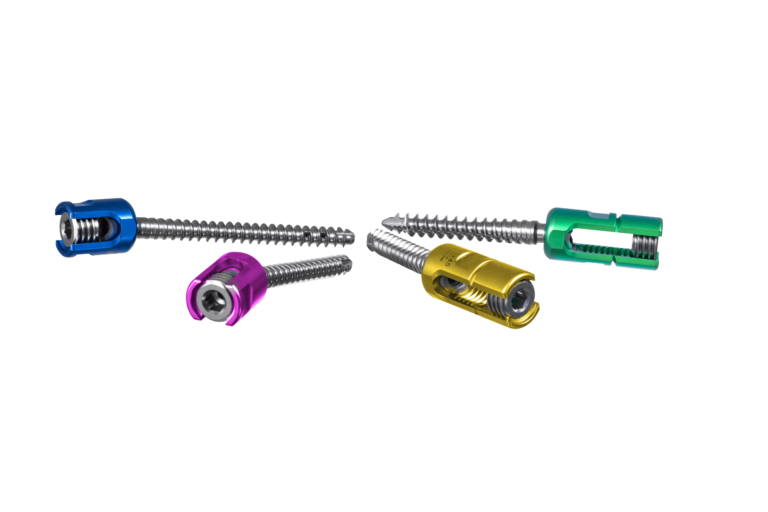
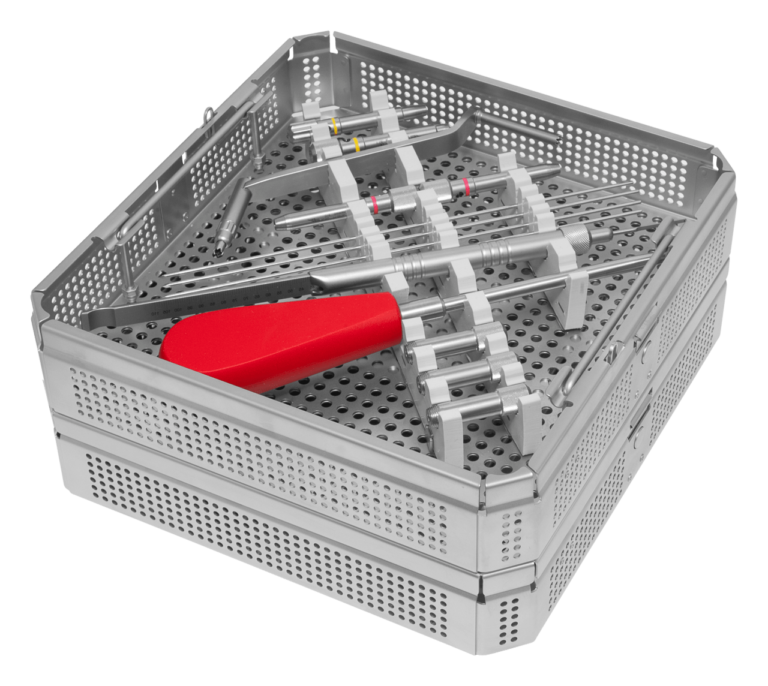
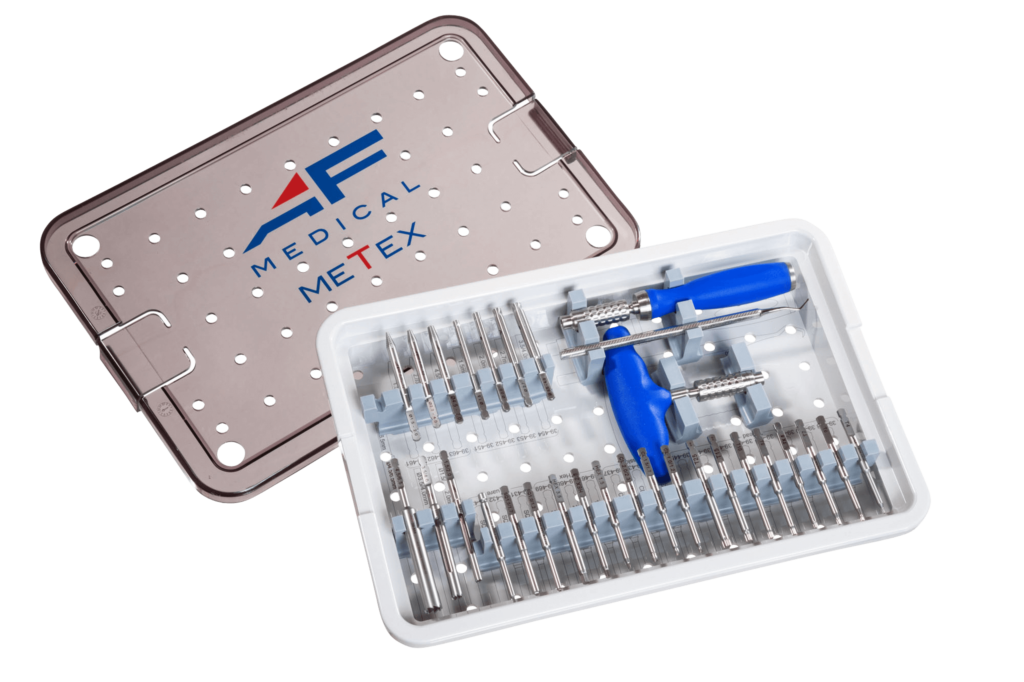
Chinese medical implant manufacturers produce a broad range of devices for orthopedics, dentistry, spinal care, cardiovascular treatment, and trauma repair. Orthopedic products include hip, knee, shoulder, and ankle replacements. Trauma systems often contain plates, screws, intramedullary nails, and external fixation components. Dental suppliers commonly make implants, abutments, crowns, and surgical guides.
Material selection affects safety and performance. Titanium alloys are widely used for bone fixation because they combine strength with relatively low weight. Cobalt-chromium alloys may suit demanding joint applications. PEEK appears in some spinal implants, while ceramic materials can support certain dental and joint designs.
Manufacturing details matter. Surface roughness, pore structure, machining tolerance, and sterilization methods can influence clinical results.
A serious buyer should examine more than a product catalogue. Request technical drawings, material certificates, biocompatibility data, sterilization validation, and batch traceability records. Check whether the quality system follows recognized requirements, such as ISO 13485, and verify market-specific regulatory documentation. Samples can reveal machining quality, but one sample proves little. This is where judgment becomes difficult. A lower price may reflect efficient production, or it may hide limited testing. Review clinical evidence, complaint records, and change-control procedures before approval. Ask how the supplier handles recalls, packaging damage, and unexpected design changes. Small details matter.
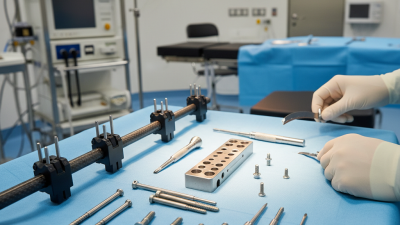
Choosing top medical implant manufacturers in China requires more than checking factory size or export volume. Look for ISO 13485 certification, valid product registrations, and documented compliance with destination-market requirements. Ask to review recent audit reports, calibration records, and quality-control procedures for critical dimensions. A polished certificate is not enough.
Experienced teams should explain material grades, machining tolerances, sterilization methods, and biocompatibility testing in clear language. Request batch-level traceability, from raw titanium or polymer intake to packaging and final release. Reliable suppliers can show nonconformance records and corrective actions without hiding uncomfortable details. That honesty matters. Review clinical evidence, usability feedback, and post-market surveillance data for comparable implants. If evidence is thin, ask why.
Visit the facility when possible, and observe environmental controls, operator training, inspection tools, and controlled document access. A strong manufacturer should support sample approval, change notification, complaint handling, and supply continuity. Check whether engineering staff respond precisely, rather than promising every specification immediately. This is easy to miss. I would also compare lead times with actual production capacity, not sales estimates. No supplier is flawless; inconsistent records may reveal weak systems before a serious issue appears.
Top Medical Implant Manufacturers in China: How to Choose?
For implant sourcing, regulatory compliance should be checked before price. The World Health Organization identifies more than two million medical device types worldwide. Implants require tighter controls because failure can cause lasting harm. Ask for the NMPA registration certificate, product technical requirements, and recent inspection records. Confirm that the certificate matches the exact model, material, and intended use.
Quality evidence must be practical. ISO 13485 certification is useful, but it is not proof of every product’s safety. The ISO Survey 2023 reported more than 30,000 ISO 13485 certificates worldwide. Still, certificates can cover only a defined site or scope. Review batch records, incoming-material tests, equipment calibration, and nonconformity trends. Check biocompatibility evidence under ISO 10993. For sterile implants, examine validation against ISO 11135 or ISO 11137. Ask how the manufacturer controls titanium, cobalt-chrome, polymers, or coatings.
Look closely at clinical and post-market evidence. Request traceability from raw material to finished package. Test whether the supplier can produce records quickly. Delays reveal weak systems. A polished audit room proves little. That judgment can be wrong. Independent laboratory reports, supplier audits, and sample testing provide stronger evidence. Review complaint handling and recall procedures with equal care. NMPA requirements, applicable Chinese GB standards, and destination-market rules should align before shipment. WHO’s Global Atlas of Medical Devices also shows how diverse device categories are, making product-specific verification essential.
Choosing a medical implant manufacturer in China requires more than checking a catalog. Technology should be judged through materials, manufacturing controls, testing records, and clinical evidence. Ask how the supplier manages imaging data, design changes, sterilization, and traceability. For orthopedic products, request fatigue, wear, corrosion, and biocompatibility documentation when relevant. Evidence matters. Review ISO 13485 certification and applicable Chinese and destination-market requirements. Do not accept certificates without verification.
Customization should be practical, not decorative. A capable engineering team can convert CT-based dimensions into controlled drawings and prototypes. Confirm revision approval, sample inspection, tolerances, and minimum order requirements before signing. Ask whether engineers can join design reviews with surgeons or hospital staff. Small design changes can affect fit, surgical time, and patient safety.
Pricing needs a complete view. Compare tooling, testing, packaging, shipping, regulatory documents, and post-market support. A cheap unit price may hide expensive validation work. During one procurement review, I focused too heavily on the quotation and missed support response times. That was a useful mistake. Measure how quickly technical questions receive documented answers. Also check complaint handling, replacement procedures, training, and service coverage across time zones. Ask for audits or remote quality reviews, but verify every certificate with the issuing body. Reliable suppliers explain limitations clearly. Some will not.
| Evaluation Dimension | Comparable Data or Benchmark | What to Check | Recommended Evidence |
|---|---|---|---|
| Quality Management System | ISO 13485 certification and an active medical-device quality system | Certificate scope, manufacturing site, validity period, complaint handling, CAPA, change control, and traceability | Current certificate issued by an accredited certification body, audit records, and sample batch records |
| Materials and Biocompatibility | Material selection should match the intended anatomical location, duration of contact, and sterilization method | Titanium alloys, cobalt-chromium alloys, stainless steel, PEEK, ceramics, polymers, coatings, corrosion resistance, and traceable raw-material certificates | Material certificates, chemical characterization, supplier qualification records, and ISO 10993 biological-evaluation documentation where applicable |
| Design and Engineering Capability | Ability to convert clinical requirements into controlled drawings, specifications, tolerances, and risk controls | CAD capability, design-for-manufacturing review, finite-element analysis where relevant, design verification, validation, and design-history documentation | Design dossier sample, risk-management file aligned with ISO 14971, verification protocols, and approved engineering-change procedures |
| Manufacturing Technology | Process capability should be demonstrated through validated processes and measurable inspection results | CNC machining, additive manufacturing, forging, molding, coating, surface treatment, cleaning, packaging, and in-process inspection | Process-validation reports, equipment-calibration records, inspection plans, capability studies, and nonconformance data |
| Customization Capability | Customization may include dimensions, geometry, surface finish, packaging, labeling, and instrument compatibility | Minimum order quantity, prototype process, revision control, tooling ownership, patient-specific design workflow, and engineering-change fees | Written customization workflow, sample drawings, prototype approval form, tooling agreement, and change-order template |
| Regulatory Support | Support should cover the target market, device classification, technical documentation, testing, and post-market obligations | China NMPA requirements, and additional requirements for markets such as the EU, United States, United Kingdom, or other jurisdictions | Regulatory responsibility matrix, test reports, product-registration support plan, and document-control procedure |
| Sterilization and Packaging | Sterilization method and packaging system must be validated for the specific product and claimed shelf life | Ethylene oxide, radiation, steam, or supplied-nonsterile configuration; packaging integrity, transport simulation, and sterile-barrier performance | Applicable sterilization validation, ISO 11607 packaging evidence, shelf-life data, and environmental-monitoring records |
| Pricing Structure | Total cost should be compared using the same specification, order quantity, Incoterm, and regulatory scope | Unit price, tooling, engineering, testing, sterilization, packaging, inspection, documentation, freight, duties, and after-sales costs | Itemized quotation with currency, validity period, payment terms, minimum order quantity, tooling ownership, and excluded costs |
| Lead Time and Capacity | Lead time should be separated into design, prototype, testing, production, sterilization, and shipping stages | Available production capacity, bottleneck processes, backup equipment, raw-material availability, and contingency planning | Project schedule, capacity statement, production plan, on-time-delivery history, and business-continuity plan |
| Inspection and Testing | Inspection criteria must be defined before production and linked to product risks and specifications | Dimensional inspection, mechanical testing, surface analysis, cleanliness, packaging inspection, sampling plans, and release criteria | Inspection reports, calibrated equipment list, certificate of conformance, lot-release records, and independent laboratory reports where needed |
| Technical Communication | Clear communication reduces specification errors and uncontrolled changes | Dedicated project manager, response time, English documentation, meeting records, escalation process, and change-notification policy | Communication service-level agreement, document templates, escalation contacts, and sample project reports |
| After-Sales and Post-Market Support | Support should continue through complaint handling, corrective actions, field issues, and product changes | Warranty terms, replacement policy, complaint-response process, field-action support, spare-part availability, and training | Quality agreement, warranty policy, complaint form, response-time commitments, and anonymized corrective-action examples |
| Supplier Selection Score | Use a weighted score instead of choosing solely by unit price | Suggested weighting: quality and regulatory compliance 30%; technology 20%; customization 15%; delivery 15%; total cost 10%; support 10% | Score each supplier from 1 to 5, document evidence for every score, and require corrective actions for critical gaps |
Note: Pricing, lead time, regulatory responsibilities, and testing requirements vary by implant type, risk classification, material, order volume, and destination market. All commercial and compliance information should be confirmed in a written quotation and quality agreement.
Selecting a reliable medical implant manufacturer in China requires more than comparing prices. Start by checking product scope, manufacturing history, and regulatory records. The World Health Organization reports more than two million medical device types worldwide, making category-specific experience essential. An orthopedic implant supplier may not understand dental or cardiovascular requirements.
Request evidence of an effective ISO 13485 quality system, not only a certificate. Review design controls, sterilization validation, biocompatibility testing, and traceability from raw titanium to finished packaging. China’s National Medical Products Administration has reported more than two million registered medical devices nationwide, so registration status should be verified for each intended product. Ask for registration details, inspection records, and recent corrective-action reports. Do not rely on a presentation.
Audit the facility, either directly or through a qualified third party. Observe cleanroom behavior, machining controls, inspection equipment, and batch-release procedures. Speak with quality engineers, not only sales staff. Independent testing should confirm dimensions, fatigue performance, surface treatment, and sterilization safety. The FDA’s annual quality and recall data repeatedly show that process failures can matter as much as design defects. That point is easy to underestimate.
Evaluate communication during sampling. Are technical questions answered with controlled documents and dates? Can the manufacturer explain failure limits honestly? A perfect factory visit proves little. I would also test a small pilot order, although this adds time and cost. Clear agreements should define change control, complaint handling, audit access, and retention of production records. A low quotation is useful only when the hidden quality risks are understood.