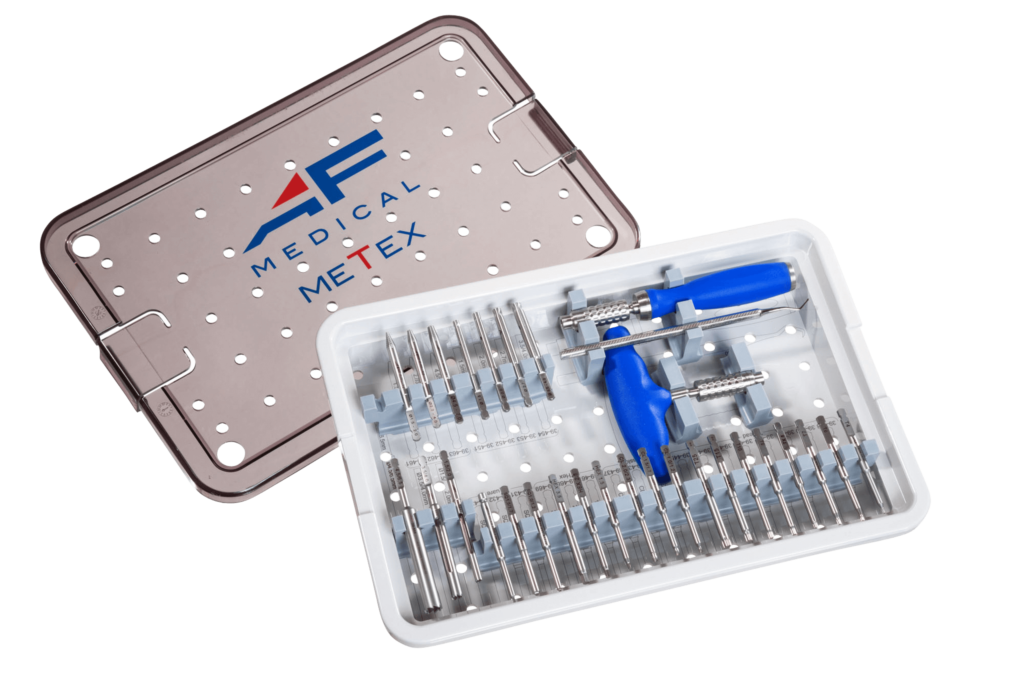
How to Choose Upper Extremity Surgery Instruments in 2026
Choosing instruments for Upper Extremity Surgery in 2026 starts with the procedure, not a catalog. A hand fracture, wrist reconstruction, and shoulder repair each demand different access, control, and visualization. The right set should match the anatomy and planned technique, while allowing the surgeon to respond safely if the procedure changes. Small details matter. A narrow retractor may improve access in a confined field; a poorly balanced driver can make repeated fixation less comfortable.
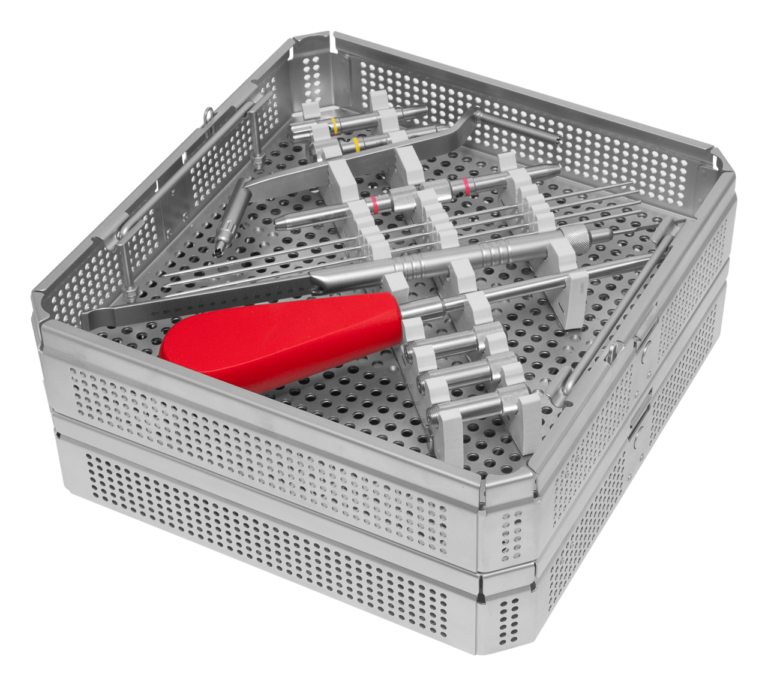
Evaluate function, fit, and reliability together. Check instrument dimensions, grip, working length, and compatibility with implants or powered systems. Confirm cleaning and sterilization instructions, available service support, and the manufacturer’s current guidance before purchase. Ask the surgical team to handle samples where possible. A tray can look complete on paper and still feel awkward in use. That takes judgment. Needs also differ between hospitals, specialties, and individual surgeons, so a universal “best” set is unlikely.
This guide offers a practical framework for comparing options in 2026, including procedure-specific requirements, ergonomics, durability, and value over time. Give attention to what the instruments must do under real operating-room conditions, not just their listed features. Some decisions remain uncertain until a team tests the tools in context; that is worth acknowledging. Use current clinical standards and institutional protocols, and involve qualified surgeons, nurses, sterile-processing staff, and procurement professionals in the review. A careful choice can support consistent technique, but instruments alone do not determine outcomes.
Define the Procedure and Anatomical Region
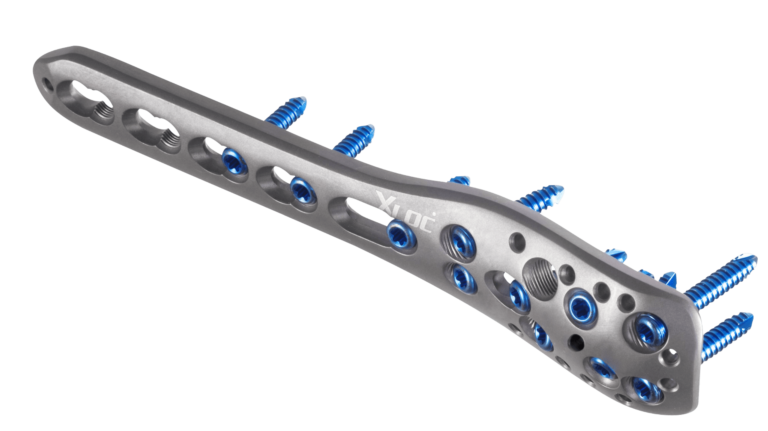
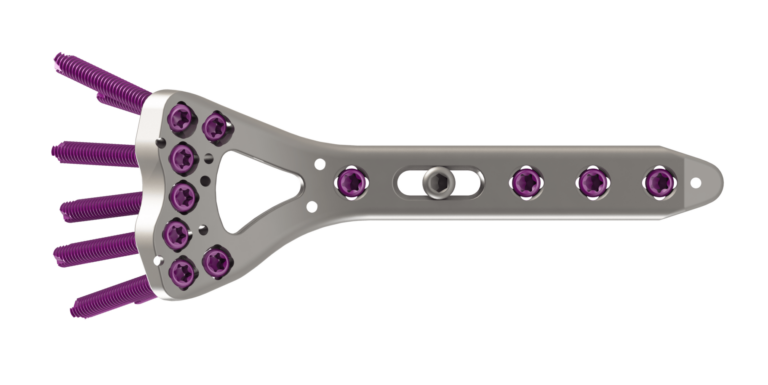
Begin with the exact operation, not a generic “upper-extremity” tray. A distal-radius fixation needs small-fragment plates, fine clamps, and drivers suited to narrow screw heads. A shoulder arthroplasty requires different retractors, broaches, and trial components. Elbow reconstruction has its own exposure and implant needs. Specify the side, target bone or joint, and planned technique; then confirm the surgeon’s preferences and available backup instruments.
Anatomy changes what matters. Around the wrist, compact instruments help preserve a clear view of tendons and small bones. At the elbow, instruments must allow controlled access near nerves and vessels. In the shoulder, deep exposure and implant sizing shape the setup. AHRQ’s HCUP Statistical Brief 165 reported 66,485 U.S. inpatient shoulder-arthroplasty stays in 2011, compared with 10,000 in 2000. The figures are historical, but they show why shoulder procedures deserve distinct planning. The AAOS 2024 AJRR Annual Report also tracks shoulder arthroplasty separately, rather than treating all joint replacement as one category.
Check the actual procedure plan against the instrument list before opening trays. Confirm sizes, compatibility, and sterile backup options. Small detail. A tray can look complete yet lack the drill guide needed for the chosen plate. I would still question any checklist that groups hand, elbow, and shoulder instruments together; it is convenient, but anatomically vague.
Identify the Required Instrument Categories
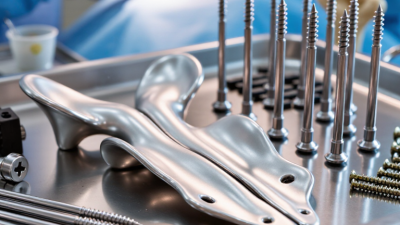
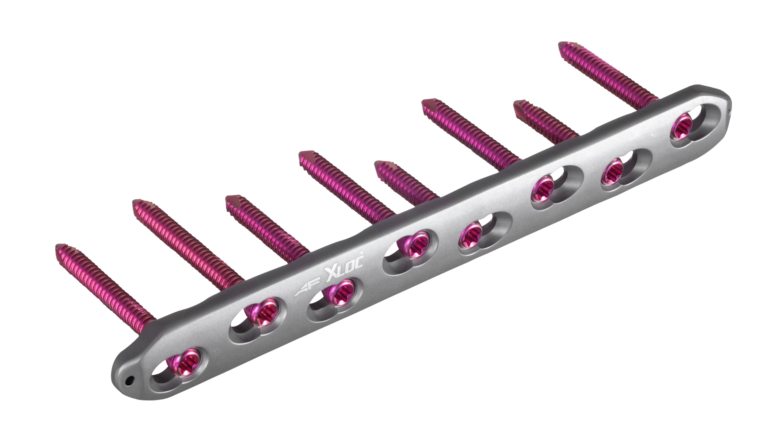
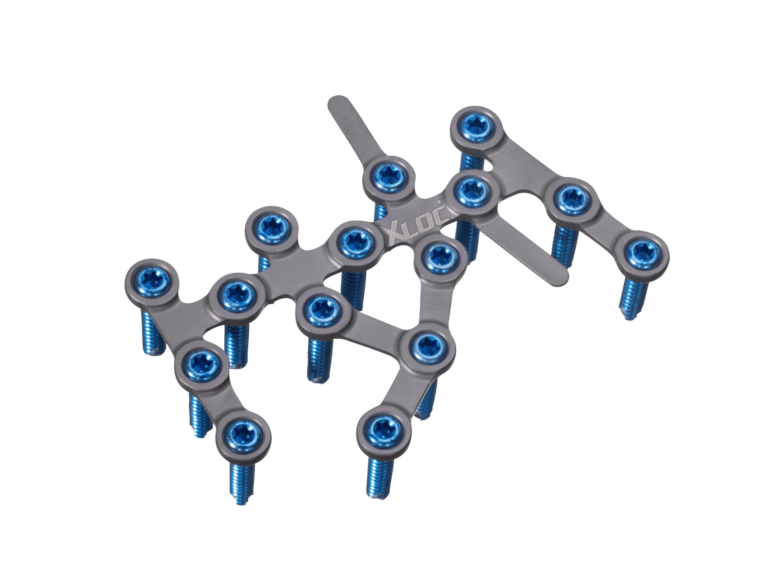
Choose instrument categories from the planned procedure, not from a generic “upper-extremity” label. A distal-radius fixation set may need reduction clamps, drill guides, and a plate-specific driver. A tendon repair requires fine forceps, needle holders, and delicate scissors. Shoulder arthroscopy calls for cannulas, probes, graspers, and powered tools. Small parts matter.
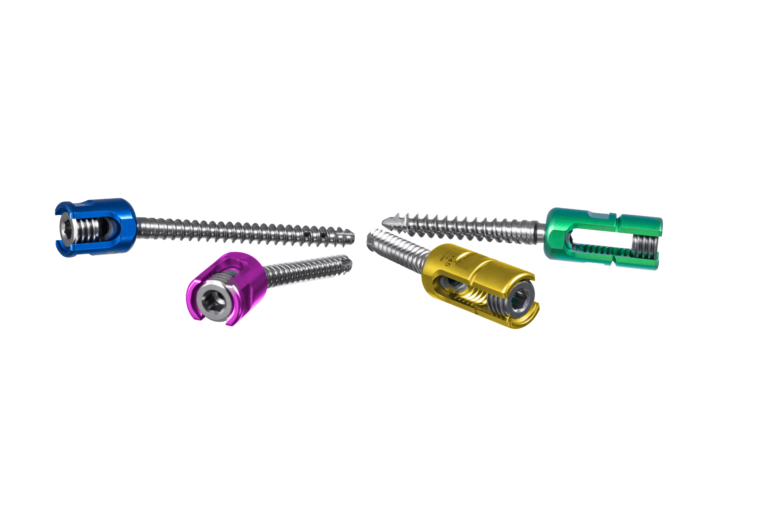
Grand View Research estimated the global orthopedic surgical instruments market at roughly US$15 billion in 2023. That market figure describes the wider sector, not a clinical reason to buy more equipment. For each case, map the required categories: exposure and retraction, cutting and dissection, drilling or bone preparation, fixation, and—where relevant—microsurgical or arthroscopic tools. Confirm compatibility between drivers, bits, implants, and power systems before assembling the tray.
Processing requirements belong in the choice, too. The World Health Organization’s 2016 surgical-site-infection guideline reported a pooled incidence of about 11.8 infections per 100 surgical patients across studies from low- and middle-income countries. That figure is not specific to arm surgery, but it reinforces the need to select instruments that can be cleaned, inspected, and sterilized as intended. Check narrow lumens, hinged joints, and fine tips; they can be easy to overlook. A practical tray list may still need revision after a real case.
How to Choose Upper Extremity Surgery Instruments in 2026
Identify the required instrument categories
Bars count the representative instrument examples listed for each category in this overview—not market data or a recommended quantity for a surgical set. Select instruments according to the procedure, anatomy, surgeon preference, and facility requirements.
Match Instrument Design to Surgical Tasks
Match each instrument to the tissue and movement it must handle. For tendon repair, fine, atraumatic forceps help control delicate tissue; a needle holder should secure the chosen suture without obscuring the field. For fracture fixation, select clamps and drivers that fit the bone, approach angle, and planned implant. Small joints and narrow exposures often reward a slim profile. Not just reach. Check grip texture, balance, and whether the instrument can be repositioned without twisting the wrist.
Reprocessing matters, too. The World Health Organization’s 2016 Global Guidelines for the Prevention of Surgical Site Infection report SSI rates ranging from 0.5% to 15%, depending on procedure and setting. That range is not a measure of instrument risk alone, but it reinforces the need to consider cleanability, disassembly, and validated processing instructions. The WHO also estimates 313 million major surgical procedures occur worldwide each year, underscoring the importance of dependable instrument workflows. Ask how often a tool is used, whether its joints trap debris, and if its size suits the actual anatomy—not only the catalog illustration. No tray is perfect. A detail worth questioning: surgeons may prefer familiar tools even when a different profile offers clearer access. Test representative instruments in a simulated setup, then review feedback from surgeons and sterile-processing staff.
Evaluate Safety, Sterility, and Compatibility
How to Choose Upper Extremity Surgery Instruments in 2026
For hand, wrist, and elbow procedures, assess each instrument at the point of use. Check that jaws meet evenly, ratchets engage smoothly, and handles provide control with gloved hands. Look closely at hinges and narrow channels, where soil can remain after cleaning. Small details count. A loose joint or worn coating may affect handling and make inspection harder.
Sterility depends on a validated reprocessing pathway, not just an autoclave cycle. Confirm that the instrument’s instructions cover your facility’s cleaning equipment, detergents, packaging, and sterilization method. The FDA’s 2015 guidance on reprocessing medical devices emphasizes clear, validated instructions for reusable devices. WHO’s 2016 Global Guidelines for the Prevention of Surgical Site Infection cite an estimated 11.2 surgical-site infections per 100 patients in low- and middle-income countries. This is not a device-specific risk figure, but it underscores why dependable reprocessing matters.
Tips: Before purchase, compare the instructions for use with your actual washer and sterilizer cycles. Test the instrument’s fit with intended accessories and imaging workflows. Record inspection findings and reprocessing failures. A practical checklist can miss subtle wear, so reassess it with sterile-processing staff and surgeons.
Assess Quality, Training, and 2026 Procurement Needs
For 2026, assess upper-extremity instruments at the point of use, not just on a specification sheet. Check jaw alignment, smooth ratchets, secure handles, and clear visibility in a crowded tray. Small details matter. Ask surgeons and sterile-processing staff to trial the set with gloves and under realistic lighting. A comfortable grip for one clinician may strain another’s hand.
Training and reprocessing belong in the same procurement discussion. The WHO’s 2016 Global Guidelines for the Prevention of Surgical Site Infection report that
up to 11% of patients undergoing surgery in low- and middle-income countries develop an infection.
This is not an instrument-failure rate. It does reinforce the need for reliable cleaning, inspection, and sterilization workflows. Confirm that staff can identify delicate tips, disassemble components when required, and spot wear before instruments return to service.
For 2026 budgets, compare lifecycle costs, repair turnaround, replacement availability, and compatibility with existing trays and sterilizers. Request documented material and maintenance specifications, then track repairs and inspection failures after purchase. Fit is personal. A scoring sheet helps, but it may miss awkward access to a small joint or a handle that feels secure only during a short trial. Keep room for feedback after real cases.