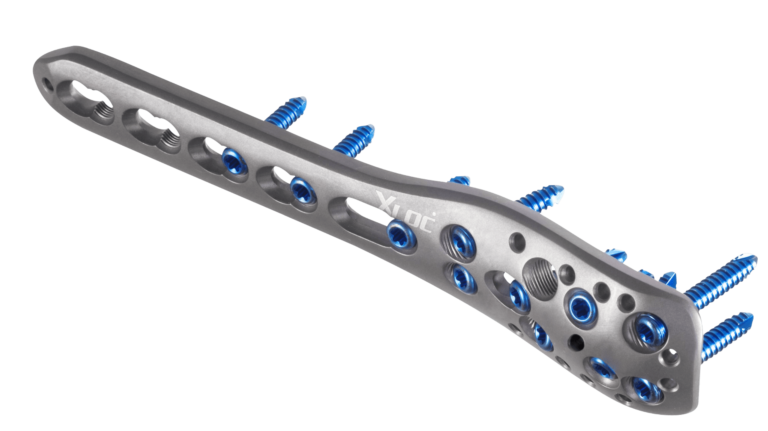
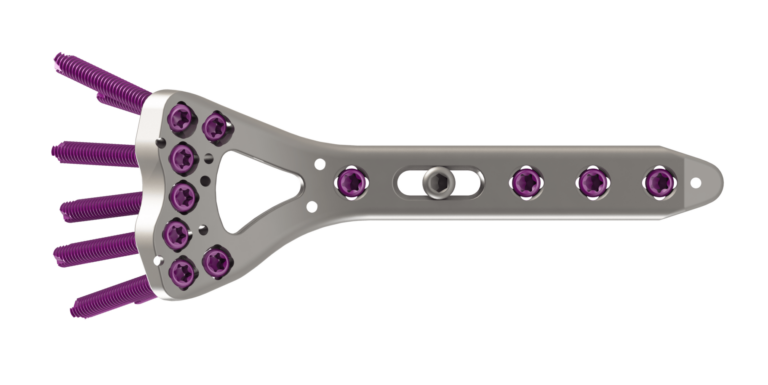
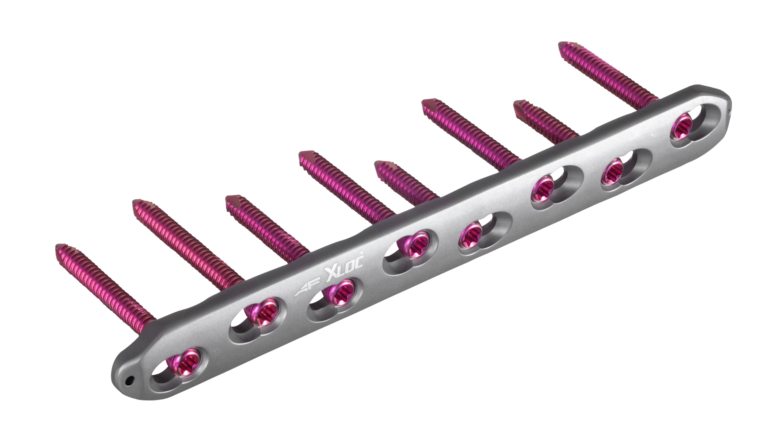
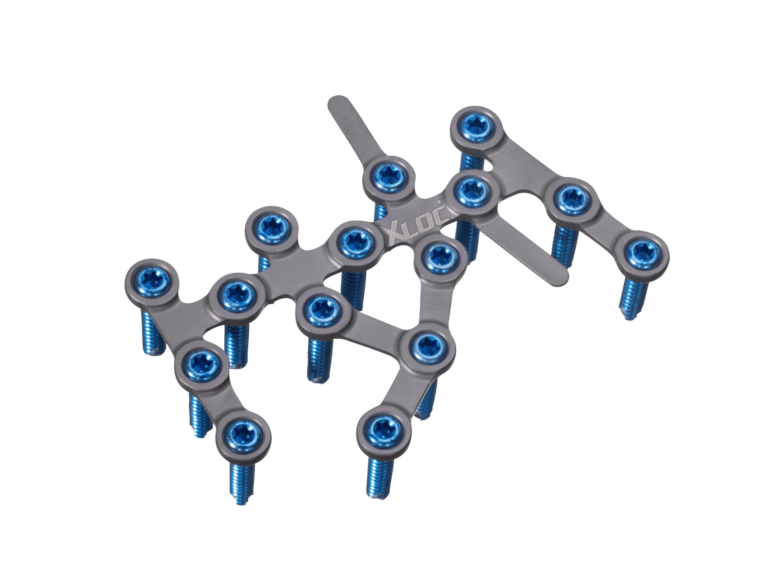
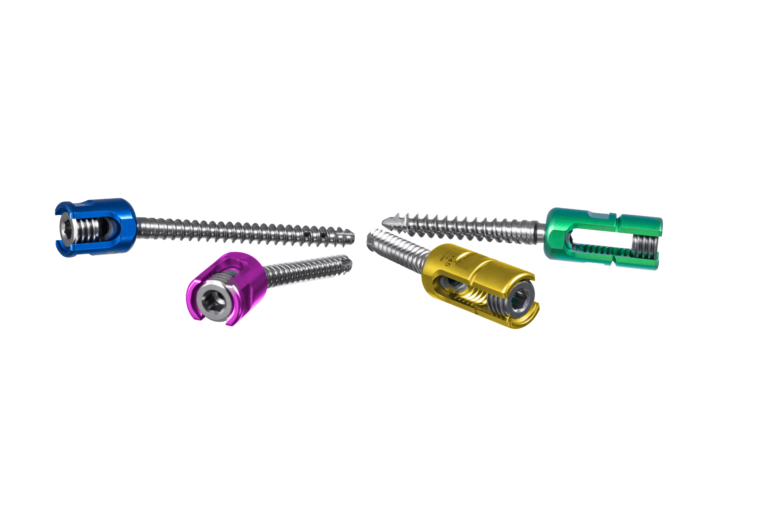
Sourcing Titanium Implants in 2026 requires more than comparing unit prices or reviewing polished supplier brochures. Buyers need to connect material specifications, manufacturing controls, and clinical requirements. A certificate alone is not enough. Ask for lot-level traceability, chemical composition, mechanical test results, and documented control of surface finishing. For a Ti-6Al-4V ELI component, verify that the grade and applicable specification match the device design and intended use. Details matter: a small mismatch in alloy condition or surface treatment can complicate qualification.
Professor Thomas Albrektsson is a recognized researcher in osseointegration. A practical paraphrase of his research is: “Implant performance depends on how the material and its surface interact with bone.” This is not a verbatim quotation; confirm any direct quotation against its original source before publication. For sourcing teams, the point is concrete. Request surface-process records, cleaning controls, and evidence that supplier changes are reviewed before implementation. Visit the production site when possible. Look closely at batch labels, inspection records, and how rejected parts are handled.
Then assess delivery capacity, communication, and change-control discipline. A supplier may offer an attractive lead time, yet lack the records needed for reliable qualification. That gap deserves attention. Ask who owns corrective actions and how quickly they provide evidence. Compare suppliers against the same documented criteria, and involve engineering, quality, and regulatory colleagues early. No checklist removes every risk. Still, clear specifications and verifiable records make sourcing decisions more defensible in 2026.

Before requesting quotes, write down the implant’s anatomical site, expected loading, service life, fixation method, and sterilization process. A small cranial plate and a load-bearing hip component do not share the same material brief. Specify product form, machining condition, surface finish, cleanliness, and required lot traceability. A familiar grade is not automatically the right grade.
For commercially pure titanium, ASTM F67 provides specifications for implant-grade material. For Ti-6Al-4V ELI, ASTM F136 sets chemistry and mechanical requirements. Its published requirements include minimum tensile strength of 860 MPa and minimum yield strength of 795 MPa for specified wrought conditions. These figures help screen supplier documents, but they do not replace verification of the exact product form and condition. Ask for material test reports linked to the supplied lot, plus evidence that processing and inspection match your drawing. Small details matter.
Tips: Put the grade, applicable ASTM specification, product form, and condition on the purchase document. Compare certificates against the specification, not just against a supplier’s summary. If surface treatment or a coating is involved, request separate process and inspection records. That extra check can feel tedious; skipping it is harder to defend.
How to Source Titanium Implants in 2026? Identify Qualified Manufacturers and Verify Their Credentials
Start with the implant’s intended use and material specification. For example, ASTM F136 covers wrought Ti-6Al-4V ELI alloy for surgical implants; other titanium grades require different evidence. Ask each manufacturer for its current ISO 13485 certificate, including the covered site and product scope. ISO’s 2023 Survey reported 38,068 ISO 13485 certificates worldwide. That figure shows broad adoption, not product quality. Verify the certificate with its issuing body, then check whether the relevant regulator has cleared or authorized the specific device for your market.
Request traceability down to the material heat and finished-device lot. Review material certificates, test methods, inspection records, sterilization validation, and packaging data. Compare samples against drawings and tolerances; a polished surface can hide a dimensional mismatch. Ask how the supplier controls subcontractors and reports process changes. I would not treat an audit checklist as a substitute for reviewing actual batch records. One gap can matter.
Tips: Confirm certificate scope, site, and expiry; independently verify credentials. Request a recent, redacted lot file and follow one lot from raw material to shipment. If answers are vague, pause. A certificate is a starting point, not proof that every implant meets specification.
A practical starting point for qualifying manufacturers is to check that lot-specific material test reports match the applicable implant-grade titanium specification.
Reading the chart: Bars show specified composition ranges or maximum limits by mass percentage for wrought Ti-6Al-4V ELI alloy under ASTM F136. Titanium makes up the balance. Confirm the current applicable standard edition and product form, and request traceable, lot-specific test reports. Also verify the manufacturer’s quality-system certificate scope (for example, ISO 13485) and applicable regulatory authorizations; registration alone does not mean a device is approved.
A titanium implant is only as dependable as the records behind its material and manufacture. Ask suppliers for the exact alloy specification, mill certificates, and lot-level links from raw stock to finished device. Verify that their quality system fits your market’s requirements, including applicable medical-device regulations and ISO 13485 controls. Certification helps, but it does not prove every implant is conforming. Check audit scope, open corrective actions, and change-control records.
The ISO Survey 2022 reported 34,804 valid ISO 13485 certificates across 117 countries and economies. That scale shows the standard’s broad adoption, not a guarantee of supplier performance. Request evidence for a real production lot: material chemistry, machining records, cleaning and sterilization documentation where applicable, and final inspection results. Confirm that nonconformities can be traced to affected lots and that records remain available throughout the required retention period. Small gaps matter.
Tips: Ask for a sample traceability pack before approval. Match its lot numbers across the certificate, inspection report, and shipment label. If a supplier cannot explain a mismatch clearly, pause qualification and investigate. Do not rely on polished brochures alone.
How to Source Titanium Implants in 2026?
Compare product documentation, pricing, and supply terms before judging a quotation. Request a current specification sheet, material documentation, dimensional tolerances, and inspection records for the exact implant configuration. Check that document revisions match the quoted product. Small mismatches can create costly delays. Ask how lot identification is maintained from production through delivery, and what records accompany each shipment. If a supplier answers vaguely, pause and clarify; a polished catalog is not proof of consistent production.
Compare the full landed cost, not just the unit price. Include minimum order quantities, packaging, freight, payment terms, and any charges for custom dimensions. Ask how long the quotation remains valid. A low price may matter less if lead times shift or orders arrive in partial lots. Put expected production windows, change notifications, acceptance criteria, and the process for handling nonconforming items in writing. Request realistic capacity information, then compare it with your forecast. A small buffer can help, but excess inventory ties up cash. There is no perfect forecast; review assumptions with the supplier and record what remains uncertain.
| Sourcing Route | Product Scope | Documentation to Request and Verify | Pricing Comparison | Supply Terms to Confirm | Best Fit and Main Consideration |
|---|---|---|---|---|---|
| Finished, sterile implants | Standard implant devices supplied sterile and ready for use, where applicable to the device and market. | Material and lot traceability; product specifications; sterilization method and relevant validation or release records; packaging and shelf-life information; applicable market authorization or conformity documentation. | Compare quoted price per usable unit. Check whether sterile packaging, instruments, shipping, duties, and minimum order quantities are included or charged separately. | Confirm available stock, lot allocation, expiry at delivery, replenishment time, minimum order, cancellation rules, and handling of shortages or recalls. | Useful when a validated, ready-to-use product is needed. Verify that the exact device and intended use are permitted in the destination market. |
| Standard, non-custom implant components | Catalog components or subassemblies made to defined dimensions and material specifications; supplied sterile or non-sterile depending on the order. | Drawing and revision control; inspection criteria; material certificate and batch traceability. For relevant wrought materials, specifications may reference ISO 5832-2, ISO 5832-3, or ASTM F136; confirm the precise grade and product applicability. | Compare unit price at the same quantity and specification. Separate costs for finishing, cleaning, inspection, sterilization, packaging, and any required documentation. | Ask for minimum order quantity, production lead time, approved substitutions policy, change-notification process, and reorder availability. | Suitable for repeatable requirements. Confirm that a material certificate and dimensional inspection records correspond to the delivered lot. |
| Patient-specific or custom implants | Implants designed or manufactured to an approved patient-specific plan, often requiring case-by-case review and controlled design files. | Design inputs and approved revision; material identification; manufacturing and inspection records; case-specific labeling and documentation; applicable regulatory pathway and clinical or technical review records. | Request a case-based quotation. Identify separate charges for engineering, imaging or file preparation, tooling, manufacturing, inspection, and expedited work. | Agree on design approval milestones, file-transfer security, manufacturing schedule, revision handling, delivery date, and contingency plans for rejected or changed designs. | Useful for anatomy-specific needs. Do not compare price or lead time without matching the design scope, approval steps, and delivery requirements. |
| Contract-manufactured implant parts | Machined or otherwise manufactured components produced to the purchaser’s controlled drawings and quality requirements. | Quality-system certificate and its scope; process controls; material and lot records; inspection results; nonconformance controls; and change-control agreements. ISO 13485 certification can support supplier assessment but does not, by itself, establish that a device is authorized for sale. | Compare tooling or setup charges, unit price by order volume, inspection level, scrap policy, packaging, and costs for engineering changes. | Specify ownership of tooling and production records, forecast commitments, capacity reservation, audit rights, change notice, and business-continuity arrangements. | Appropriate when the buyer controls the design and supplier qualification. Ensure responsibilities for product release and regulatory compliance are explicit. |
| Implant-grade titanium stock for qualified manufacturing | Raw or semi-finished titanium material intended for further processing into implant components; not a finished implant device. | Material grade and specification; mill test certificate; heat or lot identification; chemical and mechanical test results; and traceability through cutting and processing. | Compare price by form, grade, dimensions, quantity, certification package, yield, and freight. Do not compare raw-stock prices directly with finished-device prices. | Confirm stock availability, cut-to-size options, minimum order, certificate retention, transport conditions, and the supplier’s policy for material substitutions. | Best for qualified manufacturers with controlled downstream processing. The material certificate alone does not qualify the finished implant. |
Pricing and lead times are supplier- and specification-dependent; obtain written quotations using the same quantity, material grade, documentation package, delivery location, and acceptance criteria. Confirm applicable regulatory requirements for the intended market before placing an order.
Sourcing titanium implants in 2026 starts with a clear purchasing plan. Specify the alloy, dimensions, surface finish, packaging, and required documentation before requesting quotes. A drawing should identify critical tolerances, not just the overall shape. Ask suppliers how they maintain lot traceability and manage material changes. Small details matter.
Set order quantities around verified demand and realistic lead times. Keep a buffer for approved inspection or production delays, but avoid stock that may become obsolete. Agree on acceptance criteria before shipment, including checks for dimensions, surface defects, packaging integrity, and material records. For example, compare a sample implant’s measured features with the drawing, then record the results against its lot number. Keep records current.
Inspection should reflect product risk and supplier history. Review material certificates and inspection reports, and investigate missing or inconsistent data before accepting a shipment. A document can look complete and still fail to answer a practical question. That gap matters. Maintain supplier monitoring after approval: track delivery performance, nonconformances, corrective actions, and changes to equipment, processes, or subcontractors. Periodic reviews can reveal recurring problems that a single incoming check misses. Be honest about weak signals; one late order may mean little, while repeated unexplained changes deserve closer review. Reassess inspection frequency when evidence changes, and document why.